Why Network Identity Matters for Cloud, Hosting, and Telecom Providers
Introduction
Cloud, hosting, and telecom providers do more than deliver connectivity. They provide the infrastructure layer that businesses, applications, users, and digital services depend on every day.
Behind that infrastructure is a concept that is becoming increasingly important: network identity.
Network identity is the way a network is recognized, trusted, and verified across the internet. It includes IP addresses, Autonomous System Numbers, routing information, registry records, reputation, and operational history. For providers, this identity is not just a technical detail. It directly affects service reliability, customer trust, routing stability, compliance, security, and long-term business continuity.
As more enterprises move into cloud, hybrid cloud, edge computing, and multi-provider environments, stable network identity is becoming a core infrastructure requirement. For cloud, hosting, and telecom providers, understanding and protecting network identity is now part of responsible infrastructure management.
What Network Identity Means for Providers
For a regular user, an IP address may look like a simple number. For a provider, it is much more than that.
A provider’s network identity is formed by several connected elements:
IP address ranges used to serve customers
ASNs used to announce routes
BGP routing behavior
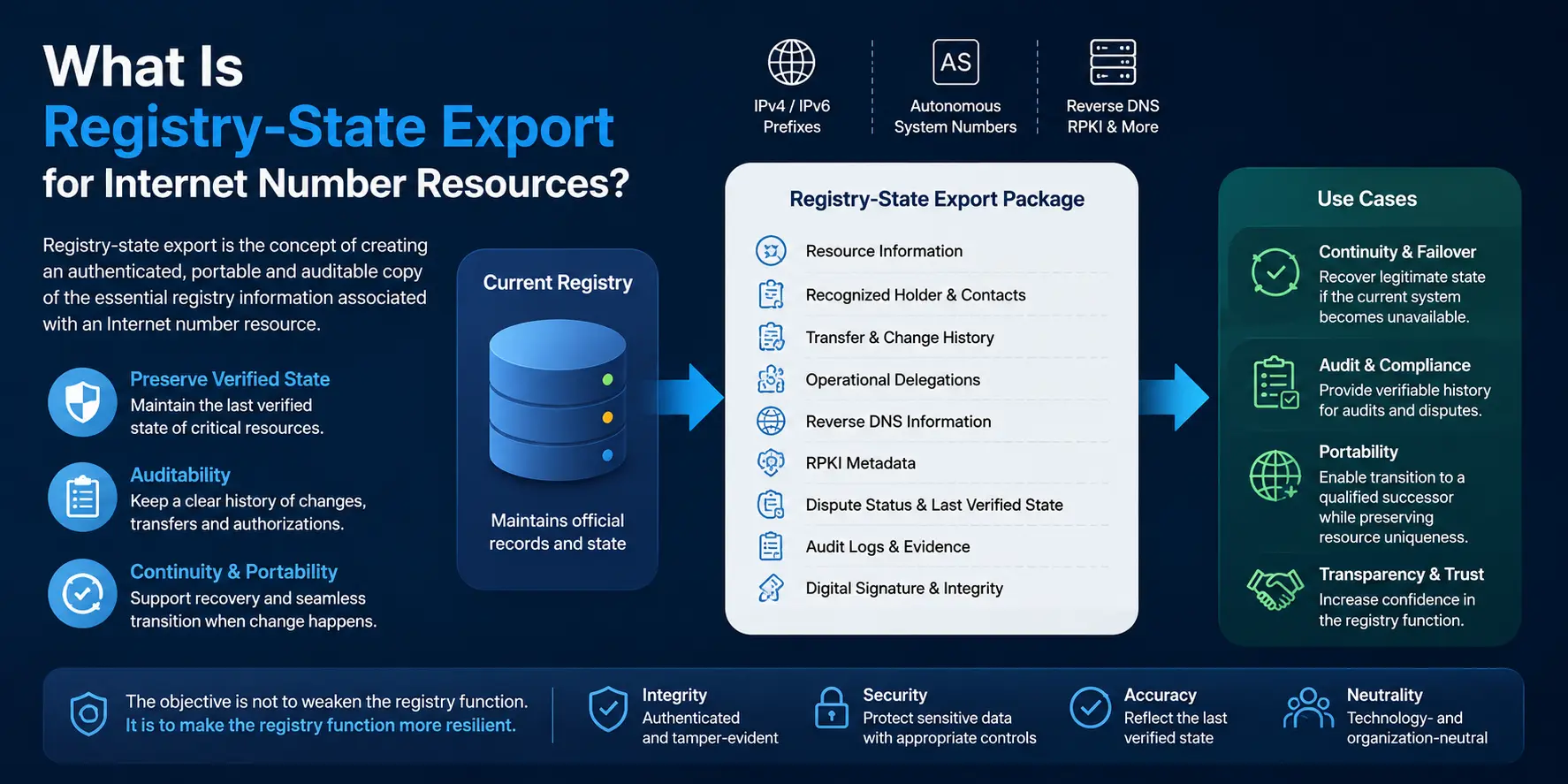
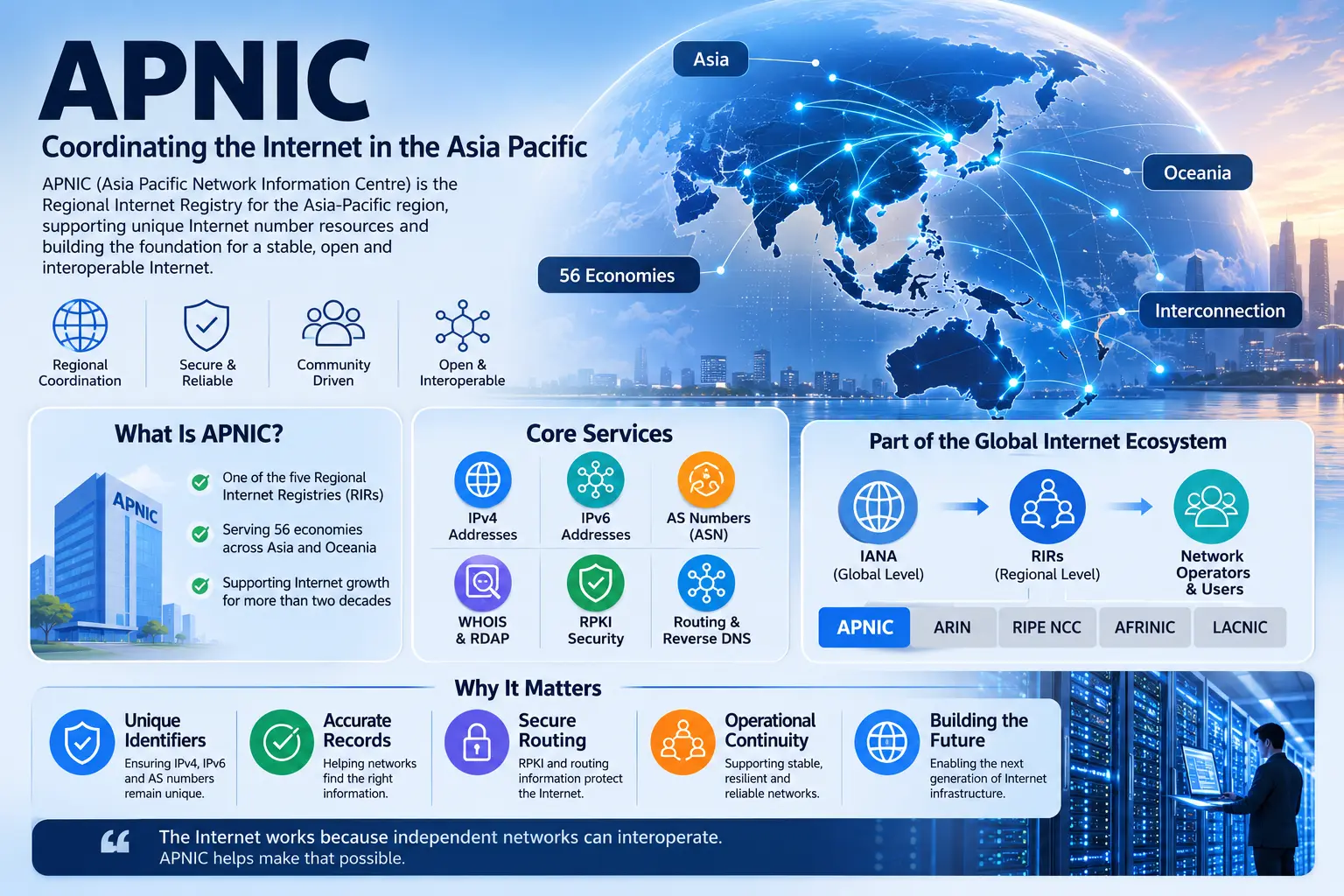
Registry and WHOIS records
Abuse handling practices
IP address reputation
Historical operational behavior
Security and compliance posture
Together, these elements tell the rest of the internet: who operates this network, what resources it controls, and whether other networks can trust it.
This matters because the internet is built on cooperation between networks. Cloud platforms, data centers, hosting companies, internet service providers, content delivery networks, security platforms, and telecom operators must constantly exchange routing and trust signals. A weak or unstable network identity can create friction across all of these relationships.
Why Cloud Providers Should Care
Cloud providers operate in highly dynamic environments. Servers are created, moved, scaled, and removed constantly. Customers expect flexibility, but external systems often expect stability.
This creates a challenge.
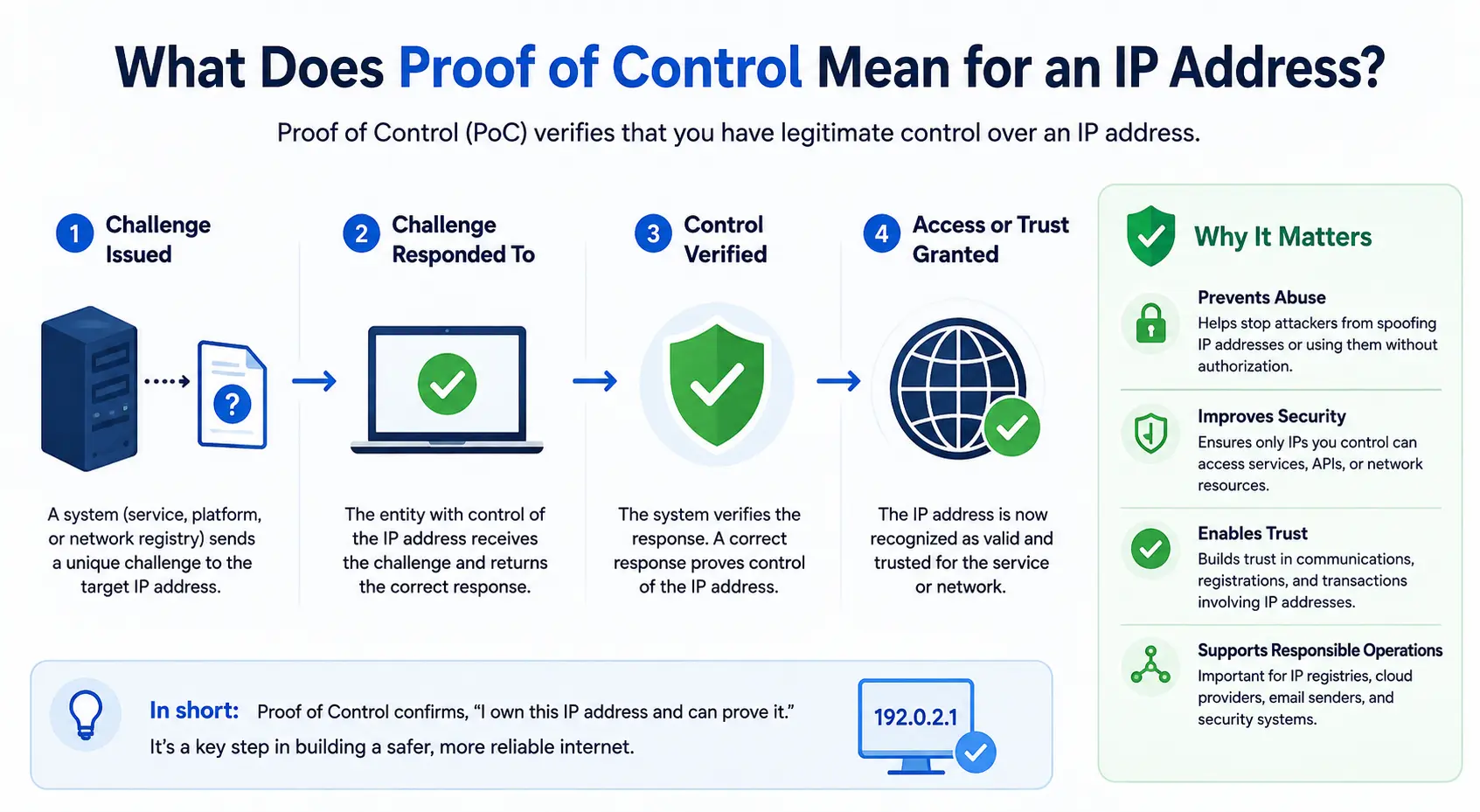
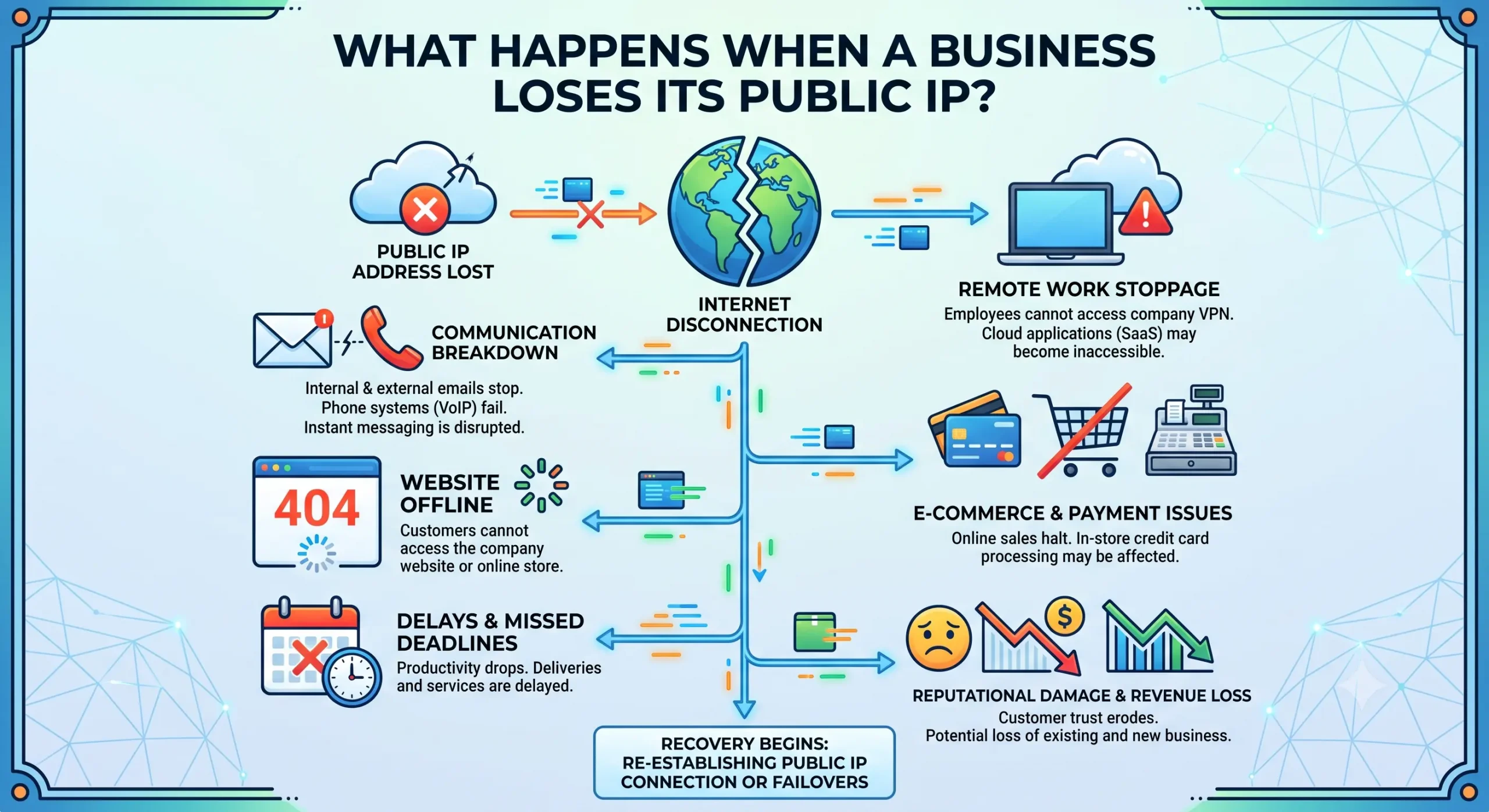
Many enterprise customers rely on stable public IP addresses for security policies, partner allowlists, API integrations, payment platforms, compliance systems, and traffic monitoring. If these IP addresses change unexpectedly, customers may face failed connections, blocked access, broken integrations, or security alerts.
For cloud providers, network identity matters because it supports:
Customer continuity
A customer may migrate workloads, expand regions, or redesign architecture, but their external trust relationships often remain tied to known IP addresses. When cloud infrastructure changes but network identity does not remain stable, customer operations may be disrupted.
This is why solutions such as LARUS One are increasingly relevant to modern infrastructure. They reflect the idea that network identity should be treated as a persistent layer, not a disposable byproduct of cloud deployment.
Multi-cloud and hybrid cloud strategy
Many enterprises now use more than one cloud provider. They may also combine cloud environments with private data centers, SaaS platforms, and edge locations. In these environments, consistent network identity helps reduce complexity.
Without a stable identity layer, each migration or architecture change can create new allowlist updates, compliance reviews, routing adjustments, and security exceptions.
Security and trust
Cloud providers often host many different customers on shared or distributed infrastructure. If IP reputation is poorly managed, one customer’s misuse can affect others. Poor IP history, abuse reports, spam activity, or unclear ownership can reduce trust in the provider’s address space.
Strong network identity helps cloud providers show that their infrastructure is accountable, traceable, and responsibly managed.
Why Hosting Providers Should Care
Hosting providers depend heavily on IP address reputation and routing reliability. Their customers may run websites, applications, email systems, e-commerce platforms, APIs, VPN services, or enterprise tools. In many cases, service quality depends on how the provider’s network identity is perceived by others.
IP reputation affects customer experience
If a hosting provider assigns IP addresses with poor reputation, customers may experience immediate problems. Emails may land in spam. Websites may be blocked by security filters. Login attempts may be flagged. API calls may fail. Search engines, payment systems, and cybersecurity tools may treat traffic with suspicion.
From the customer’s perspective, the hosting service appears unreliable. From the provider’s perspective, the root issue is often network identity.
Stable identity improves retention
Hosting customers value reliability. If they must frequently change IP addresses, update DNS records, reconfigure firewalls, or explain access issues to their own users, they may lose confidence in the provider.
A stable and well-managed network identity helps hosting providers reduce customer friction. It allows customers to build trust relationships around known infrastructure and keep those relationships intact over time.
Abuse management becomes part of identity
Hosting providers are often exposed to abuse risks because they serve many different users. Spam, phishing, malware hosting, scanning, and bot activity can damage the reputation of IP blocks and ASNs.
Strong abuse response is therefore not only a security function. It is part of maintaining network identity. Providers that respond quickly, keep records accurate, and enforce responsible usage protect both their infrastructure and their customers.
Why Telecom Providers Should Care
Telecom providers sit close to the foundation of the internet. They operate large networks, connect regions, support mobile and fixed access, provide enterprise connectivity, and exchange traffic with many other networks.
For telecom operators, network identity matters at both technical and strategic levels.
Routing trust is essential
Telecom providers depend on accurate routing information. If routes are misconfigured, hijacked, leaked, or poorly authenticated, the impact can spread quickly. Traffic may be misdirected, services may become unreachable, and customers may experience degraded connectivity.
A clear network identity helps other operators understand which routes are legitimate and who is responsible for them.
Enterprise customers expect accountability
Many telecom providers serve banks, governments, multinational enterprises, healthcare systems, logistics platforms, and critical infrastructure operators. These customers often need clear accountability for connectivity, security, and operational continuity.
Accurate registry records, stable IP resources, strong routing practices, and trusted operational history help telecom providers meet these expectations.
Network identity supports digital sovereignty discussions
Telecom infrastructure is increasingly part of national and regional policy discussions. Connectivity, routing, address resources, and infrastructure governance are no longer treated as purely technical issues. They are connected to resilience, competition, cybersecurity, and digital sovereignty.
For telecom providers, network identity is therefore also a governance issue. It shapes how networks participate in the global internet and how they are trusted by customers, regulators, peers, and institutions.
The Business Risk of Weak Network Identity
Weak network identity creates hidden risks. These risks may not appear as a full outage, but they can quietly affect operations.
Examples include:
Partner APIs rejecting traffic from changed IP addresses
Enterprise firewalls blocking unfamiliar network origins
Email systems filtering messages from poor-reputation IPs
Compliance teams questioning unclear registry records
Customers losing service continuity during migration
Routes being rejected due to weak routing security
Support teams spending more time resolving access issues
Providers losing customer trust because of recurring disruptions
This is why network identity is increasingly discussed beyond engineering teams. As explained in Why Network Identity Is Becoming a Board-Level Infrastructure Concern, network identity now affects revenue continuity, operational resilience, migration risk, and enterprise trust.
For providers, this means network identity should be managed as a strategic infrastructure asset.
Network Identity and Cloud Migration
Cloud migration is often discussed in terms of cost, performance, scalability, and flexibility. But many migration projects also create identity risk.
When a customer moves workloads from one environment to another, the infrastructure may change. However, external systems may still trust the old network identity. This creates a mismatch between technical flexibility and business continuity.
For example:
A payment provider may only accept traffic from approved IP addresses.
A SaaS partner may require known source IPs.
A government system may validate network origins.
A security team may monitor traffic based on established baselines.
A compliance process may document specific network ranges.
If migration changes the network identity without proper planning, the customer may face avoidable disruption.
Cloud, hosting, and telecom providers that understand this risk can offer more valuable services. Instead of simply providing connectivity or compute, they can help customers preserve trust relationships across infrastructure changes.
Network Identity and IP Address Scarcity
IPv4 scarcity makes network identity even more important.
Because IPv4 addresses are limited, many providers lease, transfer, reuse, or acquire address space from different sources. This creates operational flexibility, but it also introduces risk. Not all IP space has the same history, reputation, or governance profile.
Before using IP resources, providers need to consider:
Who previously used the addresses?
Are the registry records accurate?
Is the route origin legitimate?
Does the block have abuse history?
Is it listed on major reputation databases?
Are there unresolved disputes or control gaps?
Can the provider maintain long-term continuity?
In a scarce IPv4 environment, the value of an IP address is not only its technical usability. Its value also depends on whether it can support a trusted and stable network identity.
Best Practices for Providers
Cloud, hosting, and telecom providers can strengthen network identity by treating it as a managed discipline rather than an afterthought.
Important practices include:
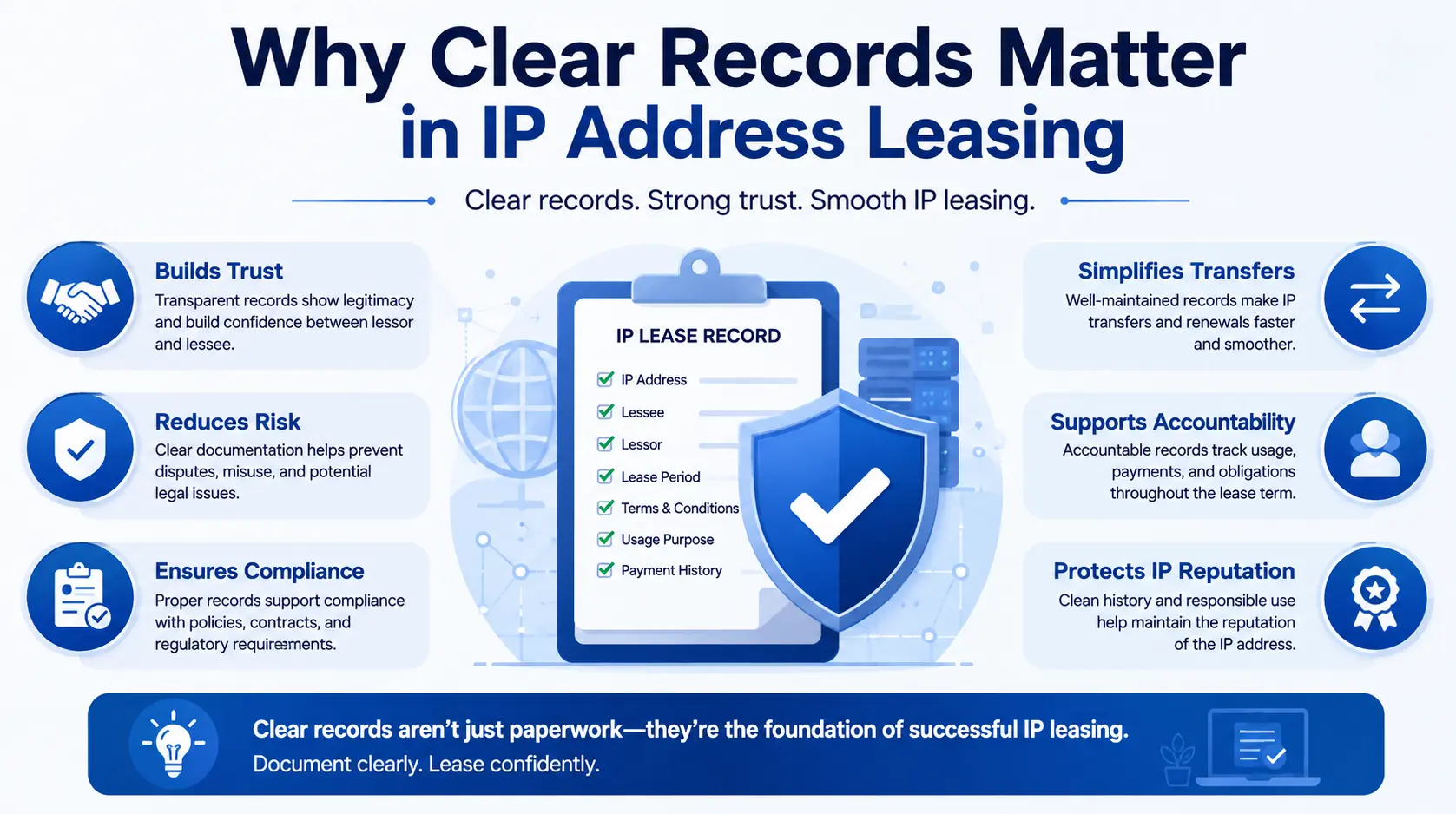
1. Maintain accurate registry records
Registry data should clearly show responsible parties, operational contacts, abuse contacts, and resource status. Inaccurate records weaken trust and slow incident response.
2. Monitor IP reputation
Providers should regularly monitor IP ranges for blacklisting, abuse reports, spam activity, malware associations, and suspicious behavior. Reputation problems should be addressed before they affect customers.
3. Strengthen routing security
Route filtering, RPKI, proper route object management, and careful BGP monitoring help protect routing identity. These practices reduce the risk of route leaks, hijacks, and misconfigurations.
4. Plan for customer continuity
Providers should understand which customers depend on stable IP addresses and network origins. Migration, renumbering, or infrastructure redesign should include continuity planning.
5. Treat IP resources as governed assets
IP addresses should not be managed only as inventory. They should be tracked as operational, reputational, and governance-sensitive assets.
6. Build transparent abuse handling
Clear abuse processes protect provider reputation. Fast response, proper documentation, and responsible enforcement help maintain trust with peers, customers, and security communities.
7. Educate customers
Many customers do not understand how much their business depends on network identity. Providers can create value by helping customers understand IP continuity, routing trust, allowlists, and migration risk.
The Strategic Opportunity
Network identity is not only a risk. It is also an opportunity.
Providers that manage network identity well can differentiate themselves in a crowded infrastructure market. They can offer customers stronger continuity, cleaner IP resources, better routing trust, clearer governance, and more reliable migration support.
This is especially important as customers become more sophisticated. Enterprises increasingly want infrastructure partners that understand compliance, resilience, reputation, and long-term operational stability.
For cloud providers, this means helping customers scale without losing trusted network origins.
For hosting providers, it means protecting customer reputation and service reliability.
For telecom providers, it means strengthening routing trust, governance accountability, and infrastructure resilience.
In all three cases, network identity becomes part of the provider’s value proposition.
Conclusion
Network identity is becoming one of the most important infrastructure concepts for cloud, hosting, and telecom providers.
It connects IP addresses, ASNs, routing records, registry information, reputation, security, and operational behavior into a single trust layer. When that trust layer is stable, customers can migrate, scale, connect, and operate with confidence. When it is weak, providers face disruption, support burden, reputation damage, and customer dissatisfaction.
As digital infrastructure becomes more distributed, dynamic, and business-critical, providers can no longer treat network identity as a background technical issue. It is a foundation for continuity, trust, and responsible internet operations.
For cloud, hosting, and telecom providers, the future of infrastructure will not only be measured by speed, capacity, or price. It will also be measured by the strength and stability of the network identity behind it.
FAQs
Network identity is the way a network is recognized and trusted on the internet. It includes IP addresses, ASNs, routing information, registry records, IP reputation, security practices, and operational history.
Cloud providers need stable network identity because customers often rely on fixed IP addresses, allowlists, API trust, compliance records, and security policies. If cloud infrastructure changes without identity continuity, customer operations may be disrupted.
Hosting providers depend heavily on IP reputation, routing reliability, and abuse management. Poor network identity can cause customer emails to be blocked, websites to be filtered, and services to lose trust.
Telecom providers rely on routing trust, accurate registry records, and strong operational accountability. Their network identity affects connectivity, enterprise trust, cybersecurity, and infrastructure governance.
Yes. An IP address is one of the most visible parts of network identity. It can act as a trust signal for partners, platforms, firewalls, APIs, security systems, and compliance processes.