Why Network Identity Is Becoming a Board-Level Infrastructure Concern
For years, enterprise infrastructure decisions were delegated deep into engineering teams—handled as operational details of cloud architecture, networking, or security. IP addresses, routing policies, and egress design lived comfortably “below the board radar.”
That era is ending.
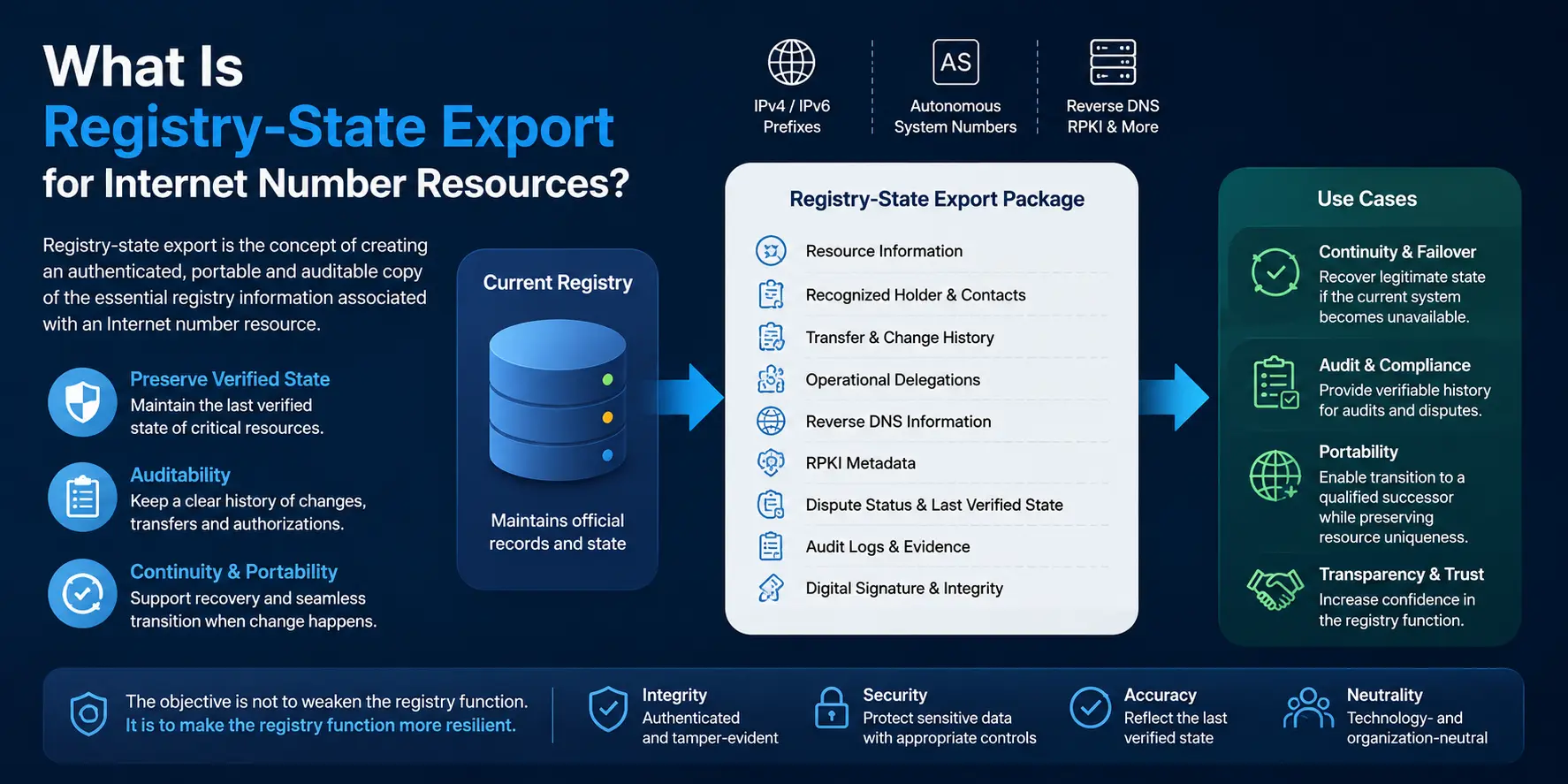
As digital business models increasingly depend on stable external connectivity, network identity is emerging as a strategic business asset, not just a technical configuration. In the same way that domains became corporate identity anchors two decades ago, public network identity is becoming the next layer of enterprise continuity—and risk.
Solutions such as LARUS’s ONE Network Identity reflect this shift LARUS ONE Partnership Framework: treating IP-based infrastructure not as transient resources, but as persistent identity constructs tied directly to business operations.
LARUS anchors the identity. The continuity layer is LARUS One. – Heng.lu, Note:68 On LARUS One — The Economics of Network Identity, Customer Continuity, and Provider Revenue
From Infrastructure to Identity: A Structural Shift
Traditional networking assumes that IP addresses are interchangeable. Cloud-first architecture reinforced this idea: spin up, scale out, and let infrastructure be disposable.
But modern enterprises increasingly rely on external systems that do not treat IPs as disposable:
- SaaS allowlists tied to static IPs
- Banking and financial integrations with strict source validation
- Zero Trust security policies anchored on known network origins
- API ecosystems requiring stable egress identities
- Compliance frameworks that audit network-level provenance
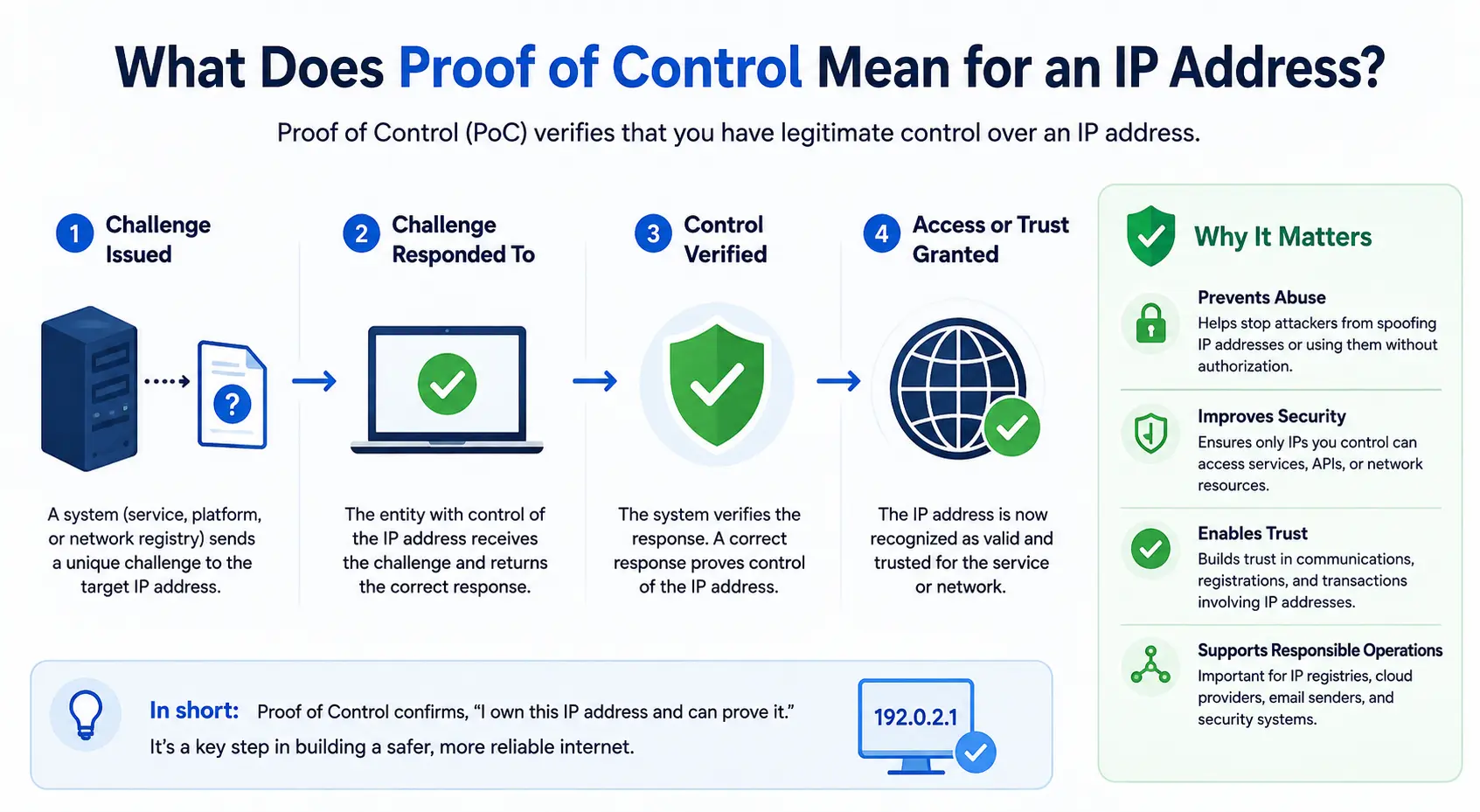
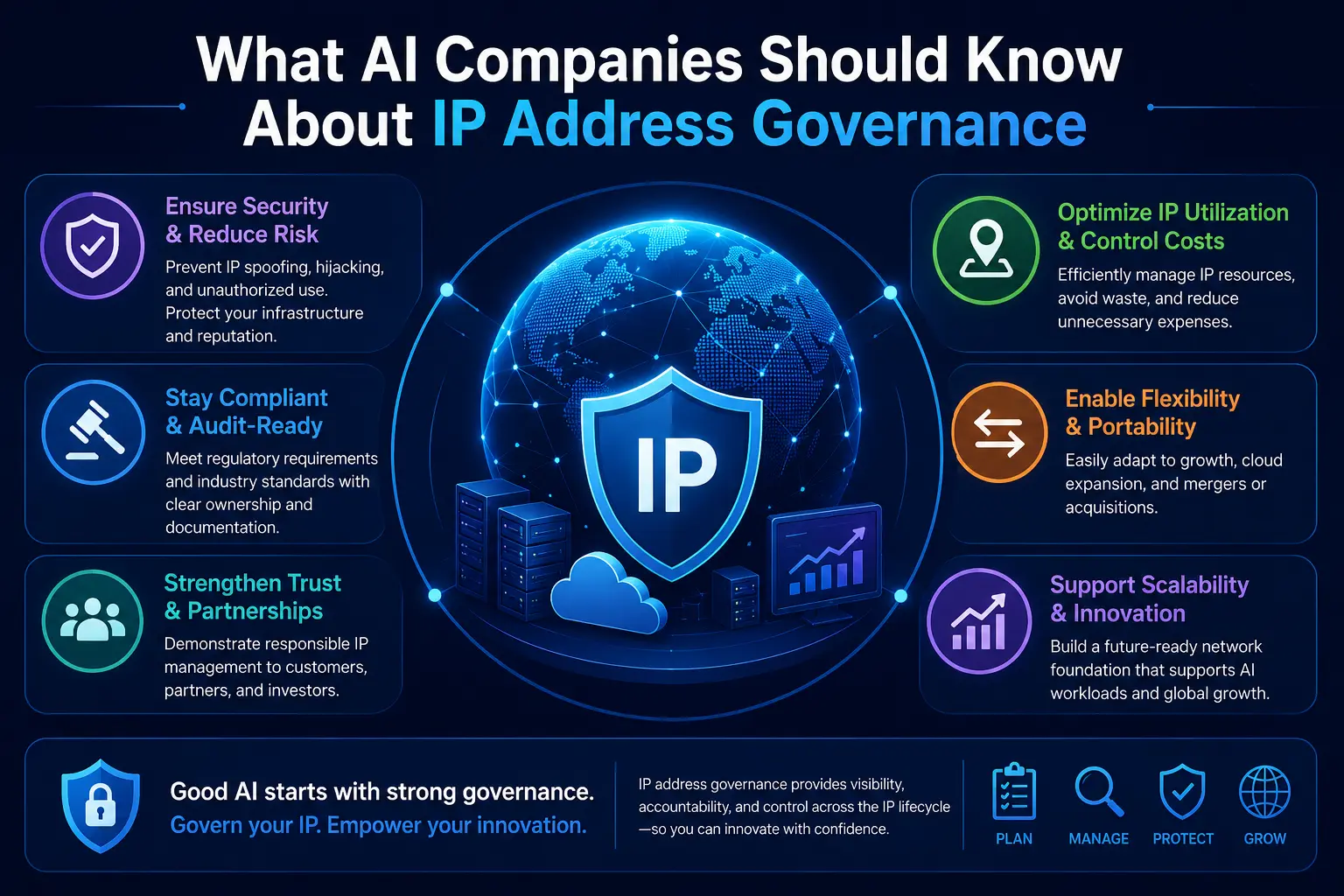
In this environment, IP addresses stop being “just networking.” They become identity signals.
This is the core idea behind LARUS ONE: public network identity as a persistent, governed layer spanning people, services, cloud environments, and edge locations.
Why This Is No Longer an IT Problem
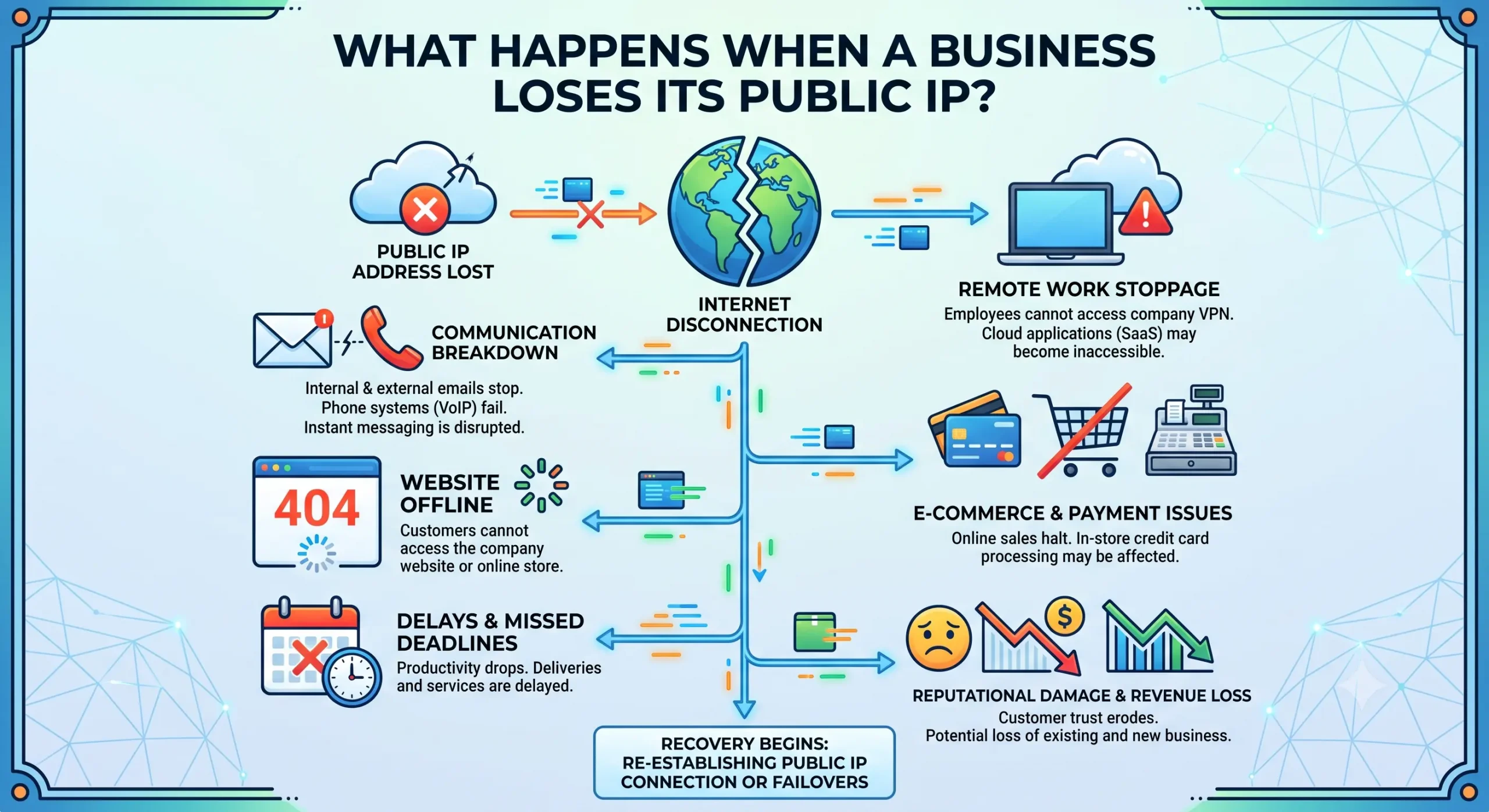
When IP-based identity breaks, the impact is rarely contained within infrastructure teams.
It shows up as:
- Failed partner API connections after cloud migration
- Broken enterprise allowlists during ISP or region changes
- Unexpected downtime due to IP reputation shifts
- Security incidents caused by ambiguous egress sources
- Audit friction in regulated environments
Each of these translates into business disruption, not technical inconvenience.
This is why network identity is moving upward—from network engineering → security architecture → enterprise risk → board-level oversight.
Because at scale, identity instability becomes operational instability.
The Hidden Risk: Renumbering the Business
One of the least visible but most expensive risks in modern infrastructure is renumbering—changing public IP space across environments.
Renumbering affects:
- Customer trust systems
- Partner integrations
- Security allowlists
- Observability baselines
- Compliance documentation
Even cloud migration projects, often framed as cost optimization, can quietly trigger identity fragmentation.
LARUS ONE frames this as a structural flaw: enterprises are building on infrastructure that is expected to move, while external systems assume it will not.
The mismatch creates continuous operational debt.
Network Identity as a Business Continuity Layer
The key shift is conceptual:
Infrastructure is not just compute and connectivity. It is also identity continuity.
LARUS ONE proposes a model where network identity is explicitly designed and mapped across:
- People (privileged users, access pathways)
- Servers (production workloads)
- Services (APIs, integrations)
- Locations (offices, clouds, edge environments)
This creates a stable identity layer that persists even when underlying infrastructure changes.
In enterprise terms, this is equivalent to:
- DNS stabilizing naming
- IAM stabilizing access
- Network identity stabilizing external trust boundaries
Why Boards Should Care Now
Network identity is becoming a board-level issue for three reasons:
1. It directly affects revenue continuity
Broken integrations = failed transactions, failed services, failed customers.
2. It creates systemic migration risk
Cloud transformation programs depend on stable external trust assumptions.
3. It introduces invisible operational fragility
Unlike outages, identity breakage is often partial, silent, and hard to detect early.
In other words, it is not a failure event—it is a failure surface.
The Strategic Implication
The next evolution of enterprise infrastructure governance will not only ask:
- Are we secure?
- Are we scalable?
- Are we cost-efficient?
It will also ask:
Do we have a stable, portable, and governed network identity layer across all environments?
Organizations that cannot answer this will increasingly face friction in:
- Cloud mobility
- Partner onboarding
- Compliance audits
- Multi-cloud strategy execution
Conclusion
The internet was built on addresses. Enterprises were built on systems.
But modern digital business is increasingly built on trust relationships tied to network identity.
As infrastructure becomes more fluid, identity must become more stable.
That is why network identity is no longer an engineering detail—it is becoming an architectural assumption at the highest level of enterprise design.
And why, quietly but decisively, it is becoming a board-level concern.
FAQs
Network identity refers to the persistent identification of systems, services, users, and locations based on their network characteristics—such as IP addresses and egress paths—that external systems use to establish trust and access policies.
Because many external systems (such as SaaS allowlists, APIs, and financial platforms) rely on stable IP addresses to verify and trust traffic sources. This makes IPs a continuity signal, not just a routing mechanism.
Changes such as IP renumbering or cloud migration can disrupt integrations, break allowlists, trigger security flags, or cause compliance issues—often resulting in business service disruption rather than purely technical downtime.
Because it directly affects revenue continuity, operational stability, and risk exposure. Identity instability can silently disrupt customer transactions, partner systems, and compliance posture across the enterprise.
In cloud and multi-cloud setups, infrastructure is dynamic and frequently changes. Without a stable identity layer, each change can unintentionally break external trust relationships that depend on consistent network origins.