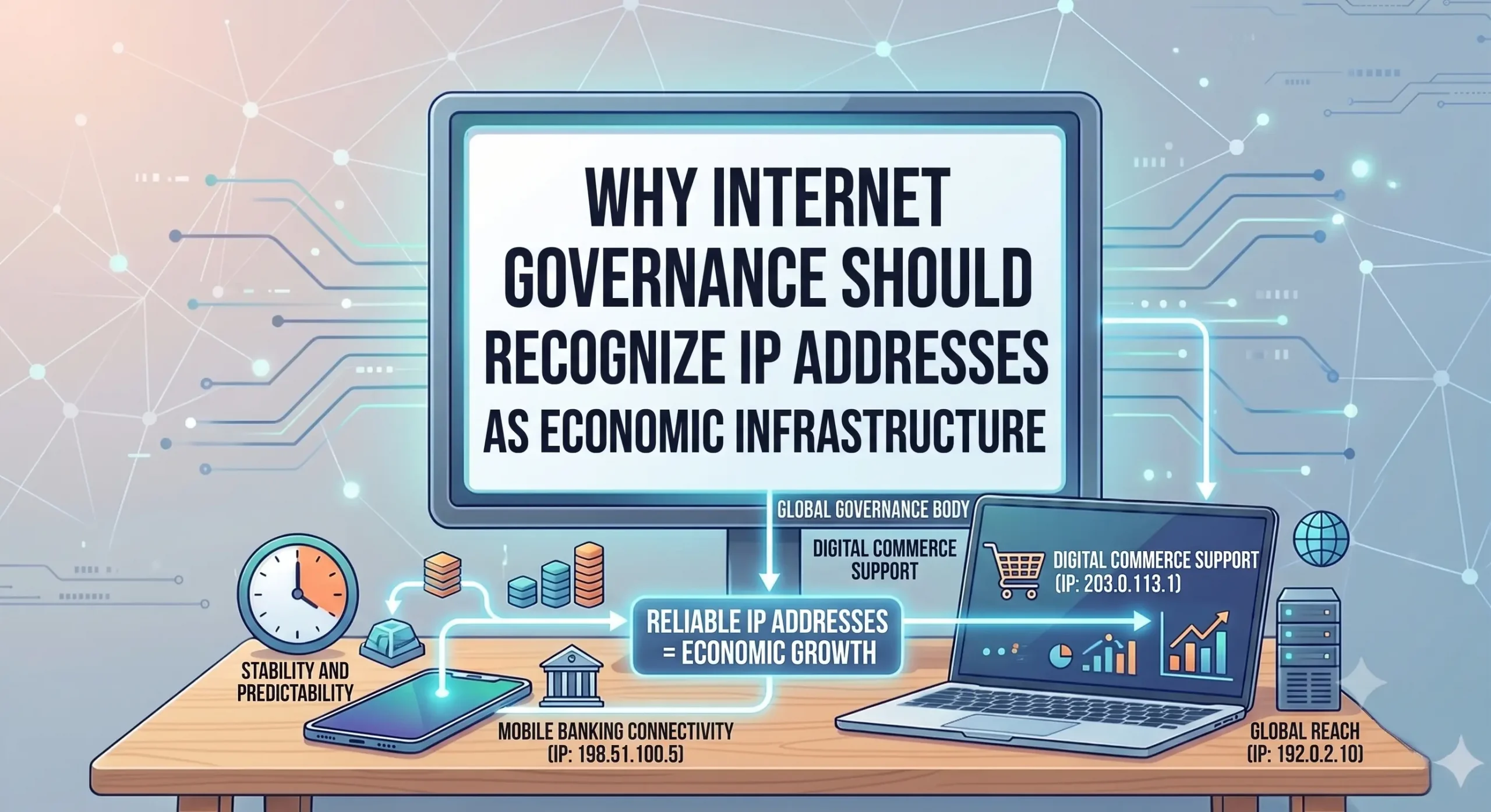
Why Internet Governance Should Recognize IP Addresses as Economic Infrastructure
Digital infrastructure is usually discussed in terms of fiber-optic cables, cloud platforms, data centers, mobile networks, satellites, cybersecurity systems, and edge computing. These are all essential parts of the modern internet economy. However, one of the most important foundations of connectivity is often overlooked: the IP address.
Every website, API, payment system, cloud server, enterprise network, SaaS platform, connected device, and digital public service depends on IP addresses to function. IP addresses allow networks to identify endpoints, route traffic, and make services reachable across the global internet.
For many years, IP addresses were treated mainly as technical identifiers. They were allocated, routed, documented, and managed by engineers and internet number resource institutions. But the internet economy has changed.
IPv4 scarcity, cloud migration, cybersecurity requirements, partner allowlists, compliance obligations, and the long transition to IPv6 have made IP addresses more than technical resources. For many organizations, public IP addresses have become part of how the business is recognized, trusted, and reached online.
In other words, IP addresses are economic infrastructure.
Internet governance should recognize them as such.
What Are IP Addresses?
An Internet Protocol address, or IP address, is a unique numerical label used to identify a device, server, router, service, or network interface on the internet. It works like a digital location marker, helping data move from one point to another.
There are two main versions of IP addresses: IPv4 and IPv6.
IPv4 is the older version of internet addressing. It uses a 32-bit address space and supports around 4.3 billion unique addresses. In the early years of the internet, that seemed like a large enough number. Today, it is limited for a world of billions of users, devices, websites, cloud workloads, applications, and connected systems.
IPv6 is the newer version. It uses a much larger 128-bit address space and was designed to support the long-term growth of the internet.
In theory, IPv6 solves the address scarcity problem. In practice, IPv4 still plays a major role in today’s internet. Many companies, telecom operators, hosting providers, cloud platforms, enterprise networks, and government systems continue to rely on IPv4 because of legacy applications, customer requirements, partner integrations, and uneven IPv6 adoption across regions.
This creates a long transition period where IPv4 remains valuable, IPv6 is essential, and IP address governance directly affects the cost, reliability, and competitiveness of digital infrastructure.
Why IP Addresses Are Economic Infrastructure
Infrastructure is not only physical. Roads, ports, power grids, payment networks, telecom systems, and logistics platforms are considered infrastructure because they enable economic activity.
IP addresses perform the same role in the digital economy.
They allow businesses to host services, cloud providers to deliver workloads, internet service providers to connect users, governments to operate digital systems, and cybersecurity teams to monitor and respond to threats.
Without IP addresses, there is no scalable internet connectivity. Without scalable connectivity, there is no modern digital economy.
That is why IP addresses should be recognized as economic infrastructure. Their value does not come only from the numbers themselves. Their value comes from what they make possible: reachability, interoperability, accountability, continuity, security, and digital growth.
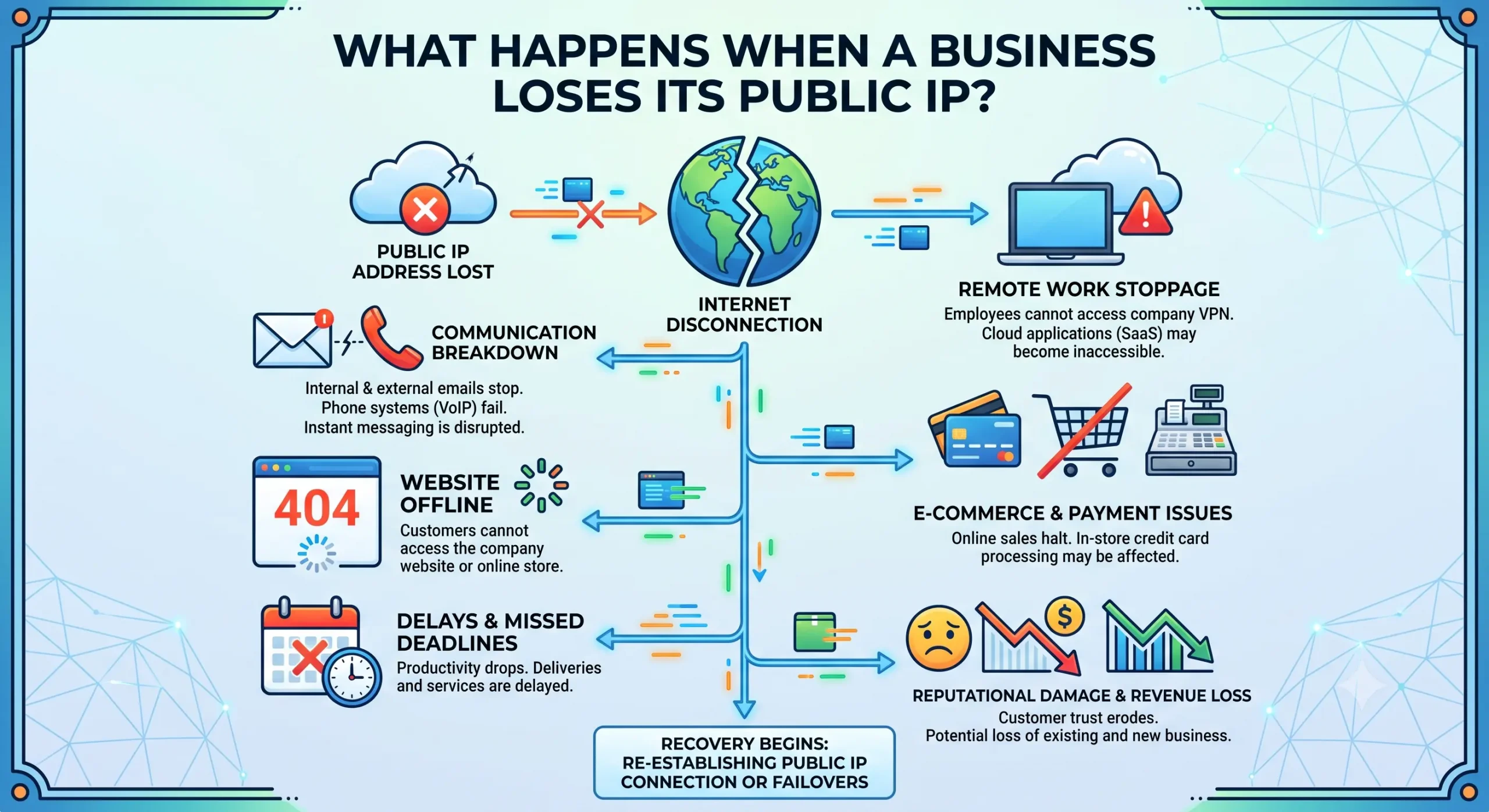
A company may not think about IP addresses every day, but its customers, partners, vendors, regulators, and security systems may already trust its public IP identity. In many cases, changing those addresses can cause operational disruption, customer rework, broken allowlists, audit friction, migration risk, and service downtime.
This is where IP addresses become more than addresses.
They become public network identity.
From IP Address to Public Network Identity
One of the strongest arguments for treating IP addresses as economic infrastructure is that some IP addresses become part of how a business is recognized online.
Not every IP address has the same strategic value. Some addresses are temporary, interchangeable, or used for low-risk workloads. But other IP addresses are deeply embedded in business operations.
They may be used by:
Production workloads
Enterprise egress traffic
APIs and partner-facing services
Customer allowlists
Payment systems
Regulated integrations
Security platforms
Cloud services
Offices, data centers, and edge locations
Privileged users and critical teams
When customers, suppliers, banks, security systems, and external platforms trust a company’s public IPs, those addresses become part of the company’s public network identity.
This is the core idea behind LARUS One, which positions stable public IP identity around the employees, servers, services, clouds, offices, APIs, and critical locations a business cannot easily renumber. The concept is simple but important: if a company’s domain name is portable, its public network identity should also be portable.
Lu Heng expands on this idea in “On LARUS One — The Economics of Network Identity, Customer Continuity, and Provider Revenue”. The article explains that the higher-value layer is not simply IPv4 scarcity, but identity continuity. Once customers, banks, suppliers, security teams, and compliance processes depend on an address, changing that address is no longer just a network operation. It becomes a business continuity event.
That framing matters for internet governance. It shows that IP addresses are not only routing tools. For many organizations, they are part of business identity, trust, continuity, and resilience.
Why Provider Independence Matters
In many environments, public IP addresses are assigned by an ISP, cloud provider, CDN, data center, SASE platform, or security vendor. This may work for ordinary use cases, but it can create dependency when business-critical services become tied to provider-assigned addresses.
If a company changes cloud providers, moves data centers, changes network architecture, or redesigns its security stack, changing IP addresses can create serious disruption. Customers may need to update allowlists. Partners may need to reconfigure access. Security teams may need to revise firewall rules. Auditors may need new documentation. Applications may fail if dependencies were built around old addresses.
This is why provider-independent public network identity matters.
A provider-independent IP strategy allows organizations to separate business identity from temporary infrastructure assignments. It supports portability across cloud, ISP, data center, CDN, SASE, and managed network environments.
For businesses that cannot afford renumbering disruption, IP address continuity becomes a strategic infrastructure issue.
Internet governance should recognize that public IP identity is part of digital continuity. The more businesses depend on stable public identity, the more important it becomes to govern address resources with transparency, accountability, and long-term reliability.
IPv4 Scarcity Has Changed the Economics of the Internet
The strongest economic reason to recognize IP addresses as infrastructure is IPv4 scarcity.
The supply of IPv4 addresses is limited, while demand for internet connectivity continues to grow. As businesses move online and more services depend on cloud infrastructure, IPv4 addresses have become scarce operational resources.
Organizations that need IPv4 addresses may have to buy them, lease them, conserve them through network address translation, or accelerate IPv6 deployment. Each option has economic consequences.
Buying IPv4 addresses can increase capital expenditure. Leasing IPv4 addresses can create recurring operating costs. Carrier-grade NAT can reduce address pressure but may introduce operational complexity. IPv6 deployment is the long-term path forward, but it requires planning, investment, training, vendor support, and customer readiness.
IPv4 scarcity has also created a secondary market where address blocks can be transferred, leased, brokered, and valued as strategic digital assets.
A useful discussion of this trend appears in BTW Media’s article, “Why IPv4 Scarcity Transforms IPs into Investable Assets”. The article explains how limited IPv4 supply has shifted IP addresses from overlooked technical resources into assets with financial, operational, and investment significance.
This is exactly why internet governance needs a broader framework. IP addresses are no longer only about technical allocation. They affect business strategy, market access, infrastructure planning, and digital competitiveness.
IP Leasing Shows the Market Value of Address Resources
The rise of IP leasing is another sign that IP addresses have become economic infrastructure.
In a world where IPv4 addresses are scarce, not every organization wants to buy address blocks outright. Some companies need flexible IPv4 capacity for hosting, cloud expansion, network growth, application deployment, or production workloads. Leasing can provide access to address space without requiring a large upfront acquisition.
This has made IP leasing an important part of the internet infrastructure market.
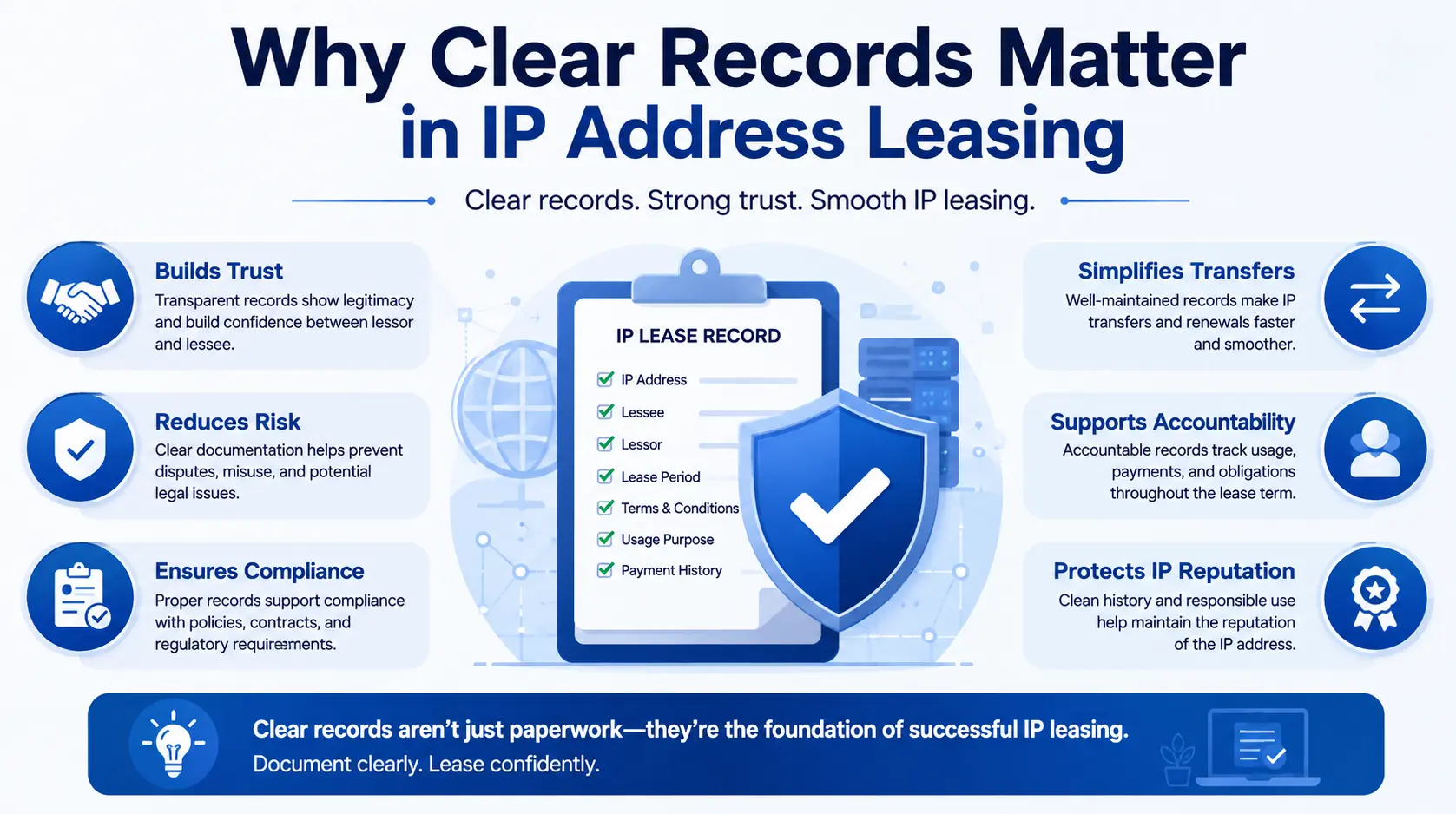
Providers that offer IPv4 leasing help organizations obtain address capacity while managing operational concerns such as routing, renewal, reverse DNS, reputation, abuse handling, geolocation, and support response.
This matters because leasing is not only a commercial transaction. For production networks, the stability of IP address use can affect uptime, security, partner access, customer trust, and service continuity.
If a business depends on leased IPv4 resources, it needs more than address numbers. It needs routing validity, accurate registration, clear renewal terms, operational support, abuse workflow, reputation management, and continuity planning.
That is why IP leasing should be understood as part of the digital infrastructure economy.
LARUS One Goes Beyond Ordinary IP Leasing
It is important to distinguish ordinary IP leasing from the LARUS One model.
Ordinary IP leasing is often focused on address capacity. A customer needs IPv4 space, so it leases a block for a period of time. That solves a real problem, especially when IPv4 resources are scarce.
LARUS One addresses a different layer: identity continuity.
For business-critical environments, the question is not only, “Can we get IPv4 addresses?” The deeper question is, “Can we keep the public network identity our customers, partners, systems, and security controls already trust?”
That is a higher-value problem.
LARUS One is designed for infrastructure that cannot renumber without consequences. This includes production servers, API endpoints, regulated integrations, privileged users, cloud environments, offices, secure residences, data centers, and partner-facing locations.
In this model, the delivery layer can change, but the identity layer remains stable.
A company may change its ISP. It may move workloads from one cloud region to another. It may replace a firewall vendor. It may adopt a new SASE platform. It may shift data centers or add new locations.
But if the company’s public network identity is built correctly, customers and partners do not need to rediscover the business every time the infrastructure changes.
That is the infrastructure value of stable IP identity.
IP Addresses Affect Competition
IP address access can influence competition in digital markets.
Large, established organizations may hold significant IPv4 resources from earlier periods of internet development. Newer companies, including startups, regional internet service providers, hosting businesses, cloud platforms, cybersecurity firms, and application providers, may face higher costs to obtain the address resources they need.
This can create an uneven playing field.
A new ISP may need IPv4 addresses to serve customers. A cloud provider entering a new region may need address space to support workloads. A cybersecurity company may need clean IP ranges to operate reliably. A business with partner-facing APIs may need stable public addresses to maintain allowlists and integrations.
If access to IP resources becomes expensive, opaque, or unstable, it can affect who gets to compete.
Internet governance should therefore consider IP address policy as part of competition policy. Transparent allocation, responsible transfer practices, fair leasing models, accurate registration, and clear operational accountability all matter for a healthy digital economy.
Good governance does not mean ignoring market realities. It means ensuring that market activity does not undermine accountability, fairness, security, or long-term internet stability.
IP Addresses Support Cybersecurity and Trust
IP addresses are also central to cybersecurity and digital trust.
They are used in abuse reporting, fraud detection, spam prevention, firewall rules, network monitoring, routing security, geolocation services, access control, and incident response. When malicious activity occurs, IP address data often helps identify the network involved and the responsible operator.
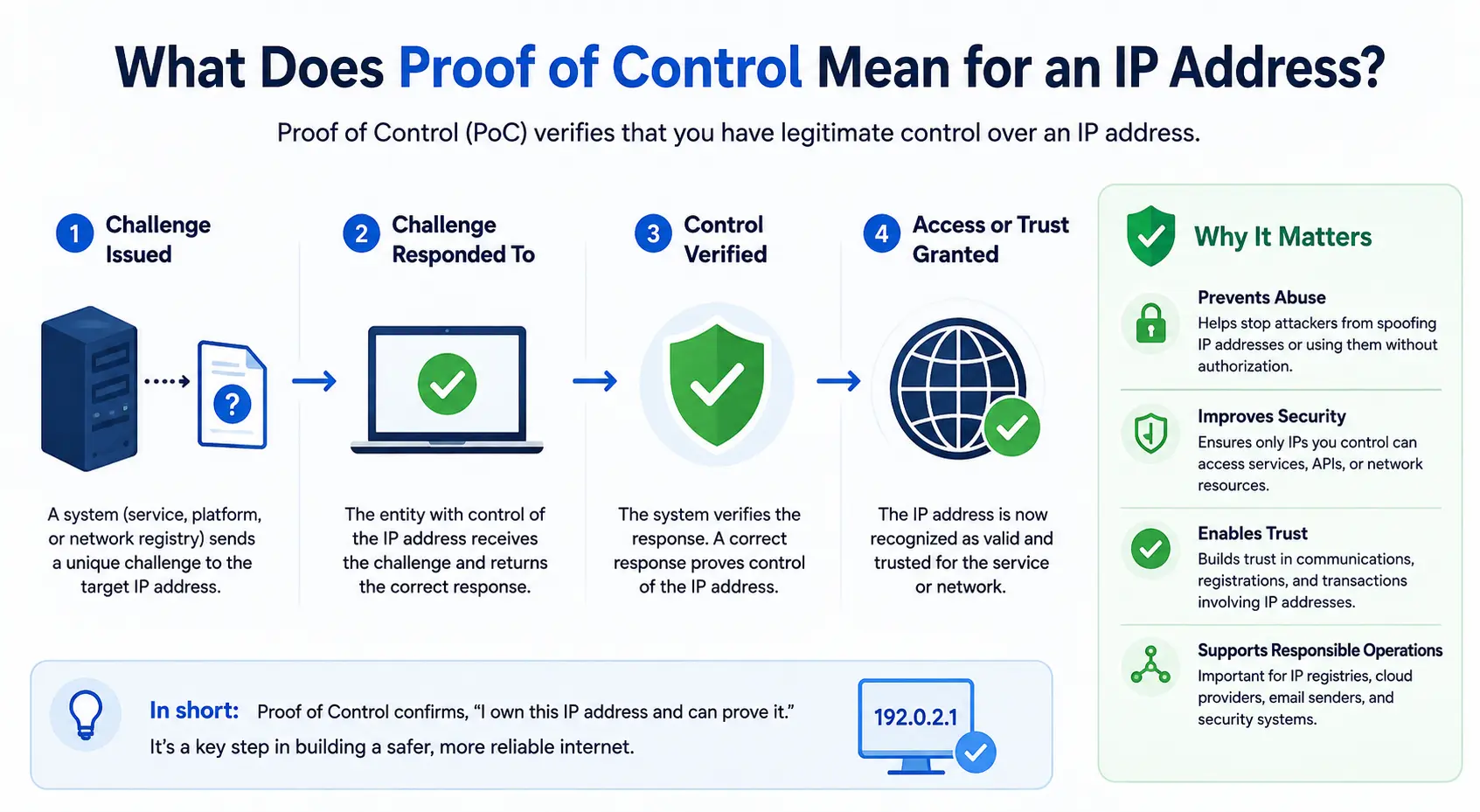
Accurate IP address registration supports accountability. Poor registration data makes it harder to investigate incidents, respond to abuse, maintain trust, and protect users.
This is especially important as cyber threats become more complex. Phishing, botnets, distributed denial-of-service attacks, credential theft, malware campaigns, and online fraud all rely on network infrastructure.
Strong governance of IP address records, routing data, abuse contacts, and operational responsibility helps the internet respond more effectively.
In this sense, IP addresses are part of the internet’s trust infrastructure. They help make digital activity traceable, manageable, and secure.
If IP addresses are treated only as technical labels, their security role may be underestimated. If they are recognized as economic infrastructure, then registry accuracy, routing security, and abuse handling become part of infrastructure resilience.
IP Governance Matters for Developing Markets
The economic role of IP addresses is especially important for developing digital markets.
Countries and regions working to expand broadband access, build local cloud ecosystems, support startups, grow digital trade, and improve digital public services need reliable access to internet number resources.
If IP address access is costly, unclear, or poorly managed, digital development can slow down.
This does not mean IP addresses should be treated as ordinary private property. Internet number resources require coordination to avoid duplication, routing problems, and fragmentation. However, it does mean governance should recognize the development impact of address policy.
Developing markets need policies that support IPv6 readiness, fair access to IPv4 resources, capacity building, accurate registry data, stronger local technical expertise, and trustworthy IP leasing or transfer practices.
Digital inclusion is not only about connecting consumers. It is also about enabling local networks, businesses, platforms, public institutions, and service providers to scale.
IP address governance should therefore be part of digital development policy.
The IPv6 Transition Is an Infrastructure Transition
IPv6 is often discussed as a technical upgrade. In reality, it is an economic and infrastructure transition.
The world cannot rely on IPv4 scarcity workarounds forever. IPv6 provides the address capacity needed for long-term internet growth, but adoption requires coordination across many stakeholders.
Internet service providers must upgrade networks. Cloud platforms must support IPv6-native services. Enterprises must update systems and security policies. Governments must include IPv6 in procurement requirements. Device manufacturers must ensure compatibility. Developers must build and test applications for dual-stack and IPv6 environments.
The benefits of IPv6 are broad, but the costs of transition are often immediate and unevenly distributed. This is why governance matters.
Public policy can help accelerate IPv6 adoption by setting clear expectations, supporting training, requiring IPv6 compatibility in public-sector technology procurement, and encouraging industry coordination.
IPv6 should not be treated as a niche engineering issue. It should be recognized as a central part of future-ready digital infrastructure.
Why Internet Governance Must Evolve
Traditional internet governance has done an impressive job of maintaining global coordination. The internet works because many organizations cooperate across borders, sectors, and technical communities.
But the internet has changed. It is no longer only a research or communications network. It is now the operating layer of the global economy.
That means governance frameworks must evolve.
Recognizing IP addresses as economic infrastructure would help policymakers, regulators, Regional Internet Registries, businesses, and internet institutions make better decisions. It would encourage long-term planning, strengthen accountability, support competition, improve cybersecurity, and align address policy with broader digital economy goals.
This recognition does not mean politicizing technical coordination. It means understanding that technical resources have economic consequences.
IP address governance should remain open, transparent, technically sound, and community-driven. But it should also be connected to economic development, infrastructure resilience, competition, and digital inclusion.
Policy Recommendations
To treat IP addresses as economic infrastructure, internet governance stakeholders should consider several practical steps.
1. Include IP Addressing in Digital Infrastructure Strategies
Governments and regional organizations should include IP address management, IPv6 adoption, routing security, registry accuracy, and public network identity in national digital infrastructure strategies.
These topics should not be hidden inside technical documents. They should be part of mainstream digital economy planning.
2. Recognize Public Network Identity as a Continuity Issue
For many organizations, public IPs are tied to customer trust, partner allowlists, regulated integrations, security controls, and production services.
Governance frameworks should recognize that changing IP addresses can create real operational risk. Stable, portable public network identity should be treated as part of business continuity and infrastructure resilience.
3. Support Transparent IPv4 Transfer and Leasing Markets
IPv4 transfers and leasing are now part of the internet economy. Governance frameworks should encourage transparency, accurate registration, responsible use, clear accountability, and operational reliability.
Market activity should not undermine trust, security, or fair access.
4. Encourage Provider-Independent Addressing Models
Businesses should be able to design public identity around continuity rather than temporary assignments from a single provider.
Provider-independent models, including BYOIP-capable environments, can help organizations move across clouds, data centers, ISPs, SASE platforms, and managed network providers without forcing customers and partners to rediscover their network.
5. Accelerate IPv6 Through Public Procurement
Governments can lead by requiring IPv6 support in public-sector networks, cloud services, software systems, and digital platforms.
Public procurement can create demand and encourage vendors to prioritize IPv6 compatibility.
6. Strengthen Regional Internet Registry Governance
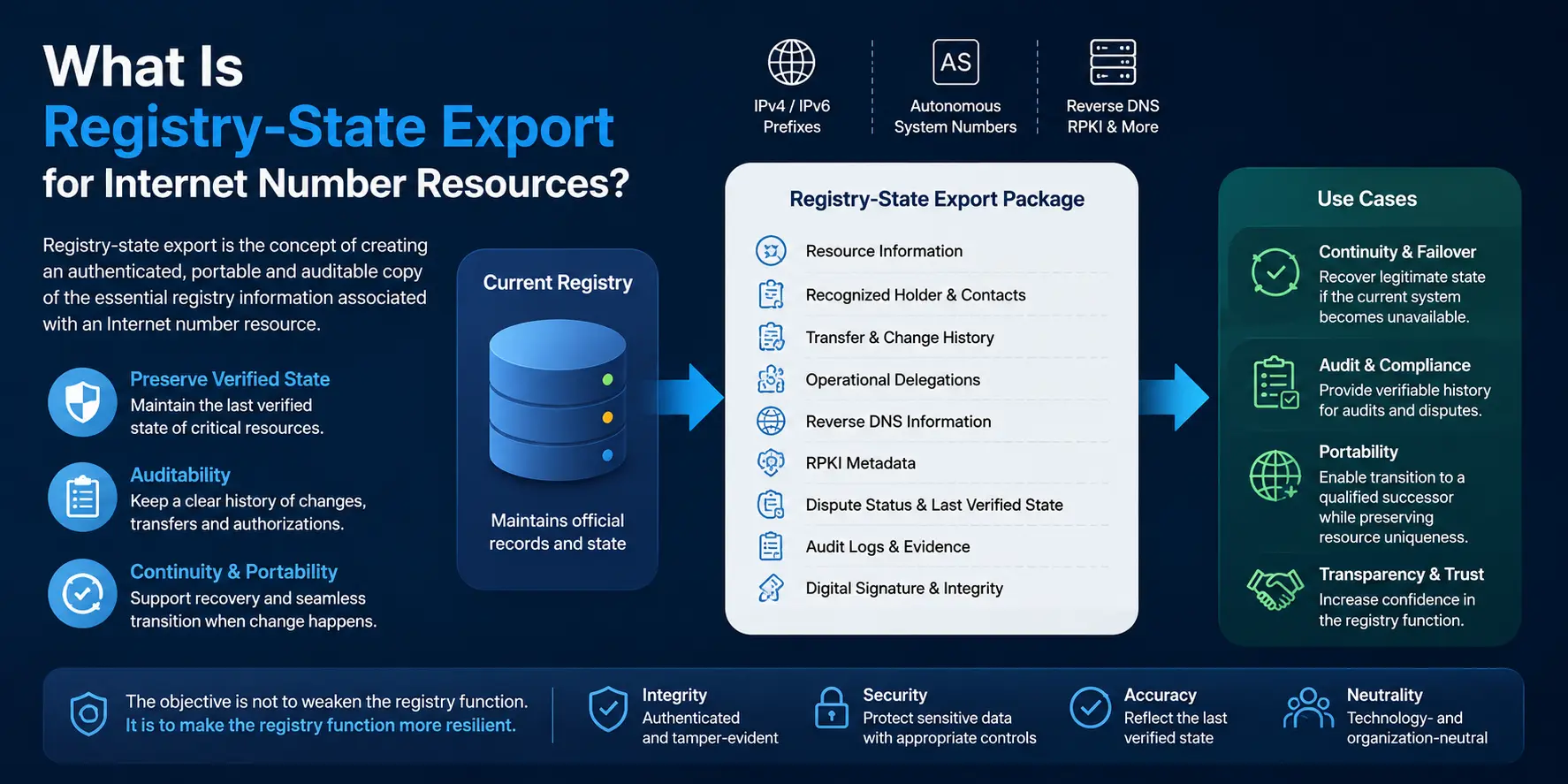
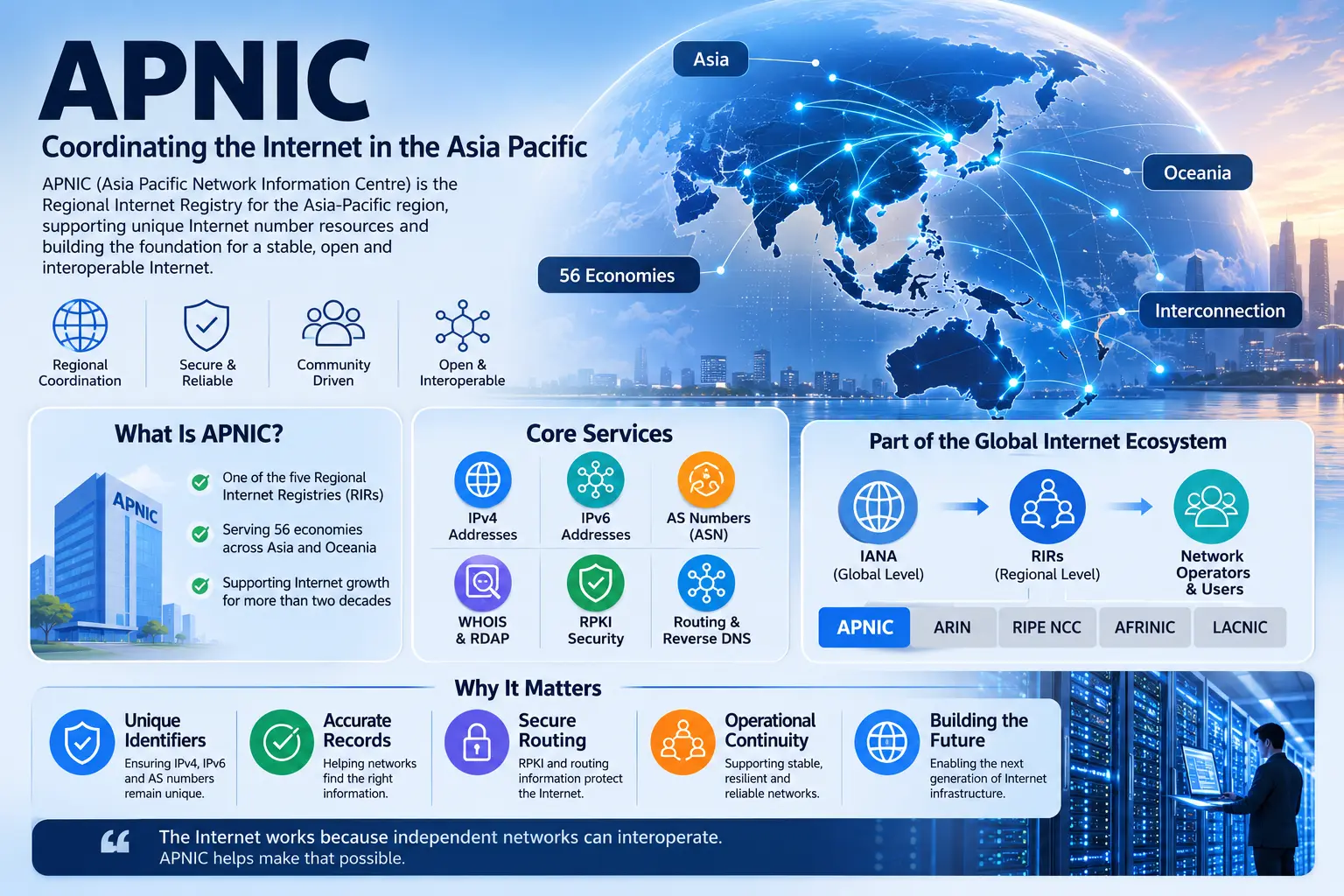
Regional Internet Registries play a critical role in managing internet number resources. Their policy processes, accountability mechanisms, technical capacity, and community participation should be supported as essential parts of digital infrastructure governance.
7. Improve Registry Data and Abuse Contact Accuracy
Accurate registry data helps network operators, cybersecurity teams, law enforcement agencies, and businesses respond to problems more efficiently.
Maintaining high-quality IP address records should be treated as infrastructure maintenance.
The Business Case for Better IP Governance
Businesses also have a strong interest in better IP governance.
Reliable IP address management reduces operational risk. Clean and well-managed IP ranges support email deliverability, network reputation, cybersecurity, service availability, partner access, and customer trust.
IPv6 readiness helps companies prepare for future growth. Transparent IP leasing and transfer practices reduce uncertainty. Provider-independent public network identity helps companies maintain continuity when infrastructure changes.
For cloud providers, telecom operators, hosting companies, fintech platforms, e-commerce businesses, gaming platforms, cybersecurity providers, and digital service operators, IP addressing is not just a back-office function. It is part of business continuity and infrastructure strategy.
Companies that treat IP addresses strategically will be better prepared for the future internet.
They will understand when to lease, when to buy, when to deploy IPv6, how to protect IP reputation, how to manage routing and registry data, and how to design public identity that can move with the business.
A Practical Question for Enterprises
The most practical question for enterprises is not only, “How many IP addresses do we need?”
A better question is, “Which public IP addresses already carry our business identity?”
To answer that, organizations should map where they are already recognized by IP:
Which customers whitelist these IPs?
Which partners depend on these addresses?
Which APIs use these IPs for access control?
Which payment, banking, or compliance systems recognize them?
Which security rules depend on them?
Which cloud regions, offices, or data centers would need reconfiguration if they changed?
Which revenue-generating services would be affected by renumbering?
This is where public network identity becomes measurable. It is not an abstract concept. It is visible in allowlists, firewall rules, audit documents, partner integrations, security platforms, cloud configurations, and customer dependencies.
Once a company understands that map, it can design a more resilient identity structure.
That is the strategic value of LARUS One: it encourages organizations to treat public IP identity as something that should be designed, governed, and protected before the next migration, outage, provider change, or compliance review.
Conclusion
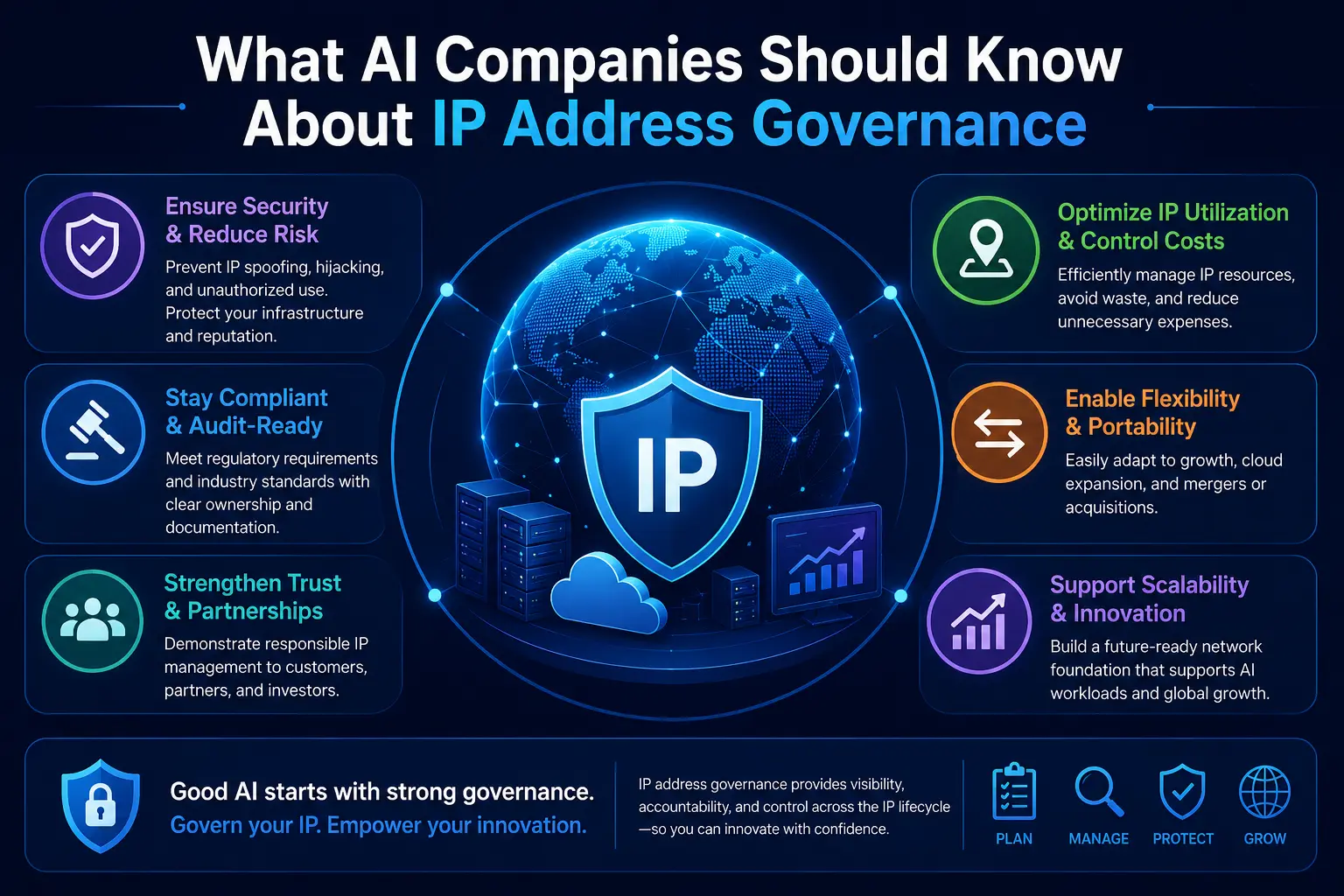
IP addresses are the invisible foundation of the digital economy. They make online services reachable, networks interoperable, and digital growth possible.
For too long, they have been treated mainly as technical identifiers. But IPv4 scarcity, IP leasing, provider-independent public network identity, IPv6 transition, cybersecurity needs, and digital market competition have made their economic role impossible to ignore.
Internet governance should recognize IP addresses as economic infrastructure.
This recognition would not replace technical coordination. It would strengthen it by aligning IP address policy with the realities of the modern digital economy.
The future of the internet depends not only on faster networks and larger data centers, but also on the responsible governance of the addressing resources that make connectivity possible.
The digital economy runs on the internet. The internet runs on addresses. And increasingly, businesses run on stable public network identity.
It is time for internet governance to treat IP addresses with the strategic importance they deserve.
FAQs
IP addresses should be considered economic infrastructure because they enable digital services, cloud platforms, internet connectivity, cybersecurity, public network identity, and online business operations. Without IP addresses, the digital economy cannot function at scale.
Public network identity refers to the way a business is recognized on the internet through stable public IP addresses used by employees, servers, services, APIs, clouds, offices, and partner-facing systems.
Provider independence matters because businesses may need to move across cloud providers, ISPs, data centers, CDNs, or security platforms without forcing customers and partners to update allowlists, access rules, or integrations.
IPv4 scarcity can increase costs for businesses that need address space. Companies may need to buy or lease IPv4 addresses, use technical workarounds, or invest in IPv6 deployment. These choices affect budgets, operations, continuity, and growth plans.
IP leasing allows organizations to use IPv4 address resources for a defined period instead of buying them outright. It can provide flexible access to address capacity while helping businesses manage infrastructure needs.