APNIC: What It Is, What It Does, and Its Role in the Asia-Pacific Internet
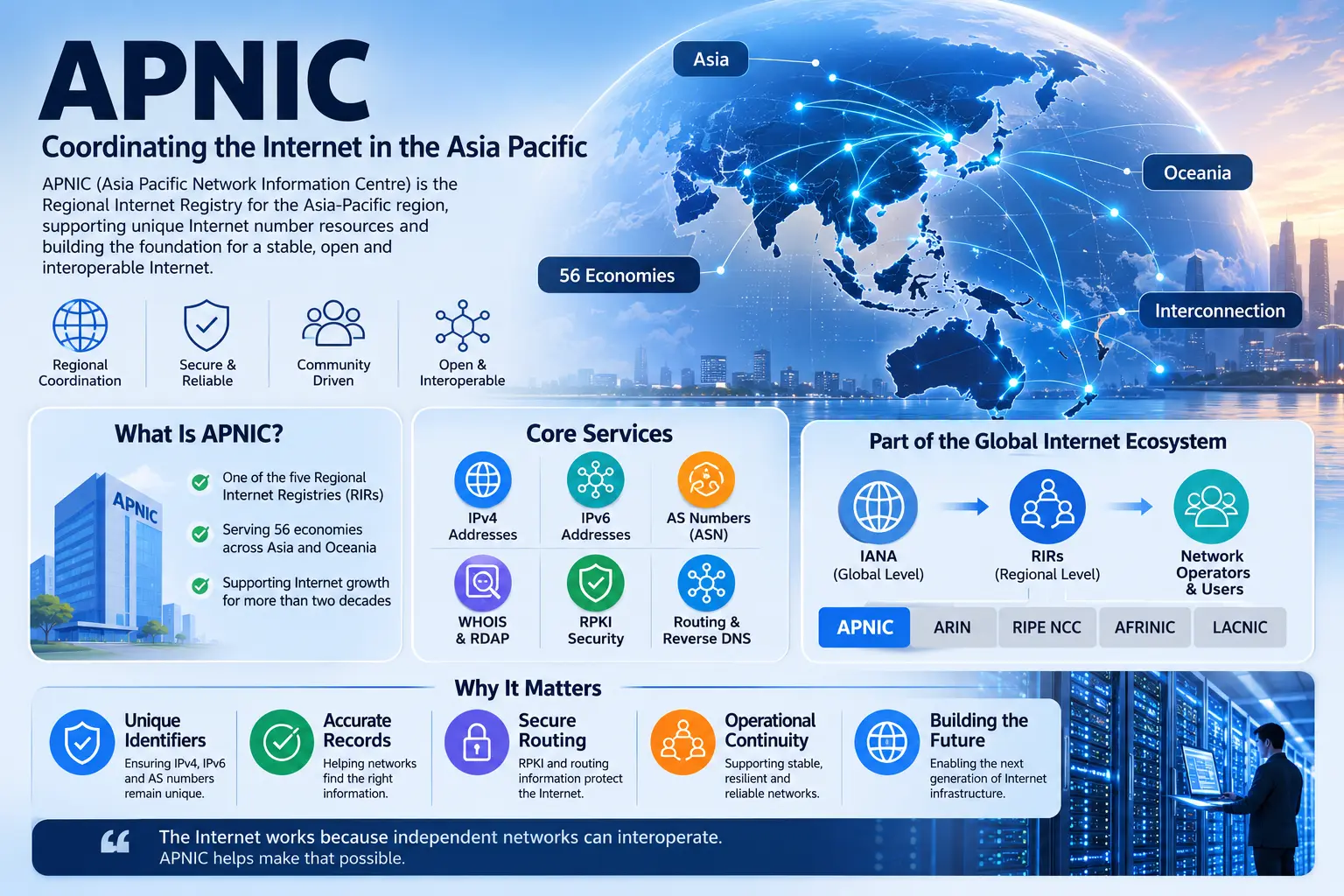
APNIC, the Asia Pacific Network Information Centre, is the Regional Internet Registry for the Asia-Pacific region. It provides regional registration and coordination services for Internet number resources, including IPv4 addresses, IPv6 addresses and Autonomous System Numbers (ASNs).
Its role goes beyond the initial distribution of numbers.
APNIC also supports registration databases, routing information, reverse DNS, routing-security infrastructure and other technical services used by network operators across the Asia-Pacific region.
Understanding APNIC therefore means understanding an important part of the coordination layer behind how networks identify Internet number resources, publish registration information and maintain interoperable infrastructure.
At a simplified level, Internet number coordination can be understood as:
global coordination → regional registration → resource holder → operational network
Each layer has a different purpose.
IANA operates at the global coordination layer.
Regional Internet Registries maintain regional registry systems and related services.
Resource holders use or delegate number resources.
Network operators route them.
Cloud providers, hosting companies, enterprises, carriers and other infrastructure providers may interact with the resources operationally.
Understanding these distinctions prevents several different concepts from being collapsed into one.
Registration is not routing.
Routing is not ownership.
A service region is not political sovereignty.
A technical coordination role is not unlimited institutional authority.
The Internet works because these layers can interact while remaining distinct.
What Is APNIC?
APNIC stands for Asia Pacific Network Information Centre. It is one of the world’s five Regional Internet Registries, commonly known as RIRs. Regional Internet Registries provide regional coordination and registration services for Internet number resources. In APNIC’s case, its service region covers 56 economies across Asia and Oceania, according to APNIC’s official service region information. Its core number-resource functions include:- IPv4 address registration and distribution;
- IPv6 address registration and distribution; and
- Autonomous System Number assignment and registration.
Why Does the Internet Need Regional Internet Registries?
The Internet is built from thousands of independent networks. Those networks need globally unique identifiers. Two unrelated networks cannot have conflicting exclusive registration claims over the same IP address block. Autonomous System Numbers also need to remain unique enough for routing systems to distinguish one autonomous network from another. This creates a legitimate coordination requirement. At the most fundamental level, a number-resource registry helps answer questions such as:- Which Internet number resources have been allocated or registered?
- Which organization is associated with a resource?
- Which contacts are responsible for it?
- What changes have been recorded?
- Which routing or security-related information is associated with it?
What Does APNIC Do?
APNIC’s work involves several connected technical and administrative functions.IPv4 Address Management
IPv4 remains widely used throughout the global Internet. APNIC coordinates the registration and distribution of IPv4 number resources within its service region according to applicable policies and processes. As globally available IPv4 space has become increasingly constrained, management of existing resources has also become more important. IPv4 addresses today may remain operational for many years and may be involved in:- network expansion;
- cloud infrastructure;
- hosting;
- data centers;
- enterprise connectivity;
- transfers;
- leasing; and
- changes of service providers.
IPv6 Address Management
APNIC also distributes and registers IPv6 address space. IPv6 was designed with a vastly larger address space than IPv4 and plays an important role in the long-term development of Internet infrastructure. In practice, many networks continue to operate IPv4 and IPv6 at the same time. This means the practical coordination requirements remain similar across both protocols:- resources must be uniquely identified;
- records should remain accurate;
- responsible organizations should be identifiable; and
- routing and security information should remain understandable.
Autonomous System Numbers
An Autonomous System Number, or ASN, identifies an autonomous network participating in Internet routing. ASNs are fundamental to the Border Gateway Protocol, or BGP, because they allow independent networks to identify themselves and exchange routing information. APNIC assigns and registers ASNs for eligible organizations within its service region. At the global level, IANA allocates blocks of AS numbers to the Regional Internet Registries for further assignment to network operators. An ASN is not simply an administrative number. Once used by a live network, it becomes part of the operational routing environment. That is why accurate records and continuity matter.Which Region Does APNIC Cover?
APNIC serves 56 economies across the Asia-Pacific region. Its service area is grouped into four broad subregions:- East Asia;
- South Asia;
- Southeast Asia; and
- Oceania.
- major cloud regions;
- telecommunications networks;
- international data centers;
- submarine cable landing points;
- Internet exchange points;
- enterprise networks;
- mobile operators;
- hosting platforms; and
- developing connectivity markets.
What Are National Internet Registries?
Some economies in the APNIC region also use National Internet Registries, commonly called NIRs. There are currently seven NIRs serving:- China;
- India;
- Indonesia;
- Japan;
- South Korea;
- Taiwan; and
- Vietnam.
- number resources remain unique;
- records remain sufficiently accurate;
- changes can be understood;
- interoperability is preserved; and
- networks can continue operating.
APNIC WHOIS
One of APNIC’s most visible functions is the APNIC WHOIS Database. WHOIS has historically allowed users to search registration information associated with Internet number resources. Depending on the record, this information may include:- IP address ranges;
- Autonomous System Numbers;
- organizations;
- technical contacts;
- administrative contacts; and
- routing-related information.
What Is APNIC RDAP?
APNIC also supports Registration Data Access Protocol, or RDAP. RDAP provides a structured way to retrieve Internet registration information. Compared with traditional WHOIS, RDAP is designed around standardized and machine-readable data. This becomes increasingly important as Internet infrastructure is managed through automation. Humans may read registration records during troubleshooting. Software systems may also need to interpret:- resource information;
- organization information;
- contacts;
- referrals; and
- registration status.
APNIC and RPKI
APNIC also participates in Resource Public Key Infrastructure, or RPKI. RPKI allows holders of Internet number resources to publish cryptographically verifiable statements about route-origin authorization. A common RPKI object is a Route Origin Authorization, or ROA. A ROA can indicate that a particular Autonomous System is authorized to originate a particular prefix. This gives network operators another source of information when evaluating BGP announcements. RPKI does not replace BGP. It adds a security-related layer that can help networks evaluate whether a route origin is consistent with published authorization. This distinction matters. The registry may support a security assertion. The network still makes its routing decision. The security layer supports running networks and should remain aligned with the operational reality it is intended to describe.Why RPKI Continuity Matters
RPKI becomes more important as more networks use Route Origin Validation. That also means continuity matters. If a valid network changes infrastructure, providers or routing arrangements, the relevant security information may also need to change. A security system should help protect valid routing. It should not become disconnected from the operational resource it is supposed to describe. The principle should be straightforward: Security assertions should track legitimate operational control and technical validity. This is one reason number-resource coordination increasingly requires attention not only to registration records but also to the supporting systems attached to those records.APNIC and the Internet Routing Registry
APNIC also operates an Internet Routing Registry, or IRR. An IRR allows network operators to publish routing-policy information. Routing registries can contain objects describing relationships between:- prefixes;
- Autonomous Systems;
- route announcements; and
- routing policies.
APNIC and Reverse DNS
APNIC also supports reverse DNS delegation for address space under its administration. Reverse DNS performs the opposite function of ordinary forward DNS. Instead of mapping a hostname to an IP address, it allows an IP address to be associated with a hostname. For IPv4, reverse DNS commonly uses thein-addr.arpa hierarchy.
For IPv6, it uses ip6.arpa.
Reverse DNS may be important for:
- email systems;
- network troubleshooting;
- security analysis;
- logging;
- reputation systems; and
- application operations.
How Does APNIC Fit Into the Global RIR System?
APNIC is one of five Regional Internet Registries.| Regional Internet Registry | Main Service Region |
|---|---|
| APNIC | Asia Pacific |
| ARIN | North America and parts of the Caribbean |
| RIPE NCC | Europe, the Middle East and parts of Central Asia |
| AFRINIC | Africa |
| LACNIC | Latin America and the Caribbean |
Why Accurate APNIC Records Matter
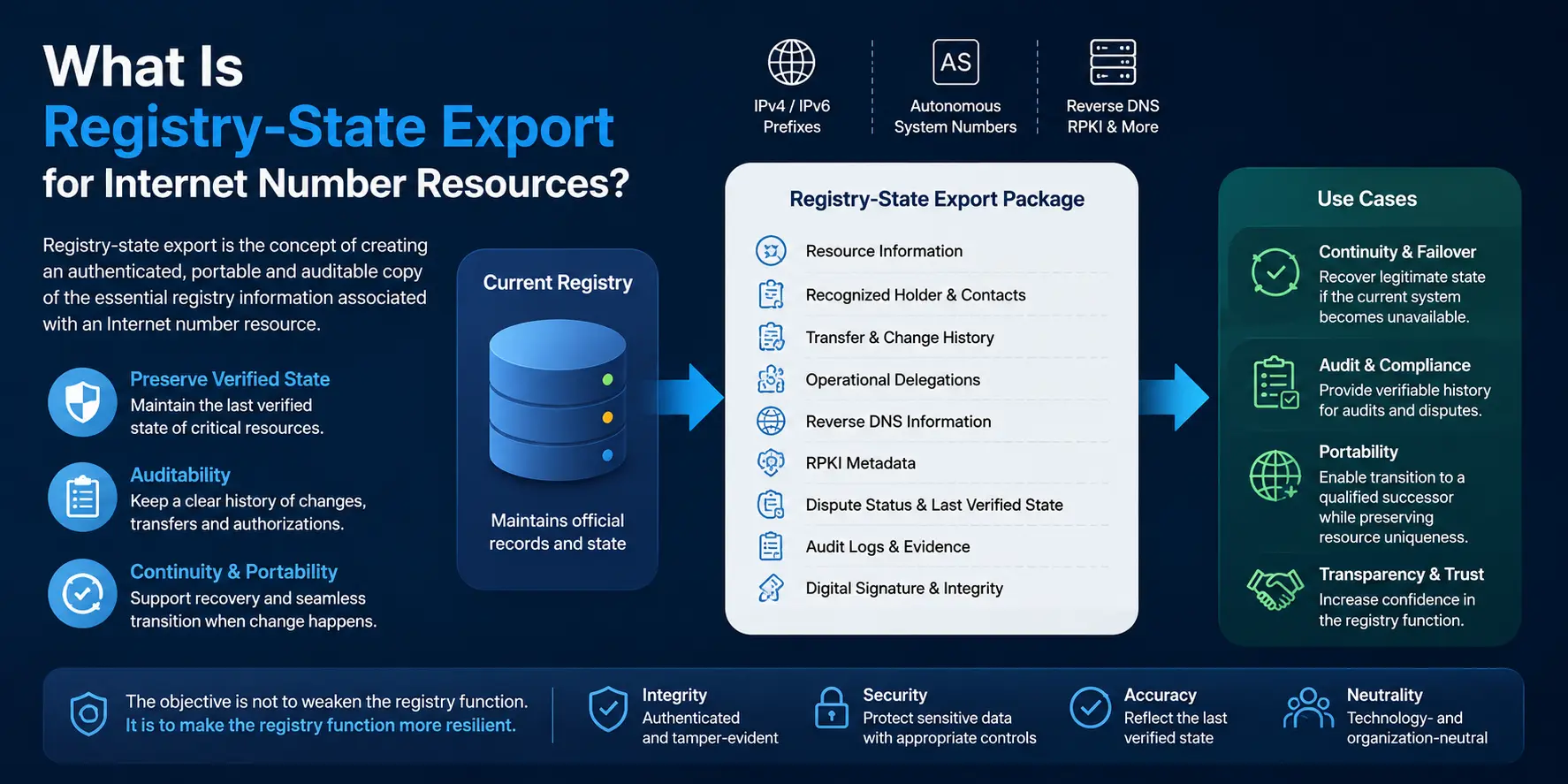
The practical value of an Internet number registry depends heavily on the accuracy of its records. Consider a single IPv4 prefix. Different systems may describe different parts of its operational state. A registry record may identify the registered resource holder. WHOIS or RDAP may identify contacts. BGP may show which ASN is currently announcing the prefix. RPKI may show which ASN has been authorized as an origin. An IRR object may describe routing policy. Reverse DNS may show another operational relationship. None of these individual systems necessarily describes the entire reality. Together, however, they can provide a much clearer picture. This is why a useful registry should aim to keep records aligned with legitimate operational, organizational and technical changes. If a company changes its name, records may need updating. If a resource changes control, records may need updating. If a network changes its origin ASN, routing-security information may need reviewing. If infrastructure moves, reverse DNS and operational contacts may need to follow. Registry accuracy is therefore not merely administrative housekeeping. It supports network coordination.A Registry Record Describes Reality
One of the most important distinctions in Internet number-resource governance is between recording reality and creating reality. A registry record is useful because networks, organizations and technical systems can rely on it as evidence of a recognized registration state. But the real Internet contains several layers. There may be:- contractual relationships;
- routing relationships;
- operational delegation;
- security assertions;
- corporate changes;
- infrastructure dependencies; and
- live customer services.
APNIC and IPv4 Scarcity
IPv4 scarcity changed the environment in which Regional Internet Registries operate. In the early Internet, IPv4 resources were often treated primarily as technical identifiers distributed to support network growth. Today, IPv4 resources can also be:- transferred;
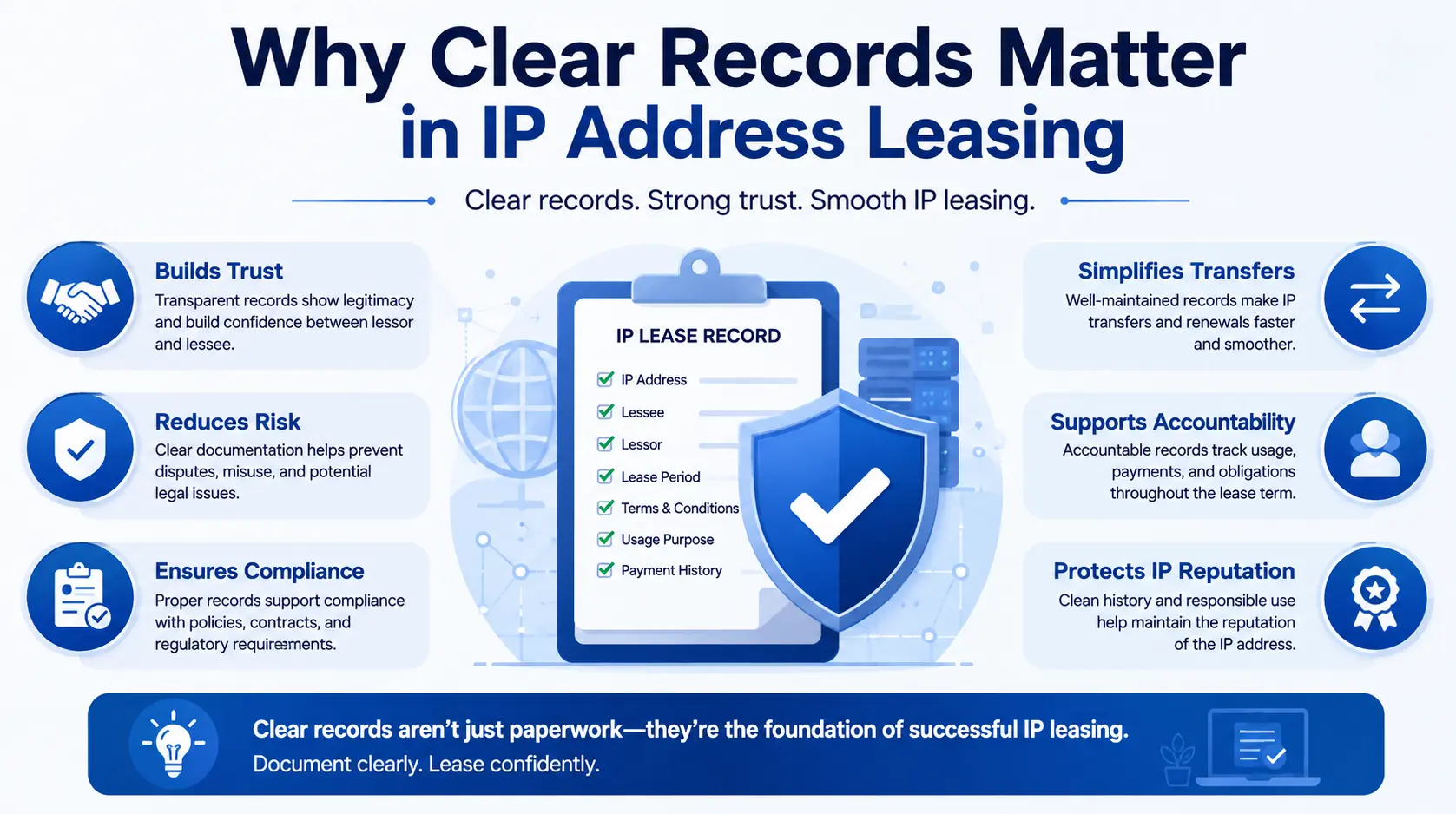
- leased;
- embedded in customer infrastructure;
- used across multiple service providers;
- relied upon for network identity; and
- treated as economically valuable resources.
What Does IPv4 Scarcity Change for APNIC?
IPv4 scarcity does not eliminate the need for registry coordination. It makes the boundaries of that coordination more important. The registry still has legitimate reasons to support:- uniqueness;
- accurate records;
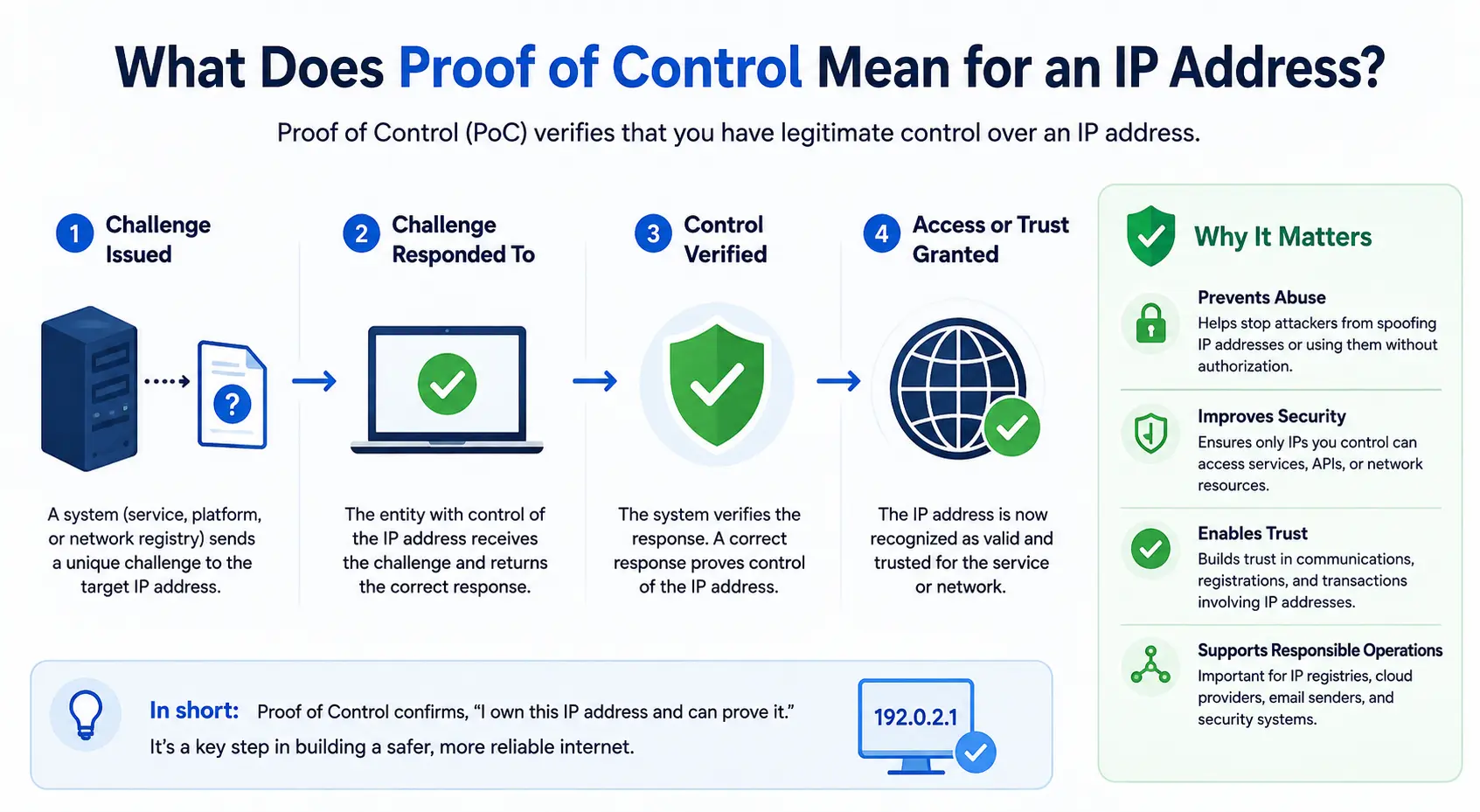
- proof of control;
- contactability;
- fraud prevention;
- routing-related information;
- security assertions; and
- transfer recording.
- leased;
- transferred;
- delegated;
- moved between infrastructure providers; or
- incorporated into complex enterprise networks.
APNIC and Regional Connectivity
APNIC contributes to regional connectivity through several technical functions. Number-resource registration helps networks obtain and identify the resources they use. WHOIS and RDAP help make registration information accessible. RPKI provides route-origin authorization information. IRR services support routing-policy coordination. Reverse DNS supports operational services. Training and technical engagement can also help network operators build and maintain infrastructure. These functions support the environment in which independent networks interoperate. However, connectivity itself is created by running networks. Telecommunications operators deploy infrastructure. Data centers provide facilities. Internet exchange points connect networks. Cloud providers deploy services. Enterprises operate systems. Network engineers configure routers. Users generate demand. The registry supports this environment. It does not create the entire environment. That distinction helps keep the technical role of APNIC clear.How Is APNIC Governed?
APNIC operates as a membership-based organization with an Executive Council, Secretariat and community policy processes. Governance matters because APNIC performs services relied upon by networks across a large and diverse region. But two questions should remain distinct: What technical functions does APNIC perform? and: What authority should the institution performing those functions have? The first question concerns:- uniqueness;
- registration;
- number-resource administration;
- routing-related coordination;
- security infrastructure; and
- operational services.
- accountability;
- institutional structure;
- representation;
- policy scope;
- decision-making;
- liability; and
- the limits of organizational authority.
Coordination Is Not Sovereignty
Regional Internet Registries occupy an unusual position. Their services can become important to network operations. That importance should not be interpreted as political sovereignty. A registry region is not a state. A membership organization is not a government. A technical community is not automatically a legislature. A database is not ownership. The strongest justification for the registry layer comes from functions that running networks genuinely need:- unique identifiers;
- accurate records;
- reliable contacts;
- security information;
- routing-related coordination;
- transfer records; and
- continuity.
What Should Network Operators Expect From an Internet Number Registry?
A useful Internet number registry should help provide a stable and understandable coordination layer. At minimum, network operators benefit from:- unique Internet number-resource records;
- accurate resource-holder information;
- clear operational contacts;
- reliable change history;
- fraud resistance;
- routing-related coordination;
- security assertions;
- transfer or change-of-control records;
- auditability; and
- continuity of essential registry services.
- routing strategy belongs with network operators;
- infrastructure design belongs with operators;
- commercial pricing belongs with contracting parties;
- customer relationships belong with providers and customers; and
- business strategy belongs with the organizations taking the risk.
Why Operational Continuity Matters
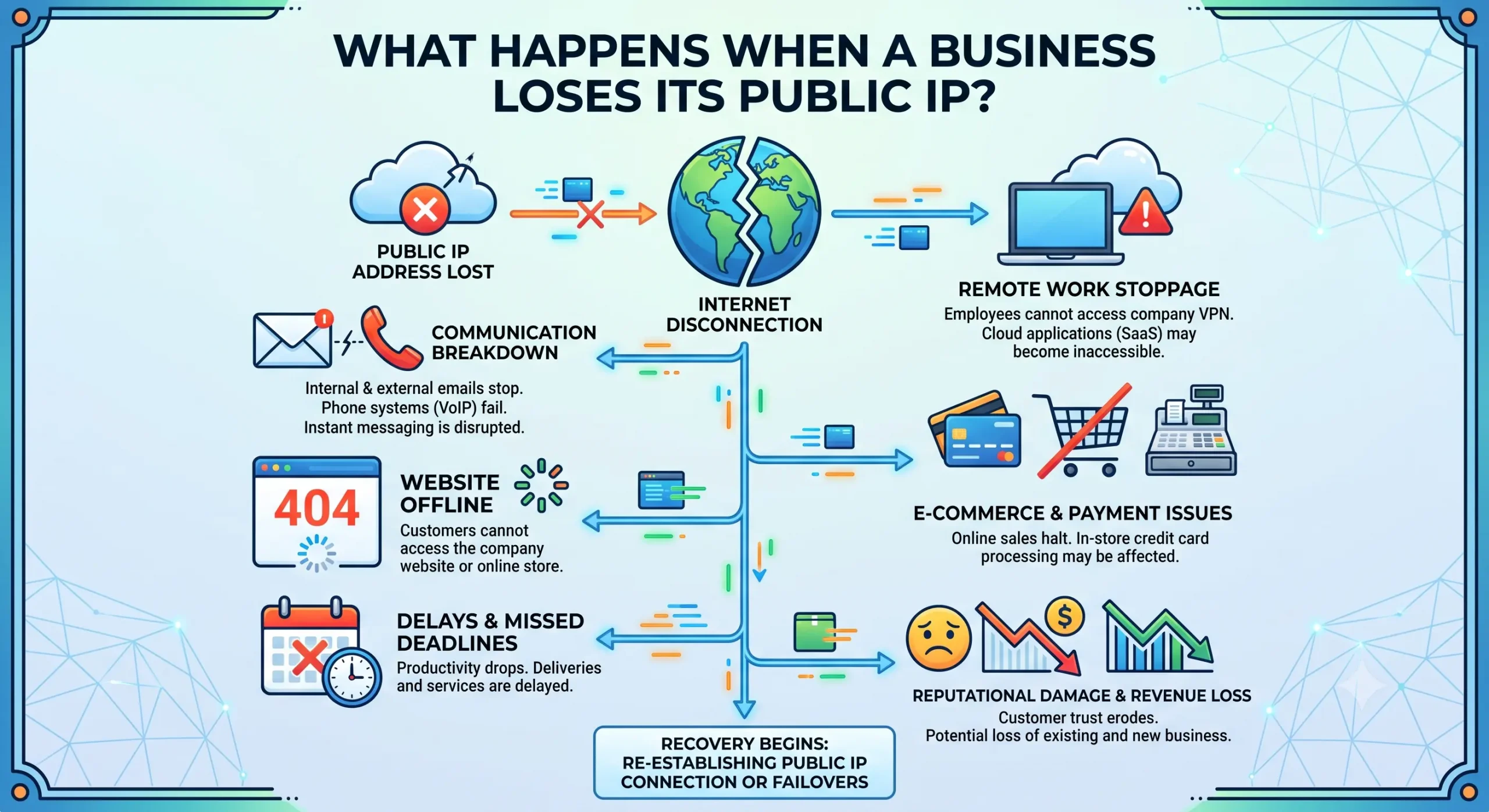
A registry record can be important. But the running network is where the economic and technical consequences ultimately appear. When an IP resource is used by a live network, it may support:- websites;
- cloud applications;
- APIs;
- payment systems;
- enterprise connectivity;
- security systems;
- customer access;
- data-center infrastructure; and
- other production services.
The Registry Function and the Registry Institution Are Not the Same Thing
This distinction becomes especially important for critical infrastructure. The Internet needs continuity of certain functions:- unique registration;
- accurate records;
- WHOIS or RDAP availability;
- reverse DNS;
- RPKI;
- routing-related information;
- audit history; and
- legitimate updates.
- auditable;
- recoverable;
- portable where technically possible;
- protected from unnecessary single points of failure; and
- capable of continuity during institutional disruption.
APNIC in a Changing Internet
APNIC operates today in an Internet environment very different from that of the 1990s. IPv4 is scarce. IPv6 deployment continues. RPKI is increasingly relevant to routing security. RDAP makes registration data more machine-readable. Cloud infrastructure has made networks more dynamic. Multi-provider architectures are common. IP resources may remain operationally important while companies, providers, networks and infrastructure around them change. These developments put greater emphasis on a few basic qualities: accuracy auditability interoperability security continuity and increasingly: portability and replaceability of critical coordination functions The Internet should not depend on the assumption that any individual organization is institutionally permanent. What should remain durable is the function networks actually require.APNIC and the Principle of Thin Coordination
One useful way to think about future number-resource systems is through the idea of thin coordination. A thin coordination layer contains only the information and rules that independent networks genuinely need to interoperate. That can include:- uniqueness;
- proof of recognized control;
- registry accuracy;
- security assertions;
- transfer records;
- auditability;
- conflict information; and
- continuity mechanisms.
APNIC and Running-Code Primacy
The Internet’s value ultimately comes from networks that run. Policies, databases and institutions matter because they support those networks. This suggests a useful test for any Internet number-resource rule: Does this rule protect uniqueness? Does it improve registry accuracy? Does it help prevent fraud? Does it support routing security? Does it improve interoperability? Does it help record legitimate changes? Does it preserve operational continuity? If the answer is yes, the rule has a strong technical justification. If the answer is primarily about regulating ordinary commercial models, customer geography, pricing or business strategy, the justification is less clearly connected to the original coordination function. This is explored in more detail in Running-Code Primacy: The Patch Needed to Preserve the Internet’s Original Design. The underlying principle is simple: The coordination layer should ultimately serve running networks. Running networks should not exist merely to serve the coordination layer.Conclusion
APNIC is an important part of the Internet’s number-resource coordination infrastructure in the Asia-Pacific region. Its role includes IPv4, IPv6 and Autonomous System Numbers, but the broader function extends into the systems that make those resources understandable and usable. WHOIS and RDAP provide registration information. RPKI provides route-origin authorization information. The Internet Routing Registry supports routing-policy information. Reverse DNS supports operational delegation. Together, these functions help independent networks coordinate around Internet number resources. But the most useful way to understand APNIC is not as an institution with unlimited authority over those resources. It is as a regional coordination layer. That distinction matters. The technical need for uniqueness is real. The need for accurate records is real. The need for routing security is real. The need for operational continuity is real. Those technical requirements provide a strong justification for a registry function. They do not eliminate the need to define the boundaries of that function. A resilient Internet should preserve the ledger without confusing the ledger with the network. It should preserve coordination without turning coordination into sovereignty. And it should ensure that the institutions supporting the Internet remain accountable to the operational reality they exist to serve. The registry should help describe the Internet accurately. The running Internet remains the reason the registry exists.FAQs
1. What does APNIC stand for?
APNIC stands for Asia Pacific Network Information Centre.
2.Is APNIC a Regional Internet Registry?
Yes. APNIC is one of the five Regional Internet Registries involved in the global coordination of Internet number resources.
3. What region does APNIC cover?
APNIC serves 56 economies across Asia and Oceania.
4. What does APNIC do?
APNIC provides services related to IPv4, IPv6 and ASN registration, WHOIS, RDAP, RPKI, routing information, reverse DNS and other Internet number-resource functions.
5. Does APNIC provide IPv4 addresses?
APNIC administers and registers IPv4 resources within its service region under relevant policies and processes.