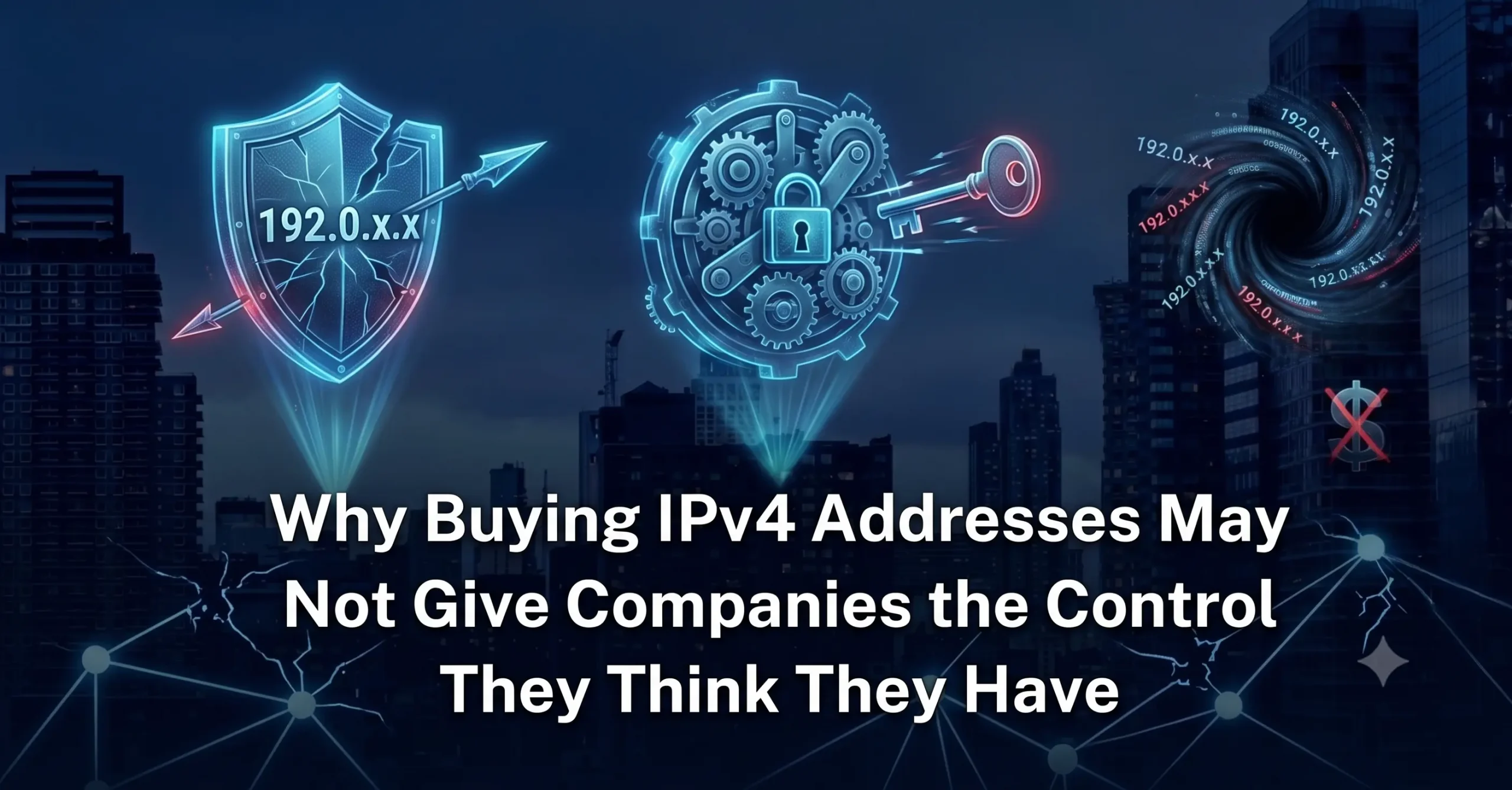
Why Buying IPv4 Addresses May Not Give Companies the Control They Think They Have
Intro
Many companies believe buying IPv4 addresses gives them full control. But IPv4 ownership often depends on registry rules, contracts, policies, and operational continuity. For business-critical addresses, the real issue is not ownership. It is whether the company can keep using the same public network identity when providers, clouds, or infrastructure change.
Why Buying IPv4 Addresses May Not Give Companies the Control They Think They Have
Buying IPv4 addresses can feel like the safest way to solve a business problem.
IPv4 is scarce. IPv4 has market value. IPv4 addresses are needed for servers, APIs, cloud services, data centers, enterprise offices, secure networks, and partner-facing infrastructure.
So the logic seems simple.
If the address is important, buy it.
If the company buys it, the company controls it.
But that assumption is not always true.
In many cases, buying IPv4 addresses does not give companies the level of control they think they are getting. The company may acquire a registration position, but that is not the same as absolute ownership. It may gain access to a number, but that does not guarantee continuity. It may remove one dependency, only to create another dependency at the registry, provider, or operational layer.
For ordinary network capacity, this may be acceptable.
For business-critical public IP addresses, it can become a serious risk.
Because once an IP address is trusted by customers, banks, suppliers, partners, security teams, compliance documents, and firewall rules, it is no longer just a technical resource.
It becomes network identity.
And network identity requires more than ownership language.
It requires continuity.
What Does It Mean to Buy IPv4 Addresses?
When companies talk about buying IPv4 addresses, they often assume they are purchasing something similar to property.
They expect control.
They expect independence.
They expect that once the address block is registered, the problem is solved.
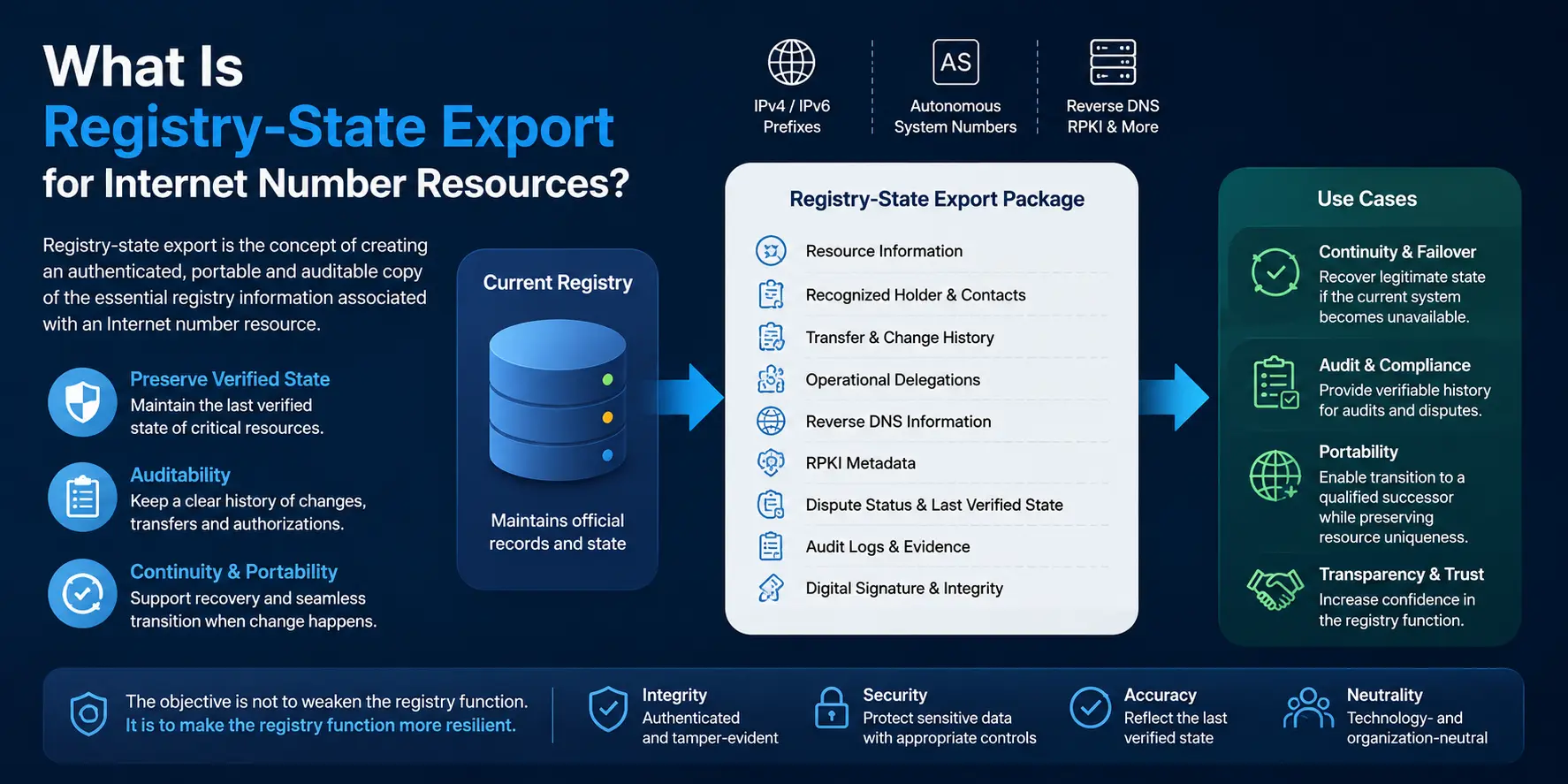
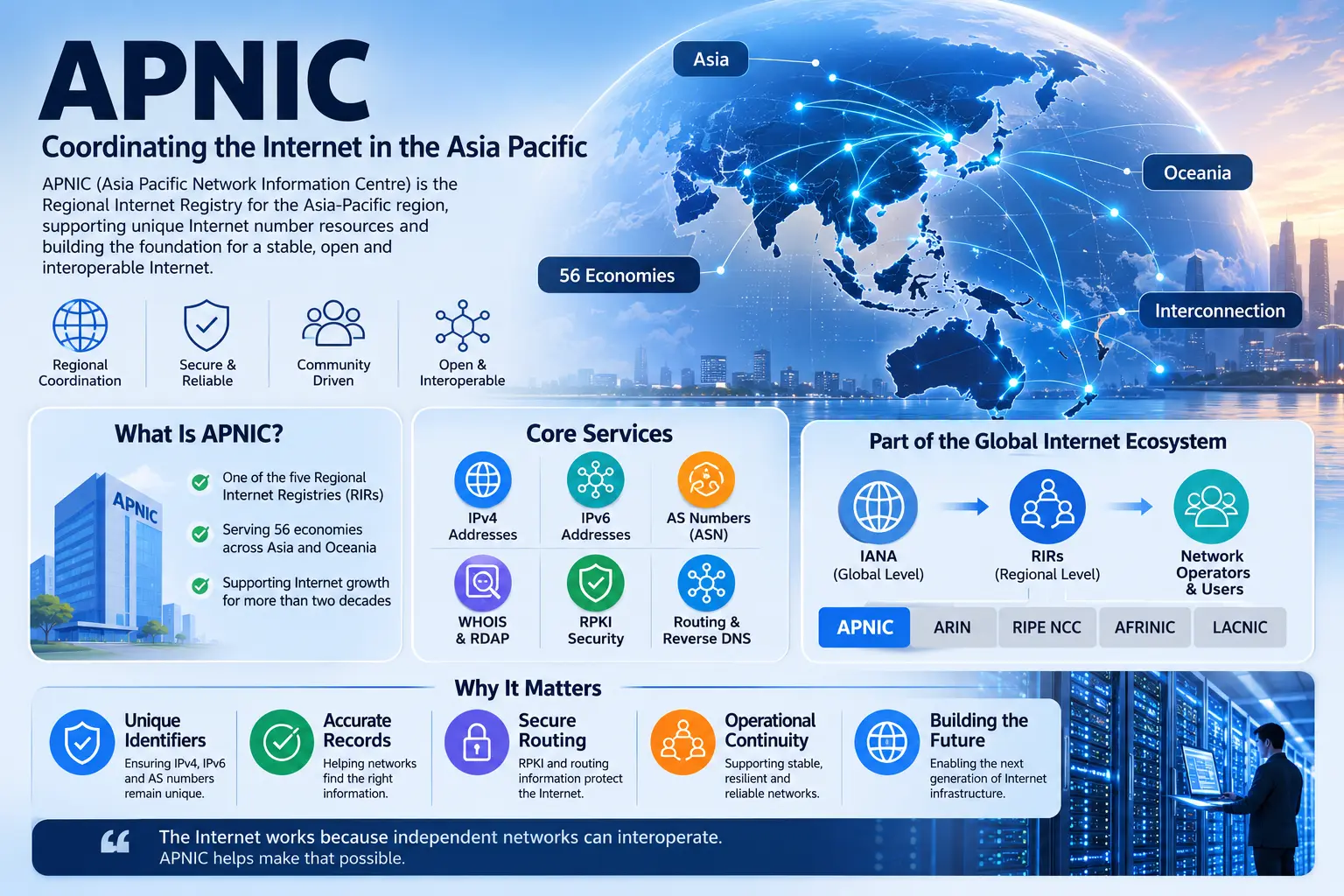
But IPv4 addresses do not exist like ordinary physical assets. They exist inside the Internet number registry system. That system is governed by Regional Internet Registries, membership rules, contracts, policies, audits, renewals, dispute procedures, and administrative decisions.
That means the buyer may not be purchasing unrestricted property.
Instead, the buyer may be acquiring a position inside a registry framework.
This distinction matters because registry registration and operational control are not the same thing.
A company may appear as the holder of a resource, but still depend on registry policies, contractual obligations, renewal requirements, routing arrangements, and provider support to actually use that resource in production.
So the better question is not only:
“Can we buy IPv4 addresses?”
The better question is:
“Can we keep using these IPv4 addresses when our network, provider, cloud, or infrastructure changes?”
That is the real control companies need.
Why IPv4 Ownership Can Create False Confidence
The word “buy” creates comfort.
It suggests finality. It suggests independence. It suggests that the company has removed risk by turning a technical dependency into an owned asset.
But this comfort can be misleading.
This false comfort is especially visible in today’s IPv4 market, where the language of “buying” addresses can make companies believe they are acquiring full control when they may only be entering a registry-dependent position. For a sharper critique of this market dynamic, see why buying IP addresses today is a scam and how telecoms could become trillion-dollar companies.
In practice, buying IPv4 addresses may still leave the company exposed to several layers of risk:
Registry policy changes
Contract renewal obligations
Audit and documentation requirements
Governance decisions
Dispute procedures
Routing dependencies
Provider support limitations
Operational migration risk
This does not mean buying IPv4 addresses is always wrong.
For some companies, it may be useful.
But it does mean that buying IPv4 addresses should not be confused with guaranteed continuity.
A company can buy an IPv4 block and still struggle to move it between providers.
It can hold the registration and still face routing complexity.
It can place the resource under its own name and still carry registry-layer risk directly inside the operating company.
It can spend capital on IPv4 addresses and still fail to solve the bigger business issue: keeping the same trusted public network identity over time.
The Real Cost Is Not the IP Address. It Is Renumbering.
Most companies begin with the wrong question.
They ask:
“How much does the IP address cost?”
But for business-critical addresses, the better question is:
“What would it cost to change this IP address?”
That cost is often much higher than expected.
Renumbering can affect customers, partners, suppliers, firewalls, banks, APIs, compliance teams, cloud environments, security policies, and operational workflows.
Changing a trusted IP address may require:
Customer allowlist updates
Partner coordination
Firewall rule changes
Supplier system changes
Banking access reviews
API endpoint updates
Compliance documentation changes
Cloud migration work
Security policy reviews
Change windows and downtime planning
This is why some IPv4 addresses become more than network capacity.
They become part of how the outside world recognises the business.
Once that happens, changing the number is no longer a simple network task.
It becomes a business continuity event.
When an IPv4 Address Becomes Business Identity
Not every IPv4 address deserves the same level of protection.
Some addresses are disposable. They support temporary workloads, test environments, short-lived servers, or cloud deployments that can be moved with little external impact.
Those addresses should be treated like capacity.
But some addresses become embedded into the external memory of a business.
They are the addresses customers trust.
They are the addresses partners document.
They are the addresses suppliers whitelist.
They are the addresses banks recognise.
They are the addresses security teams use to identify known systems.
They are the addresses compliance teams include in operating procedures.
At that point, the IPv4 address becomes public network identity.
This is especially important for:
SaaS platforms
API companies
Fintech businesses
Regulated suppliers
Enterprise offices
Secure private offices
Family offices
Data platforms
Cloud migration projects
MSSPs and SASE providers
Partner-facing infrastructure
Payment systems
Privileged user networks
For these use cases, the company does not only need an IP address.
It needs identity continuity.
Why Direct IPv4 Ownership Can Move Risk Into the Company
Some companies buy IPv4 addresses because they want independence from providers.
They do not want their public identity tied to an ISP, cloud provider, data center, or managed service provider.
That goal makes sense.
Provider-assigned IP addresses can create lock-in. If the company leaves the provider, it may lose the addresses. If customers and partners already trust those addresses, leaving the provider becomes painful.
Buying IPv4 addresses appears to solve this.
But it can create another issue.
The company may move the risk from the provider layer into the registry layer.
Instead of depending on a provider’s IP address pool, the company now directly carries registry-layer responsibilities and exposure. That may include contract compliance, policy risk, renewal requirements, audit obligations, governance uncertainty, and dispute risk.
For ordinary capacity, this may be manageable.
For identity-critical infrastructure, it may be the wrong place to carry risk.
The company may believe it has removed dependency.
In reality, it may have placed a business-critical network identity under a registry relationship that the operating company must now manage directly.
Why Ordinary IPv4 Leasing May Not Solve the Problem
IPv4 leasing can be useful.
It helps companies access scarce address space without buying it outright. It can reduce capital cost and provide flexibility.
But ordinary IPv4 leasing does not automatically solve the identity continuity problem.
A basic lease may answer the question:
“Can we use this address?”
But it may not answer the more important question:
“Can we keep using this address when our delivery provider changes?”
That is the difference between leasing IP capacity and carrying network identity.
A broker may source addresses.
A provider may route addresses.
A cloud platform may assign addresses.
A data center may announce addresses.
But none of those actions alone guarantees that the company can keep the same public network identity when infrastructure changes.
This is the gap LARUS One is designed to address.
Why Provider-Assigned IP Addresses Create Lock-In
Provider-assigned static IP addresses are common.
They are easy to understand. The provider supplies the connection and gives the customer an IP address. The customer uses it for office egress, servers, VPNs, firewalls, APIs, or remote access.
This works until the IP address becomes important.
Once customers, partners, banks, suppliers, and security systems trust the provider-assigned address, the provider becomes part of the company’s identity layer.
That creates lock-in.
The company may want to change broadband providers, move data centers, change SASE platforms, replace a firewall vendor, migrate to another cloud, or appoint a new managed IT provider.
But if the public IP address belongs to the old provider, the company may be forced to renumber.
That means the provider is not just delivering the network.
The provider is holding the identity.
For sophisticated companies, this is a problem.
They want to choose providers based on service quality, latency, support, price, coverage, security integration, and execution.
They do not want their public network identity trapped inside a provider relationship.
The Better Model: Separate Identity From Delivery
The key idea behind LARUS One is simple:
The delivery layer can change.
The identity layer should remain stable.
A company may change broadband providers.
It may change clouds.
It may change firewalls.
It may change data centers.
It may change SASE platforms.
It may change managed service providers.
It may change carriers.
That is normal.
But the public network identity that customers and partners already trust should not have to change every time the delivery layer changes.
LARUS One formalises this separation.
The customer contracts with LARUS for public network identity continuity.
The customer separately chooses the delivery provider for access, broadband, DIA, cloud connectivity, SASE, data center service, managed firewall, local routing, support, or implementation.
This gives the customer more freedom.
The provider delivers the network.
LARUS anchors the identity.
The customer keeps continuity.
For a deeper explanation of how this model connects customer continuity with partner economics, read more about the economics of network identity, customer continuity, and provider revenue.
Why a /24 Is Not the Product
Many people think of IPv4 in terms of blocks and subnets.
For example, a /24 is often treated as a standard technical unit for routing and deployment.
But in the LARUS One model, the /24 is not the product.
The product is the continuity of the identity that the address space enables.
LARUS One is built around the concept of an Identity Location.
An Identity Location is a business-critical public network edge where customers, partners, security systems, or infrastructure providers recognise a company by its public network identity.
That identity may be backed by routable IPv4 resources, but the value is not simply the subnet.
The value is continuity.
The question is not:
“How many IP addresses are in the block?”
The question is:
“How many business relationships depend on this identity not changing?”
How to Measure the Real Value of IPv4 Control
Companies should not price identity-critical IPv4 only by address count.
They should price it by dependency.
Useful questions include:
How many customers know this IP address?
How many partners trust this address?
How many suppliers have whitelisted it?
How many firewall rules depend on it?
How many APIs use it?
How many servers rely on it?
How many compliance documents mention it?
How many banking systems recognise it?
How many cloud regions would need reconfiguration?
How much revenue depends on this identity staying stable?
The more external systems depend on the address, the more expensive it becomes to change.
Once the cost of renumbering exceeds the cost of continuity, a continuity structure becomes rational.
That is why IPv4 identity should not be valued only as scarce capacity.
It should be valued as operational memory.
Public Network Identity Does Not Mean Public Exposure
Some companies may hear “public network identity” and assume it means exposing more infrastructure to the Internet.
That is not the point.
Public network identity does not mean every user, device, or server is open to the public Internet.
It means the business can assign stable, accountable, recognisable public identity to the systems and locations that require it.
That identity can still be governed by:
Firewalls
SASE
Zero Trust policies
Routing controls
Segmentation
Access controls
Security monitoring
Compliance procedures
The goal is not exposure.
The goal is continuity, accountability, and recognition.
This matters for production servers, APIs, payment systems, regulated workflows, secure offices, private residences, privileged users, supplier integrations, and cloud egress points.
Why LARUS One Is Different From Ordinary IP Leasing
LARUS One is not simply a more expensive version of IPv4 leasing.
It is not a static IP package.
It is not a brokered subnet wrapped in enterprise language.
It is a public network identity structure.
Ordinary IPv4 leasing focuses on access to numbers.
LARUS One focuses on continuity of identity.
That difference matters because a company with identity-critical addresses does not only need the ability to use an IP address today.
It needs confidence that the address can remain usable when the network around it changes.
The customer should be able to change delivery providers without rebuilding external trust from zero.
That is the difference between renting capacity and protecting identity.
To learn more about the product structure, visit LARUS One.
What Companies Should Ask Before Buying IPv4 Addresses
Before buying IPv4 addresses, companies should ask deeper questions than price and availability.
They should ask:
Will this address become part of our business identity?
Who controls the registry relationship?
What happens if registry policy changes?
What happens if our provider changes?
Can we route this address across different delivery partners?
Will customers or partners need to update allowlists if we move?
What is the cost of renumbering?
Does direct ownership create more operational risk?
Is the address just capacity, or is it continuity-critical?
Who is responsible for guaranteeing continuity of use?
These questions help companies avoid the false comfort of buying IPv4 addresses without understanding the full control structure.
The Real Meaning of IPv4 Control
True IPv4 control is not just having a name in a registry.
It is not just owning a block on paper.
It is not just receiving a Letter of Authorization.
It is not just getting a provider to route the number.
True control means the company can continue using the public network identity its business depends on.
Even when the provider changes.
Even when the cloud changes.
Even when the data center changes.
Even when the firewall changes.
Even when the SASE architecture changes.
Even when the company expands into new locations.
For serious networks, continuity of use is the control that matters.
Conclusion: Companies Do Not Just Need IPv4 Addresses. They Need Continuity.
Buying IPv4 addresses may give companies access to scarce resources.
But it may not give them the control they think they have.
The company may still depend on registry rules, provider support, routing arrangements, policy frameworks, renewal obligations, and operational processes.
For ordinary IP capacity, that may be acceptable.
For business-critical public network identity, it is not enough.
Once an IPv4 address becomes trusted by customers, partners, suppliers, banks, security systems, and compliance teams, the address becomes embedded into the memory of the business.
At that point, the company does not simply need to own an address.
It needs to keep using the address.
That is why the future of IPv4 is not only about scarcity.
It is about continuity.
LARUS One exists for companies, partners, offices, private clients, networks, APIs, and infrastructure locations that cannot tolerate renumbering.
Because the real question is no longer:
“Who can sell us IPv4 addresses?”
The real question is:
“Who can guarantee that our public network identity remains usable when the network around it changes?”
That is the difference between buying IP and carrying identity.
That is the difference between access and continuity.
That is the reason LARUS One exists.
FAQs
Not always. Buying IPv4 addresses may give a company a registration position, but that position still exists within a registry framework governed by policies, contracts, renewals, audits, and administrative rules. Registration is not always the same as complete operational control.
Buying IPv4 addresses can make a company feel independent, but the company may still depend on registry policy, routing support, provider cooperation, and operational continuity. The company may remove one dependency while creating another.
The biggest risk is renumbering. If customers, partners, banks, suppliers, firewalls, APIs, or compliance documents already depend on an IP address, changing it can create business disruption, downtime, support work, and loss of trust.
An IPv4 address becomes network identity when external parties begin to recognise and trust it. This can include customer allowlists, supplier systems, banking platforms, partner documentation, firewall rules, and security policies.
Ordinary IPv4 leasing provides access to IP addresses. LARUS One provides a continuity structure for public network identity. It is designed for locations, systems, and networks that cannot renumber without business impact.