
What Is Internet Governance? Exploring the Landscape of Internet Governance
The Internet connects billions of people, businesses, devices, and networks across national borders, yet no single government, company, or organisation controls it.
Internet governance refers to the principles, processes, standards, policies, and institutions that shape how the Internet operates and evolves. It covers everything from domain names and IP addresses to technical standards, cybersecurity, privacy, digital access, competition, and the responsibilities of governments, businesses, technical communities, and Internet users.
What is Internet Governance?
Internet governance is the collective system through which stakeholders develop and apply rules, standards, policies, and practices affecting the Internet.
Unlike a traditional telecommunications network operated by a single authority, the Internet is a global network of autonomous networks. Internet service providers, cloud companies, enterprises, universities, governments, content platforms, data centres, and other operators connect their systems using common technical standards.
Because no single organisation operates the entire Internet, governance is distributed across different institutions and communities.
Some deal primarily with technical standards. Others coordinate unique Internet identifiers such as domain names and IP addresses. Governments establish laws affecting users and businesses, while international forums allow stakeholders to discuss wider public-policy questions.
This distributed structure is one of the Internet’s defining characteristics.
Why Does Internet Governance Matter?
- how domain names are coordinated;
- how IP addresses and Autonomous System Numbers are distributed;
- how networks exchange traffic;
- how technical protocols evolve;
- how cybersecurity incidents are addressed;
- how personal data is protected;
- how online services comply with national law;
- how competition and digital markets develop;
Key Stakeholders in Internet Governance
The governance of the Internet involves a wide array of stakeholders: governments, private sector entities, civil society, and international organizations. Each plays a crucial role in shaping the policies that govern the internet. For instance, governments may focus on issues like cybersecurity and law enforcement, whereas civil society groups may prioritize human rights and freedom of expression. Meanwhile, the private sector often handles the technical and operational aspects of the internet infrastructure.
Main Areas of Focus
Internet governance covers several key areas:
- Cybersecurity and Safety: Ensuring the safety of internet infrastructure and the users who depend on it.
- Data Protection and Privacy: Implementing policies to protect data privacy as internet usage increases.
- Digital Access and Inclusion: Promoting equitable access to the internet, particularly in underserved or rural areas.
- Technical Standards: Developing and implementing technical standards that ensure network interoperability and stability.
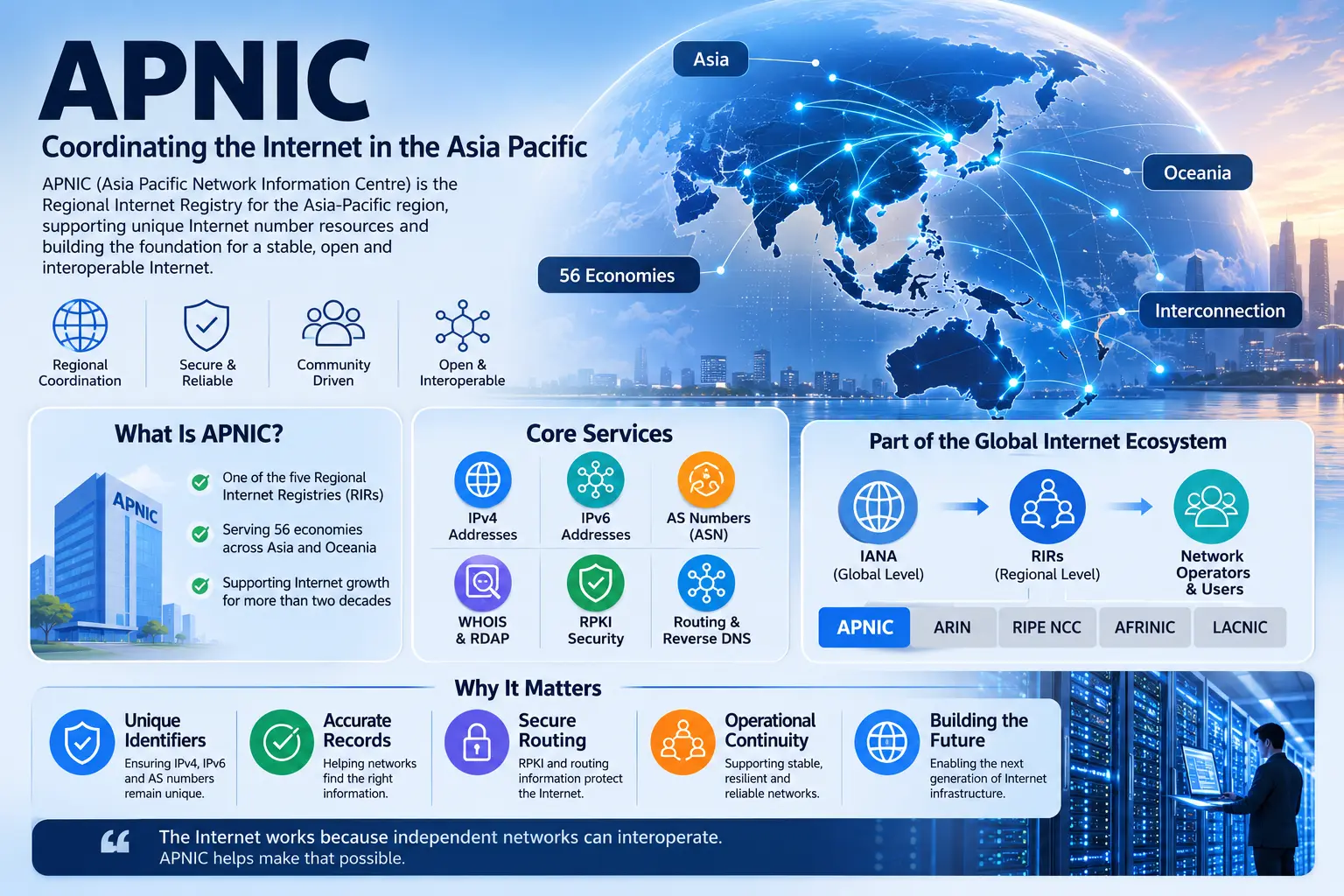
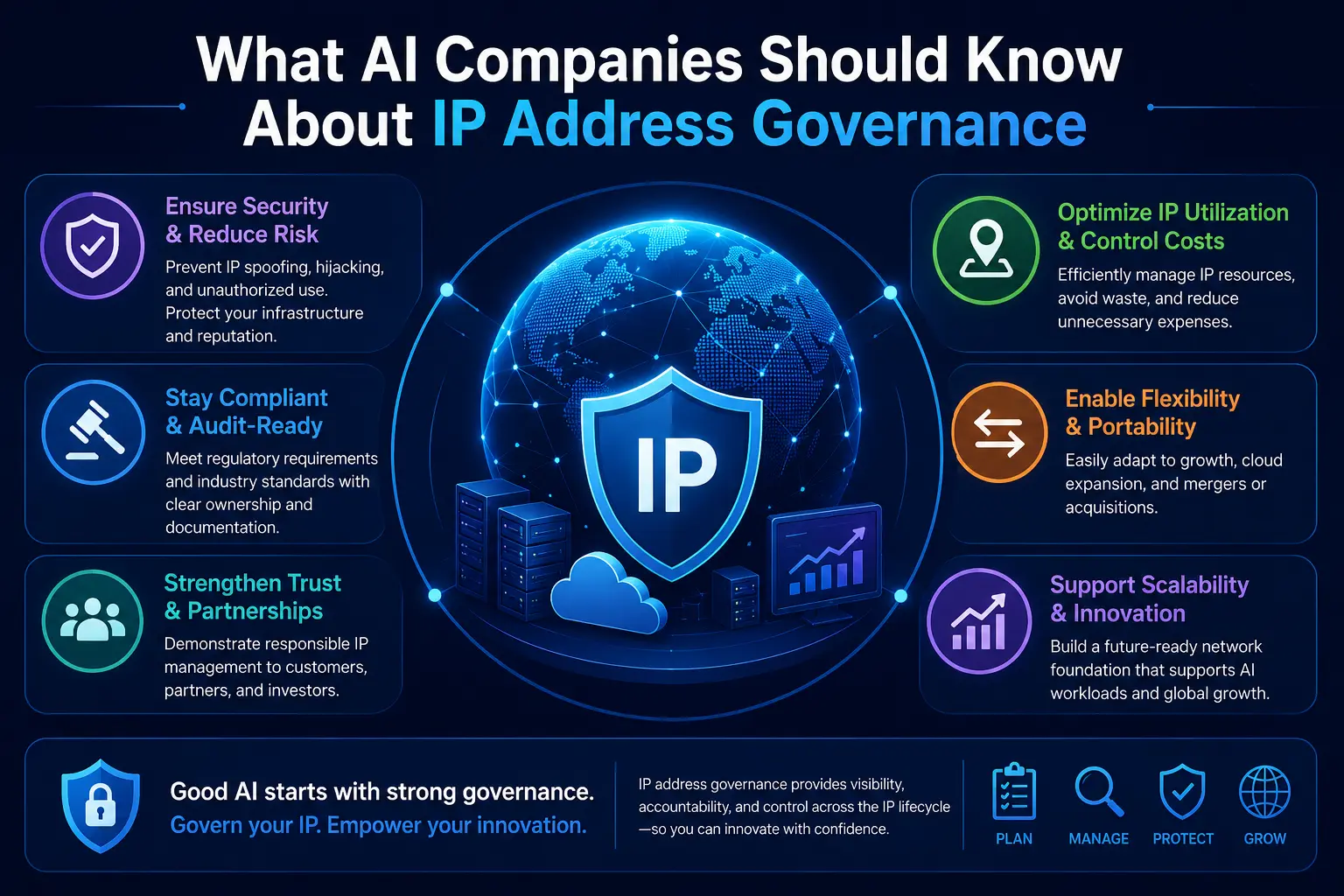
- Resource Allocation: Managing critical resources like domain names and IP addresses.
Governance Frameworks and Bodies
Various organizations and frameworks contribute to Internet governance. The Internet Corporation for Assigned Names and Numbers (ICANN) is responsible for managing domain names and IP addresses. The Internet Governance Forum (IGF), set up by the United Nations, serves as a discussion platform for issues of Internet governance. The World Wide Web Consortium (W3C) develops protocols and guidelines that ensure the long-term growth of the Web.
Challenges in Internet Governance
One of the primary challenges of internet governance is the need for a balanced approach that considers diverse global perspectives. Issues such as censorship, the digital divide, and data sovereignty complicate consensus-building. Additionally, the rapid evolution of technology often outpaces the ability of governance structures to adapt, creating gaps in regulations.
Another challenge is ensuring that governance structures themselves do not become tools for power consolidation by a few dominant stakeholders, thus maintaining the internet’s foundational principle of decentralization.
The Path Forward
As the internet continues to grow and evolve, effective governance will require continued collaboration and open dialogue among all stakeholders. It is essential to foster an inclusive environment where every voice, from government to the individual user, can contribute to the decision-making process. This approach will help address the current challenges and pave the way for a resilient and equitable internet for future generations.
By embracing a comprehensive and cooperative framework, internet governance can adapt to emerging challenges and ensure that the internet continues to thrive as a global platform for innovation and communication.
The Future of Internet Governance
Internet governance will become more important as more economic and social activity depends on digital infrastructure.
The challenge will be preserving what made the Internet successful in the first place: interoperability between independently operated networks.
That requires coordination without assuming that coordination must become centralised control.
It requires institutions, but also accountability.
It requires policy, but also technical reality.
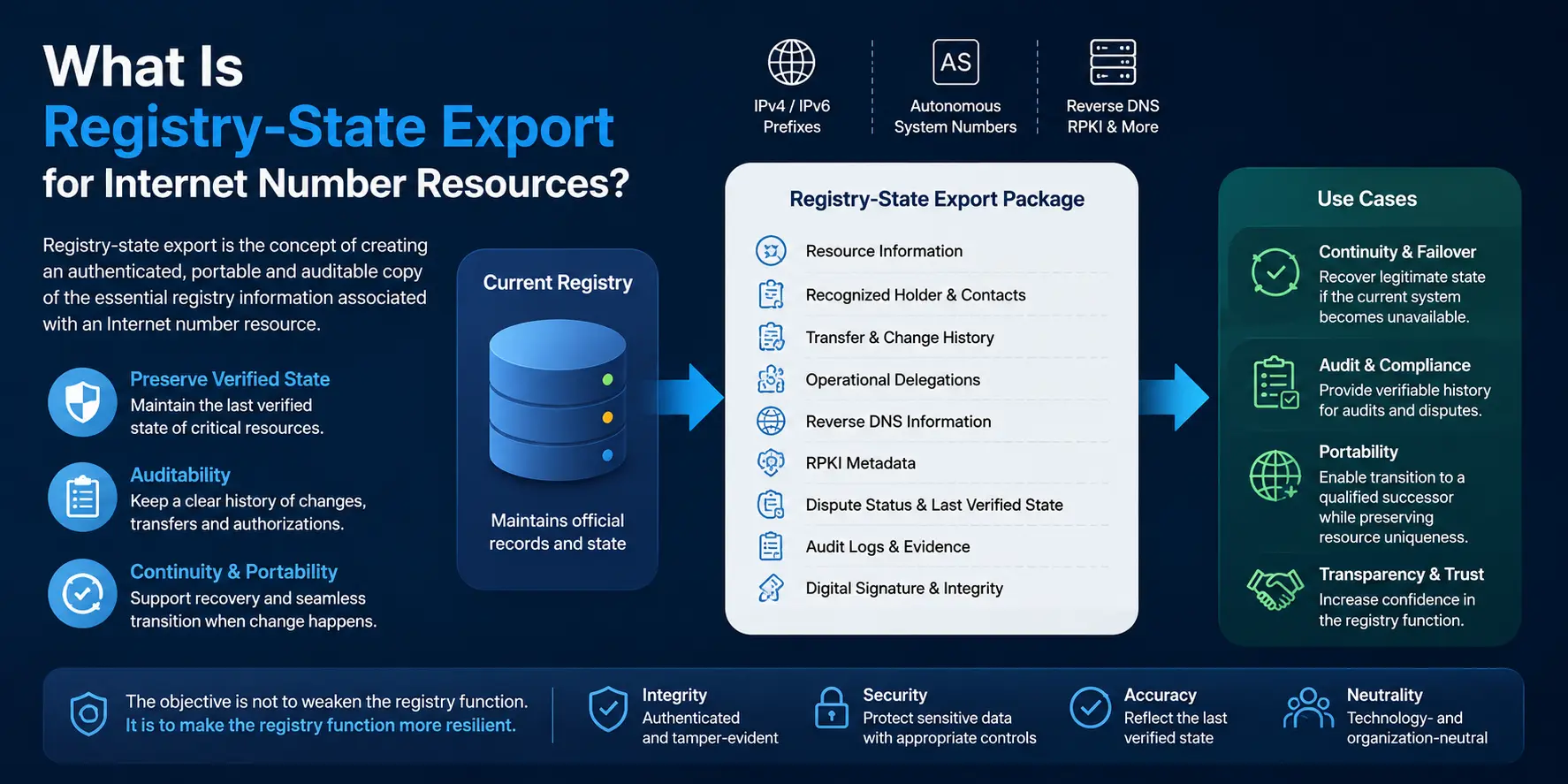
It requires reliable registries, but also recognition that a registry entry can support infrastructure far beyond the registry database itself.
And it requires governance systems capable of surviving disagreement, institutional instability, technological change, and commercial pressure without unnecessarily disrupting the networks they are intended to support.
The Internet has never been one organisation.
Its resilience comes from the ability of many independent actors to cooperate through shared technical systems.
Good Internet governance should strengthen that property rather than weaken it.
Frequent Asked Questions
Internet governance is the collection of rules, standards, organisations, policies, and processes that influence how the Internet operates and develops. It involves governments, technical organisations, businesses, civil society, researchers, network operators, and users.