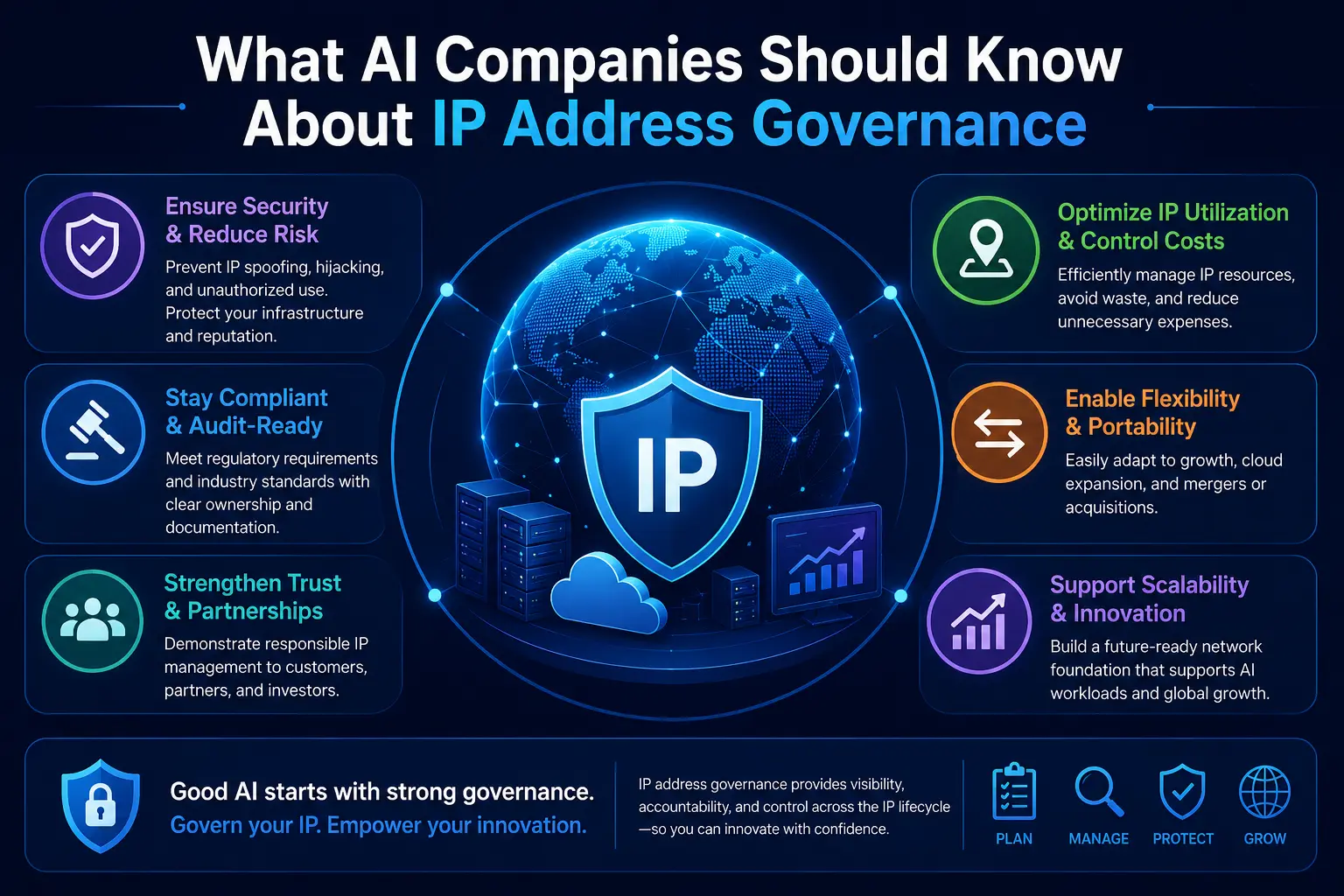
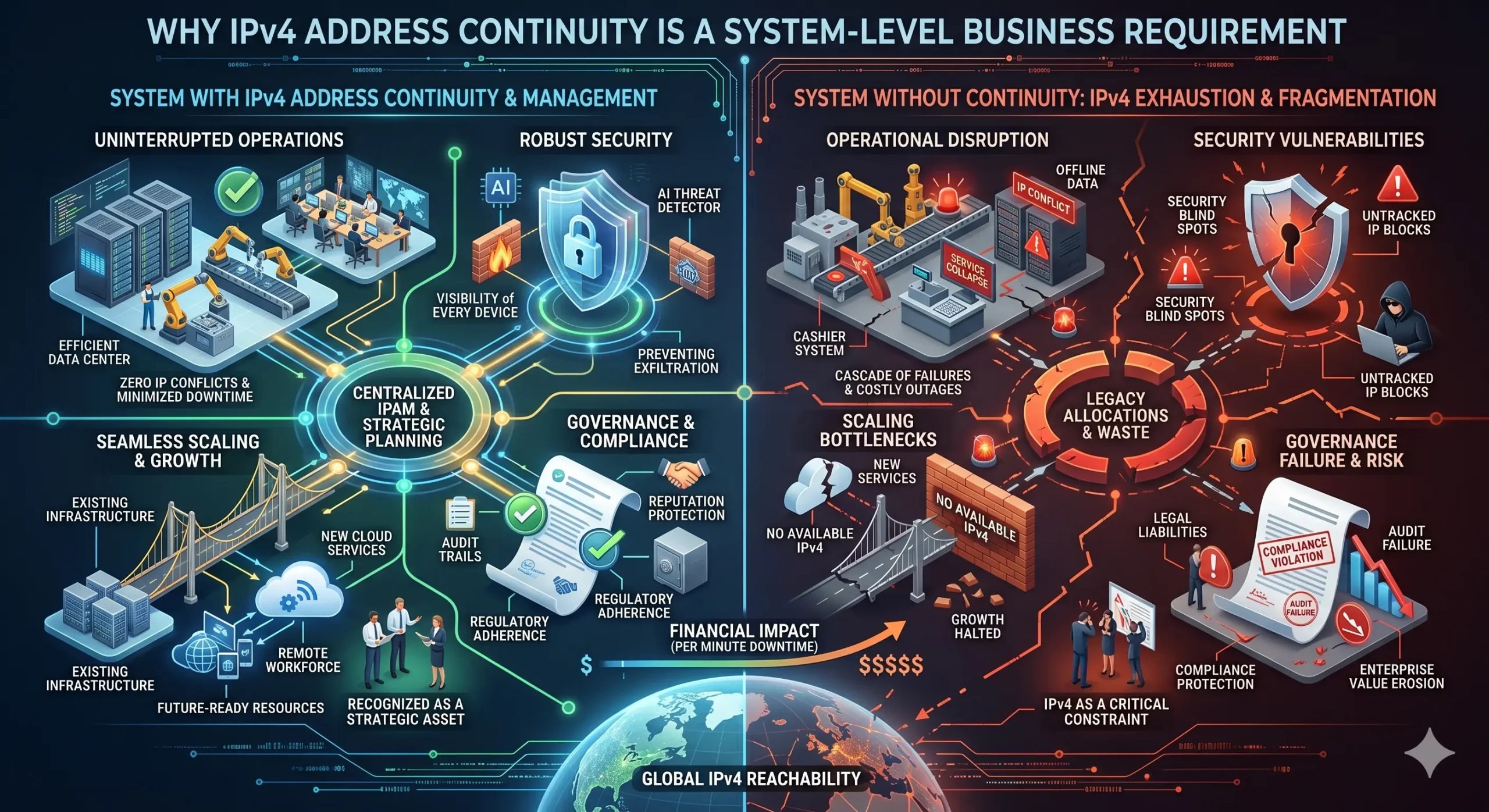
Why IPv4 address continuity is becoming a system-level business requirement
IP address continuity is shifting from technical configuration to strategic necessity as businesses confront risk, resilience, and digital dependency challenges.
Key points
IPv4 addresses remain commercially valuable, but possession alone does not guarantee stable long-term connectivity or transfer flexibility.
Strong continuity planning combines ip address ownership, registry hygiene, routing authority, security controls and measured IPv6 adoption.
Introduction: the hidden dependency behind digital business
Modern enterprises rely on infrastructure layers they rarely see. Among the least visible—but most critical—is the continuity of IP identity.
For years, IP addresses were treated as interchangeable network parameters. If one changed, another could be assigned. That assumption no longer holds. In a digital economy built on persistent connections, automated trust relationships, and tightly controlled access environments, IP address continuity has become inseparable from business continuity.
What has changed is not the technology itself, but the degree of dependence. Applications, security systems, and customer-facing services now assume stability at the network identity level. When that stability breaks, the consequences ripple across entire organisations.
IP address continuity: more than a networking concept
At a technical level, IP address continuity refers to maintaining a consistent, persistent address identity over time. Traditionally, this has been achieved through static IP allocation or reserved addressing within networks.
However, the modern interpretation is broader. Continuity now implies:
Predictable identity across sessions and environments
Persistent association with services, users, and systems
Control over address lifecycle, not just assignment
This shift reflects a deeper reality: IP addresses are no longer just routing tools—they are embedded in authentication systems, compliance frameworks, and operational logic.
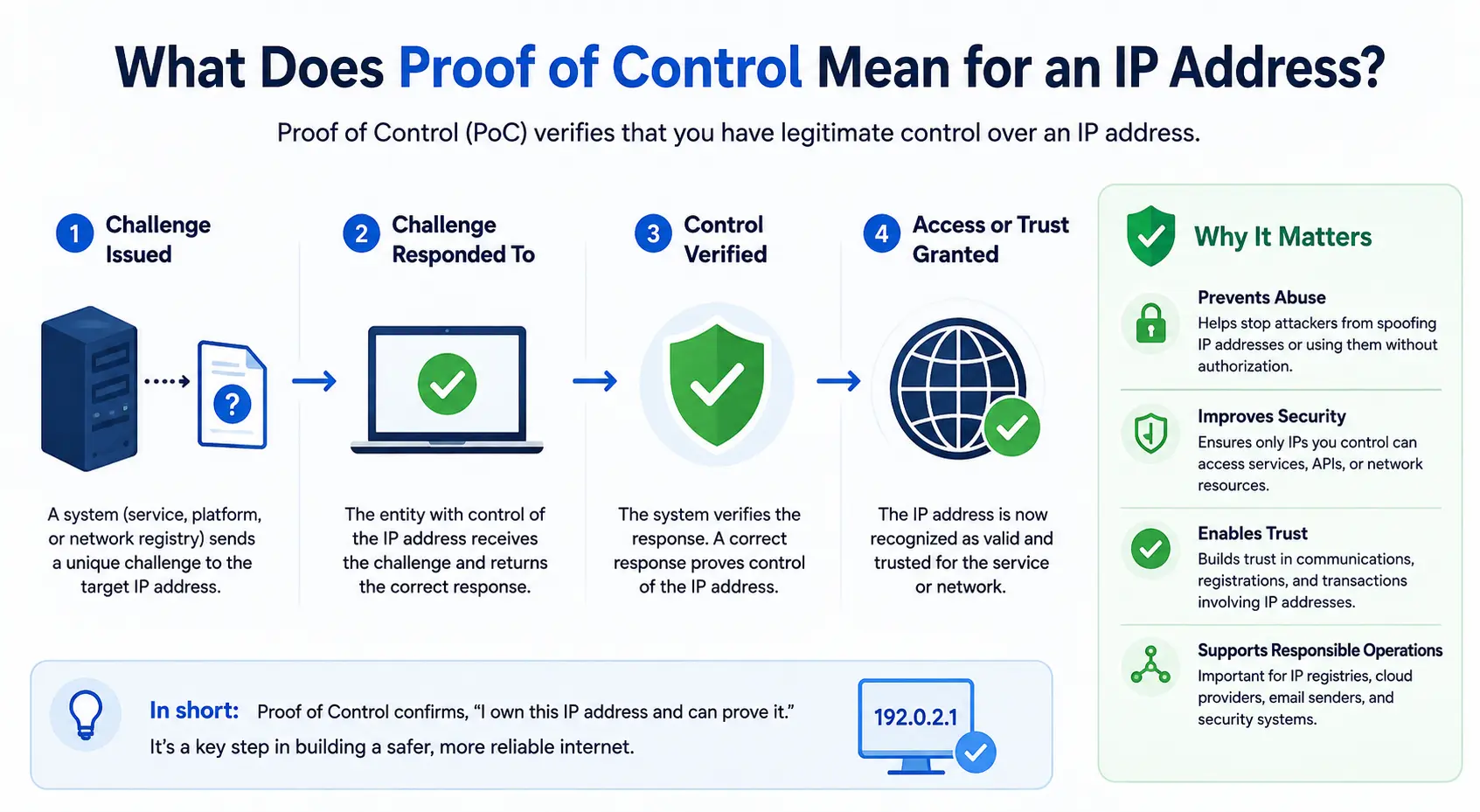
In effect, an IP address has become a point of trust. And trust, once broken, is costly to rebuild.
From ownership illusion to dependency reality
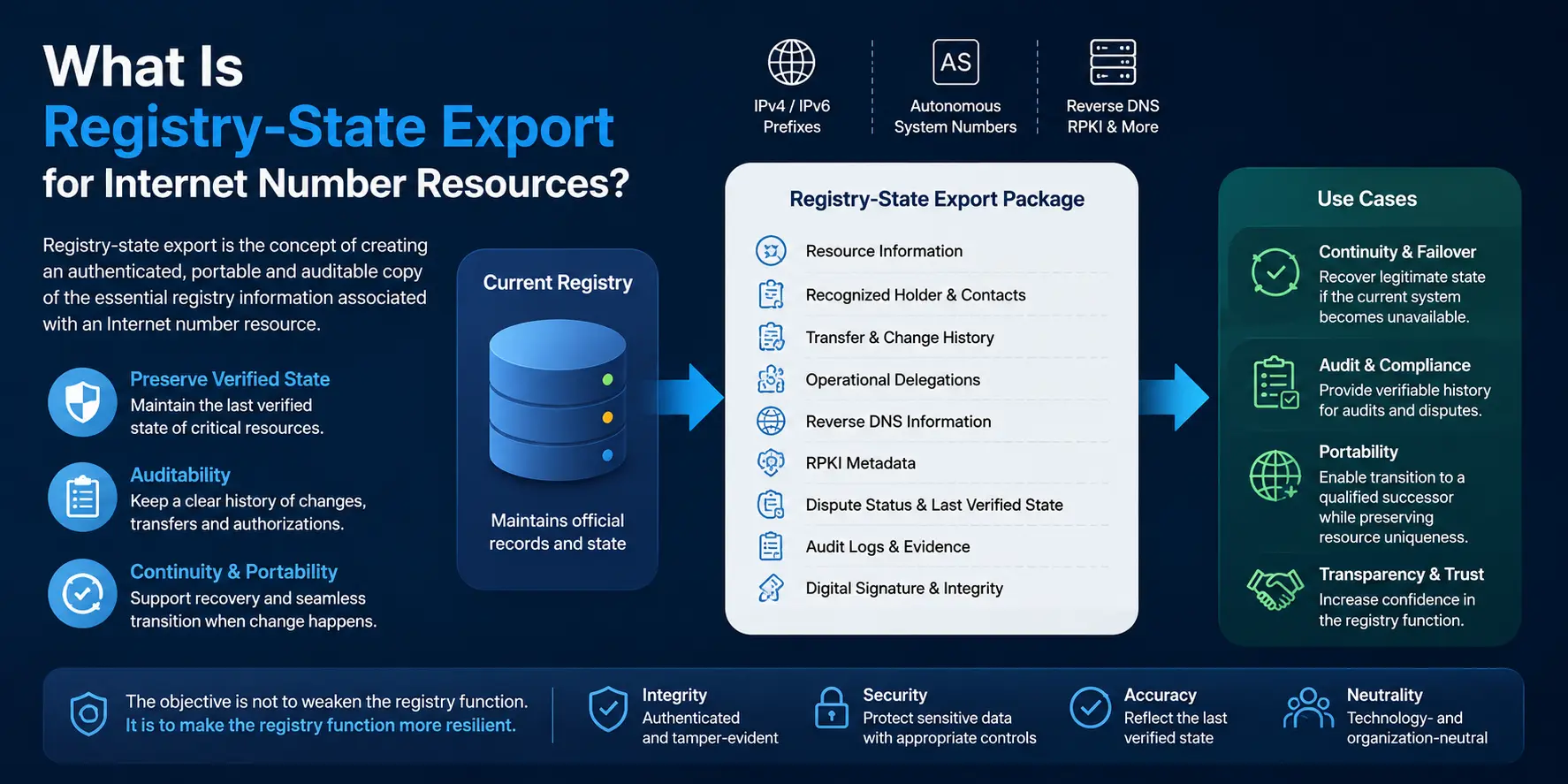
One of the most important—but often overlooked—developments in the IP ecosystem is the recognition that organisations do not truly “own” IP addresses in the traditional sense.
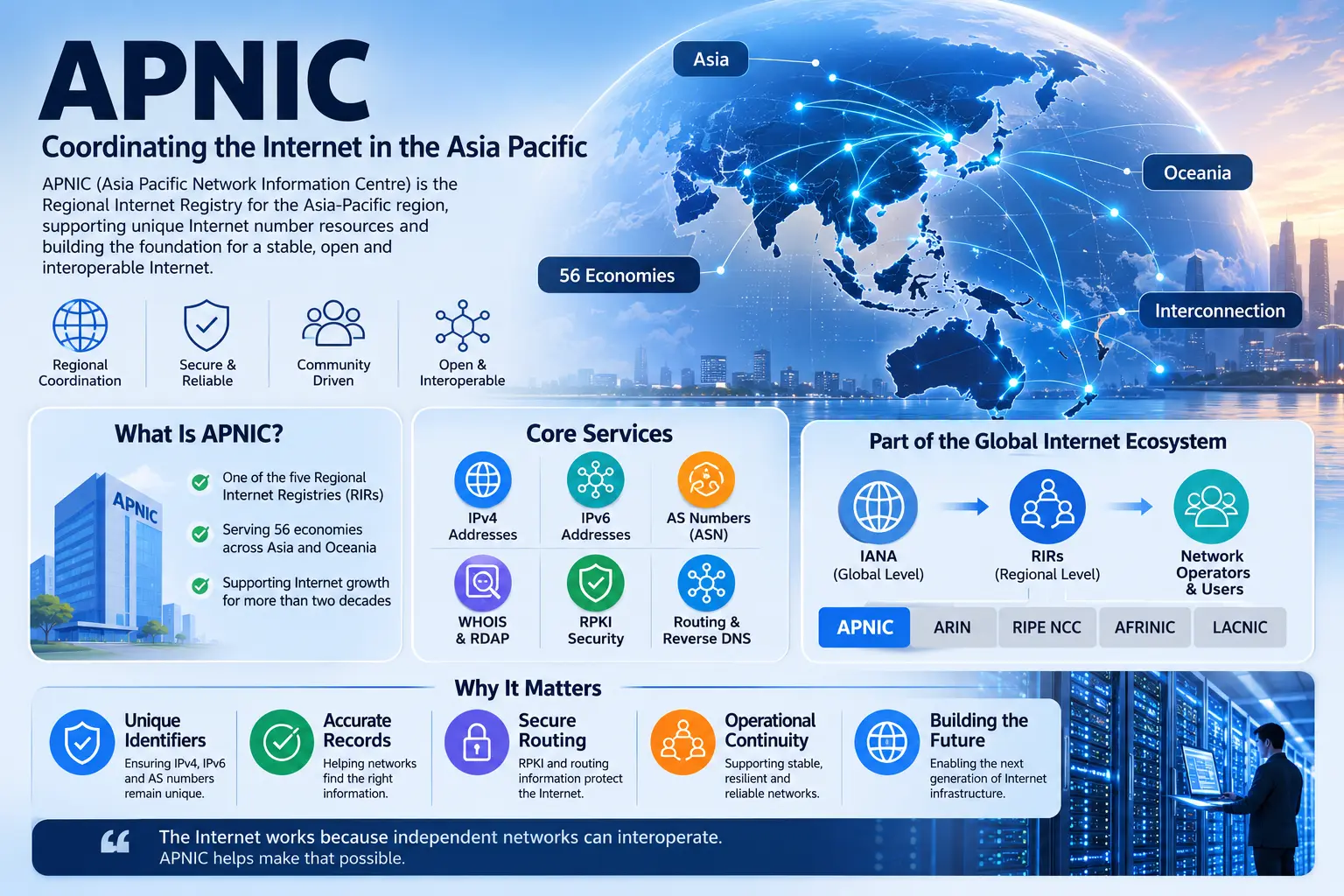
Instead, IP resources exist within a framework governed by regional registries, contractual allocations, and policy rules. Access to IP space depends on ongoing compliance with these structures.
This introduces a structural dependency: the continuity of an organisation’s IP identity is contingent on external governance conditions.
For businesses, this creates a new category of risk. It is no longer sufficient to secure infrastructure internally; companies must also ensure that their right to use specific IP resources remains uninterrupted over time.
In practical terms, the risk is not simply losing an address—it is losing the continuity of systems built around that address.
The real cost of disruption: beyond the IP itself
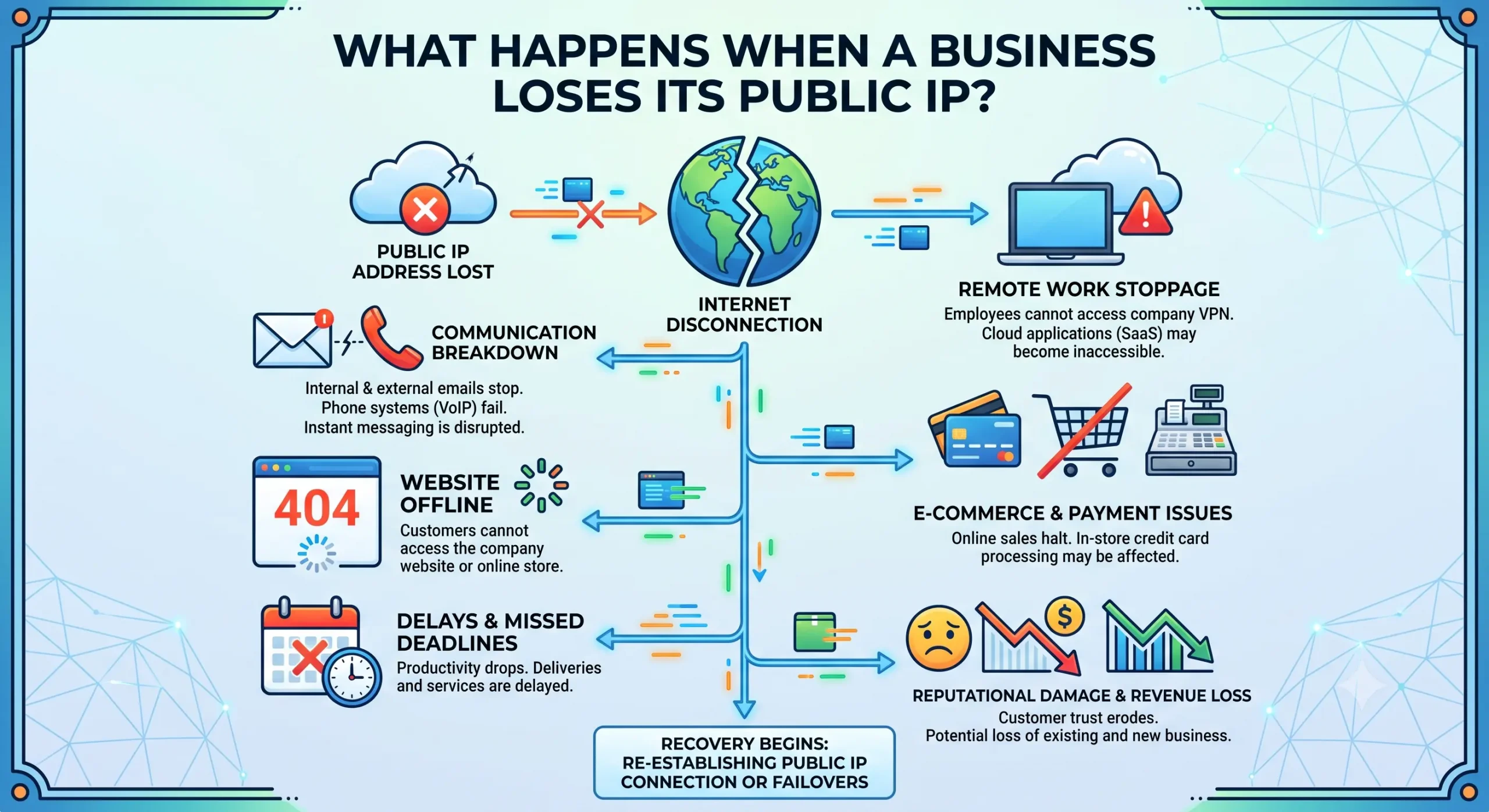
When IP continuity is broken, the impact extends far beyond a single configuration change.
Reassigning or renumbering IP addresses can trigger:
Reconfiguration of firewalls and access control lists
Failure of IP-based authentication systems
Disruption to API integrations and partner connections
Downtime for customer-facing services
Loss of established IP reputation (e.g. email deliverability)
The operational burden of restoring these systems often outweighs the nominal value of the IP resource itself.
In this context, continuity becomes less about preserving an address and more about avoiding cascading operational failure.
Security architectures depend on stable identity
Cybersecurity has accelerated the importance of IP continuity. Many enterprise security models still rely heavily on network-level identity controls.
Common practices include:
IP whitelisting for sensitive systems
Firewall rules bound to fixed address ranges
Monitoring based on IP behaviour patterns
Segmentation policies tied to network identity
In such environments, changing IP addresses introduces instability. Security policies must be updated, validated, and redeployed—often under time pressure.
A stable IP foundation, by contrast, allows organisations to enforce consistent controls with confidence. It reduces configuration drift and strengthens the integrity of defensive systems.
Even in zero-trust architectures, where identity moves beyond the network layer, IP continuity remains an important contextual signal.
Remote work and distributed infrastructure intensify the need
The rise of hybrid work and distributed operations has made network identity more complex—and more critical.
Employees, systems, and devices now connect from multiple locations, often through layered infrastructures such as VPNs, cloud gateways, and edge networks. Maintaining consistent access in this environment depends on stable endpoints.
Without continuity:
Remote access policies become difficult to enforce
Connections may fail due to mismatched authentication conditions
IT teams face increased overhead managing exceptions
With continuity:
Access rules remain consistent
Connections are predictable
Operational friction is reduced
As organisations scale globally, this consistency becomes essential for maintaining productivity and control.
Cloud and multi-cloud: flexibility meets fragility
Cloud computing introduces both opportunity and risk for IP continuity.
On one hand, cloud platforms offer mechanisms such as reserved IPs and elastic addressing to support persistence. On the other, the dynamic nature of cloud infrastructure means that IP identities can change frequently unless deliberately managed.
In multi-cloud environments, the challenge becomes even greater. Services span multiple providers, each with different addressing models and lifecycle behaviours.
To maintain continuity, organisations increasingly adopt strategies such as:
Abstracting IP identity through virtual layers
Using leased or portable IP resources
Designing architectures that decouple services from underlying infrastructure
These approaches reflect a growing recognition that continuity must be engineered, not assumed.
IP scarcity and the rise of continuity as a service
The exhaustion of IPv4 space has transformed IP addresses into scarce, valuable resources. Organisations can no longer rely on abundant supply; they must actively manage acquisition, allocation, and retention.
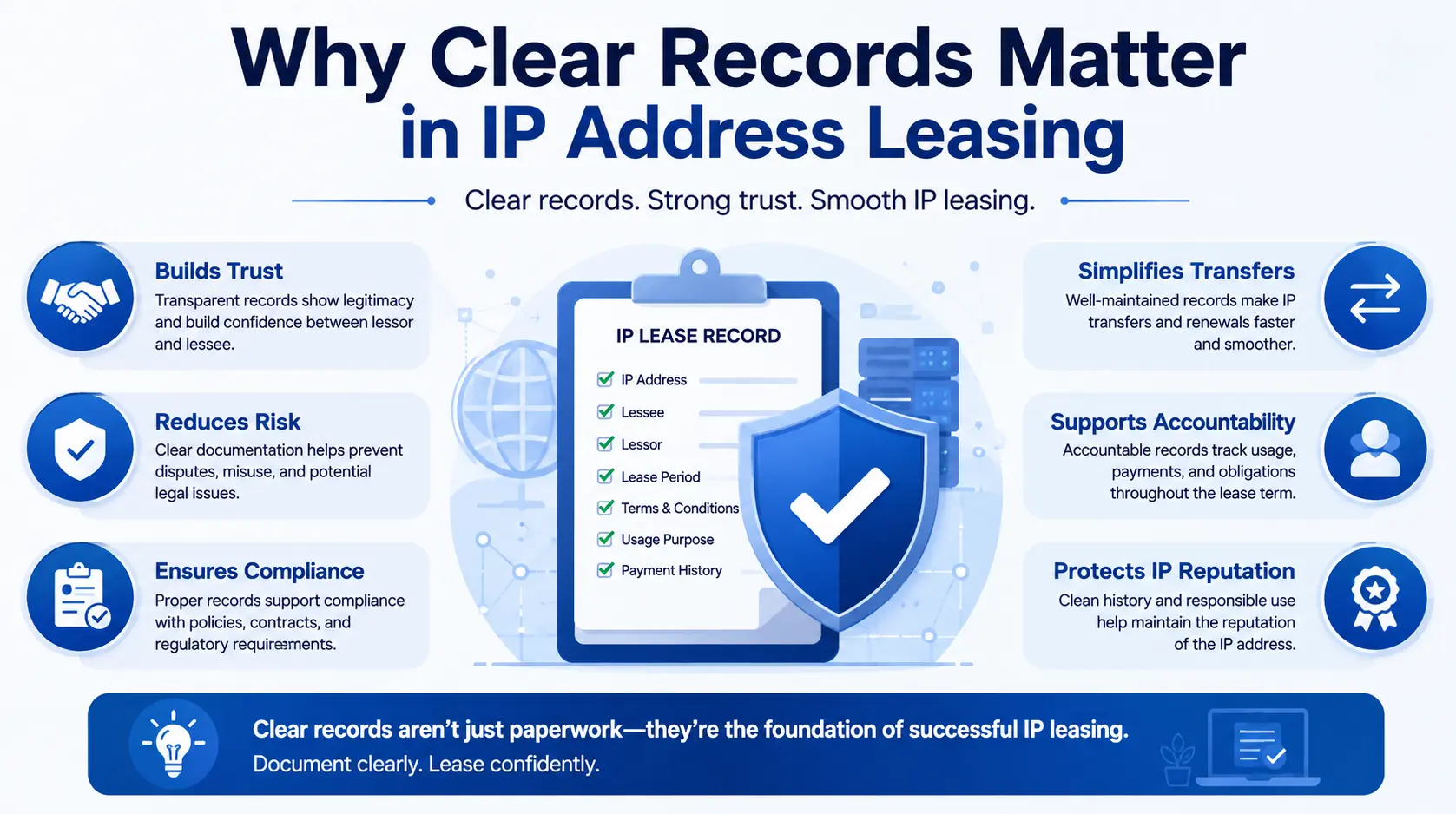
This has led to the growth of IP leasing markets, where businesses obtain address space through contractual arrangements rather than direct allocation.
In this model, a new priority emerges: guaranteed continuity of access.
It is not enough to obtain IP resources temporarily. Businesses require assurance that those resources will remain available over time, without unexpected interruption.
This has driven the development of more structured approaches to IP lifecycle management, including:
Long-term leasing agreements
Renewal guarantees
Policy-compliant allocation strategies
Here, continuity becomes a defined outcome—something that can be planned, managed, and, increasingly, expected.
Operational simplicity and organisational efficiency
While risk and security dominate the conversation, IP continuity also delivers practical operational benefits.
Stable addressing simplifies:
Network monitoring and diagnostics
Configuration management
Incident response
Integration with third-party systems
IT teams gain clearer visibility and reduce the need for constant reconfiguration. In large organisations, this translates into measurable efficiency gains.
More importantly, it allows teams to focus on higher-value tasks rather than maintaining baseline stability.
IP address continuity as a competitive differentiator
Forward-looking organisations are beginning to recognise that IP continuity is not just defensive—it can be advantageous.
A stable IP footprint supports:
Consistent service performance
Stronger trust relationships with partners and customers
Improved reputation in systems that track IP behaviour
Greater control over digital infrastructure
In industries where reliability and trust are paramount, these factors can influence customer decisions and brand perception.
As a result, continuity is moving beyond IT strategy into broader business strategy.
Designing for continuity from the outset
The trajectory is clear: IP continuity is becoming an expected property of modern infrastructure.
Rather than treating it as an afterthought, organisations are starting to design for continuity from the outset. This includes:
Embedding persistence into network architecture
Aligning IP strategy with governance requirements
Ensuring lifecycle visibility and control
Integrating continuity into risk management frameworks
In doing so, businesses shift from reactive problem-solving to proactive resilience.
Conclusion
The growing importance of IP address continuity reflects a broader shift in how digital infrastructure is understood.
What was once a technical detail is now a critical dependency—one that affects security, operations, compliance, and customer experience.
As networks become more distributed and governance structures more complex, the ability to maintain a stable, persistent network identity will define organisational resilience.
In this environment, IP continuity is no longer optional. It is a requirement.
FAQs
No. Cloud environments increase the need for deliberate continuity strategies due to their dynamic nature.