
Why Businesses Should Monitor RIR Policy Changes
The Regional Internet Registry (RIR) system is often described as a neutral, technical layer of Internet governance. In practice, however, it is a policy-driven authority that directly shapes who gets Internet number resources, under what conditions, and—more importantly—who gets excluded.
If your earlier article explored how consensus mechanisms within the RIR ecosystem can drift away from technical community intent, then this discussion is the operational consequence of that drift: why policy changes inside the RIR system now matter more than ever for businesses operating on the Internet.
RIRs Are No Longer Just Technical Administrators
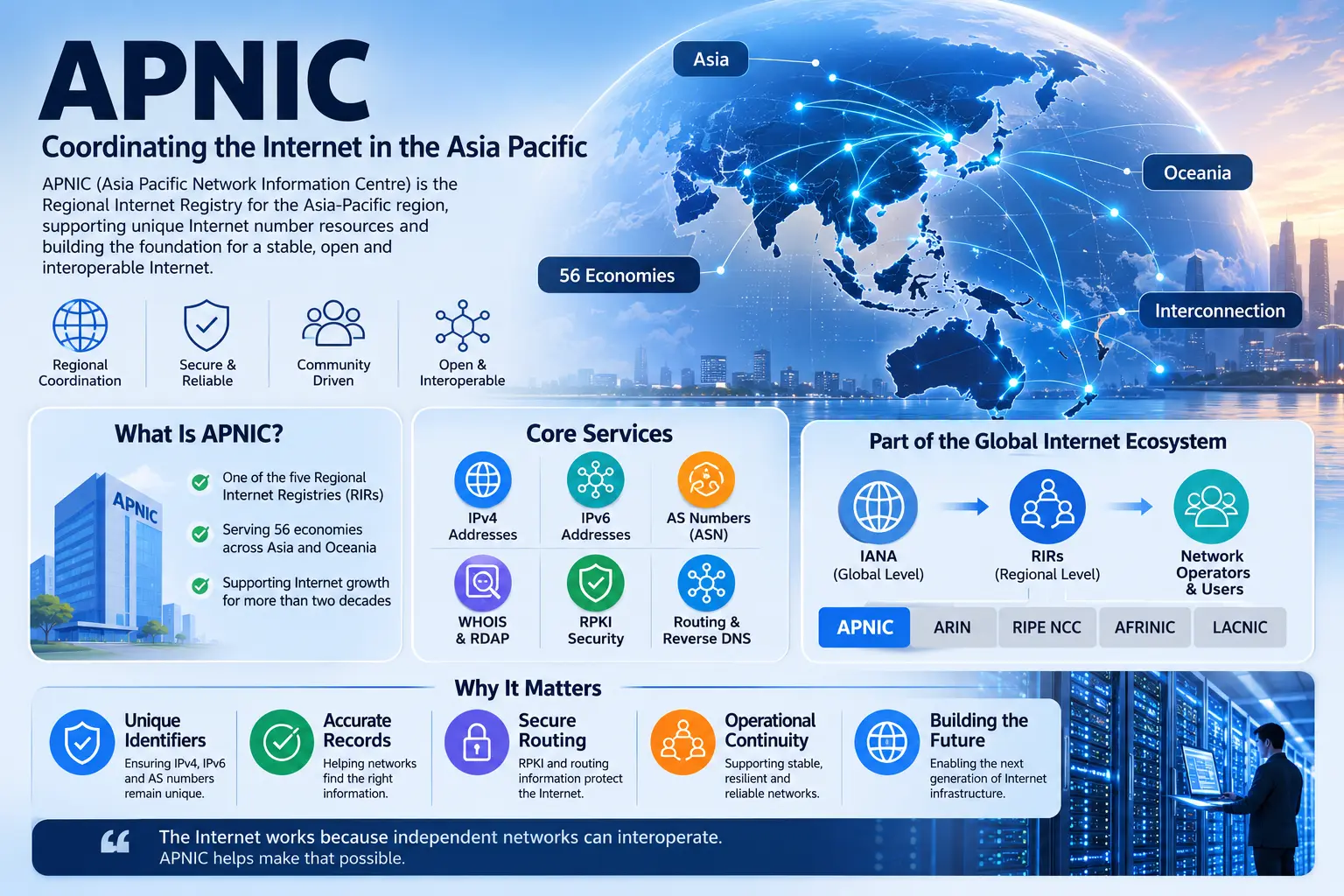
The five Regional Internet Registries:
- ARIN
- RIPE NCC
- APNIC APNIC
- LACNIC
- AFRINIC
were originally designed to distribute IP address resources based on community-developed, bottom-up policy.
In theory, these policies are produced through open consensus. In reality, recent years have shown that:
- Policy interpretation increasingly depends on institutional gatekeeping
- “Consensus” outcomes may not always reflect operational consensus across the technical community
- Governance structures (such as the NRO/ASO system) increasingly mediate or reshape policy outcomes
This matters because RIRs are not abstract governance bodies—they directly control access to the Internet’s addressing layer.
Why Policy Changes Are No Longer “Just Updates”
A common misconception is that RIR policy changes are incremental and harmless. In reality, even minor updates can significantly alter:
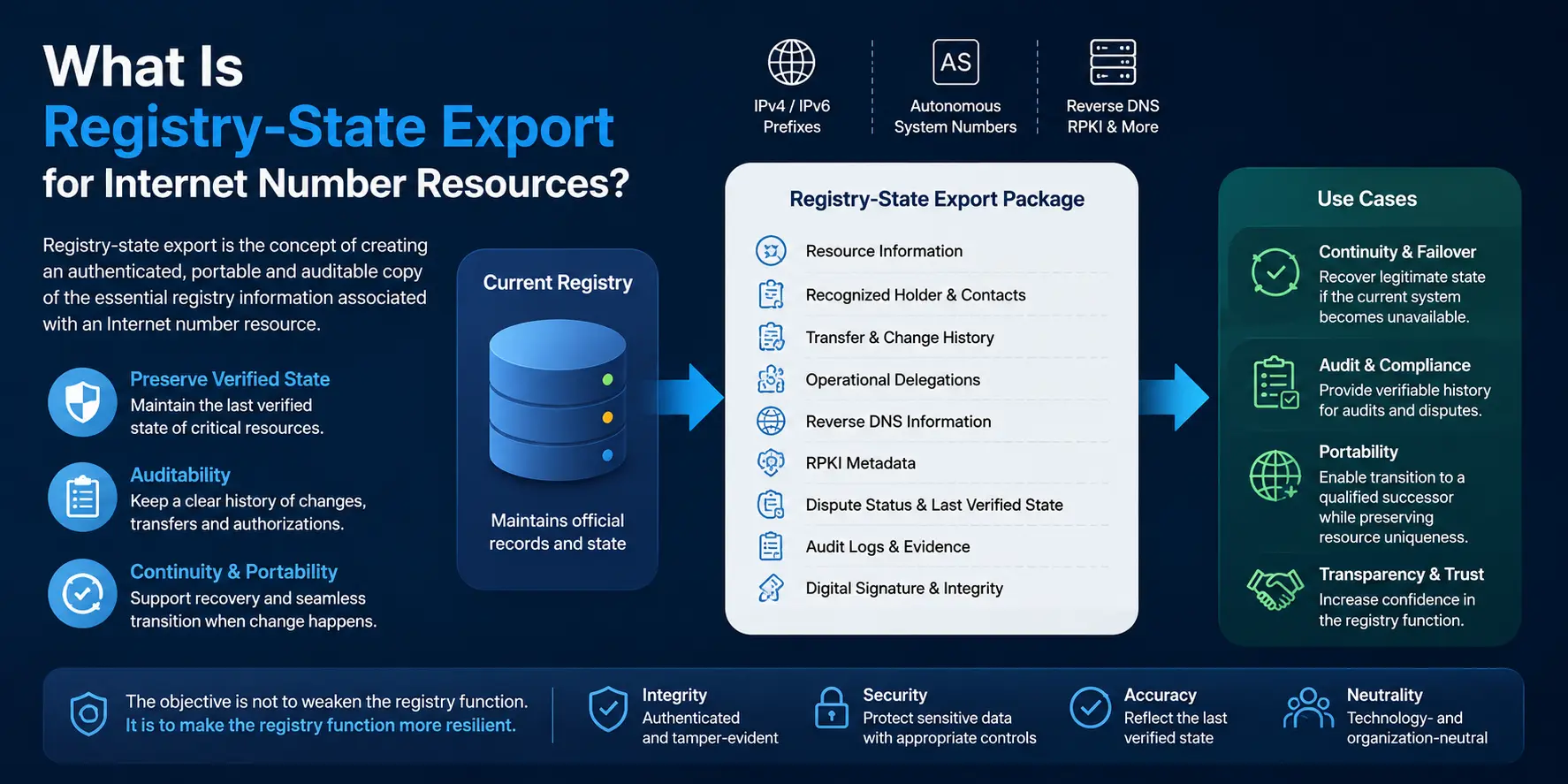
- IP allocation eligibility
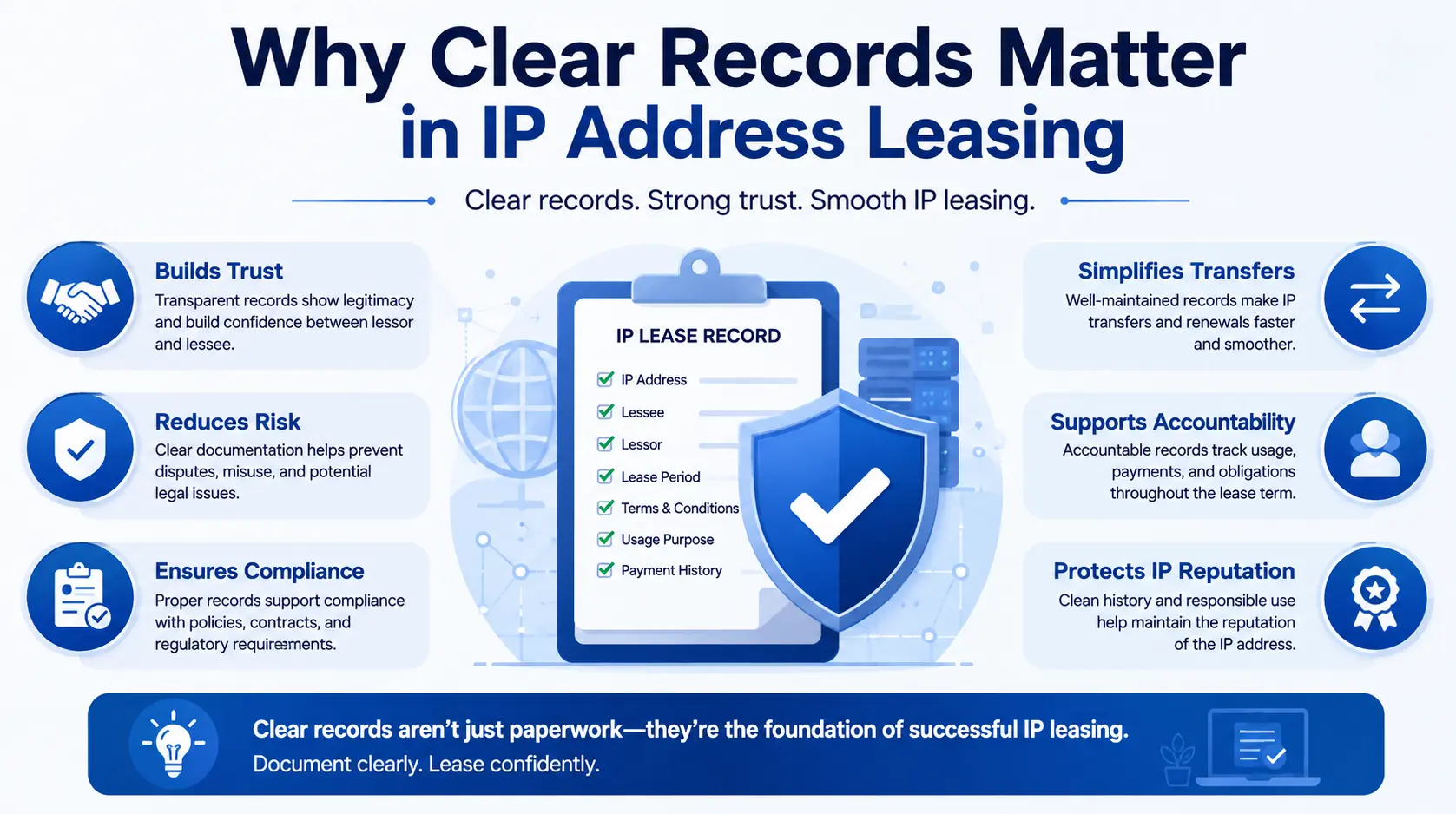
- Transfer and leasing rules
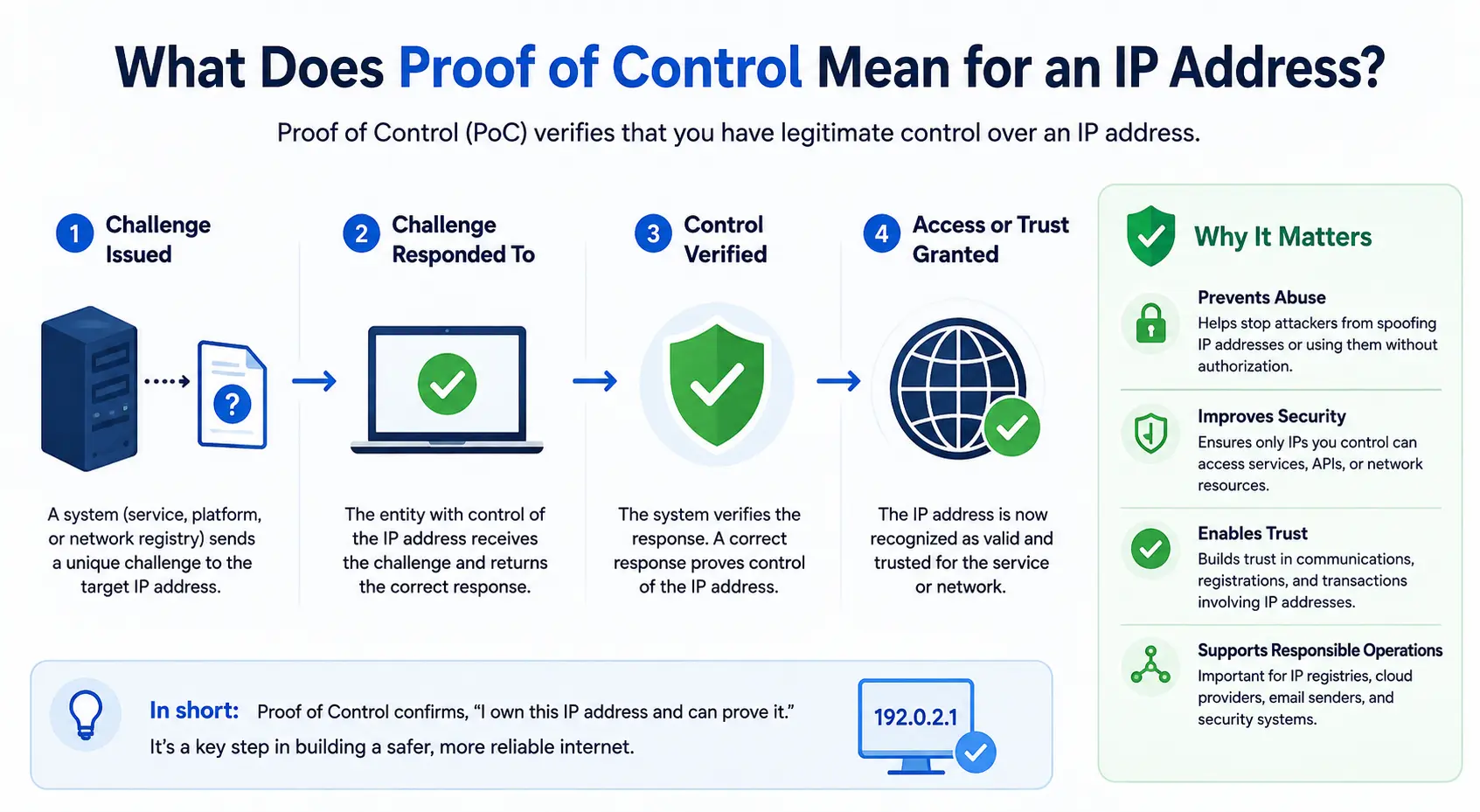
- Routing validation requirements (e.g., RPKI enforcement expectations)
- Registration and justification standards
- Derecognition and compliance frameworks
As highlighted in ongoing ICP-2 revision efforts, even the definition of what constitutes a “legitimate RIR” is now part of active policy debate.
This is no longer maintenance work—it is constitutional design for Internet numbering governance.
The Shift From Scarcity Management to Control Frameworks
Historically, RIR policy existed to manage scarcity—especially IPv4 exhaustion. But we are now in a different phase:
- IPv4 is a constrained financial asset
- IPv6 adoption is uneven
- IP address markets have emerged
- Routing security is being enforced through policy, not just engineering
This shift has transformed RIR policy from allocation guidance into market regulation and infrastructure governance.
For businesses, this means:
- IP addresses behave like regulated assets, not just technical identifiers
- Policy changes can impact asset liquidity and valuation
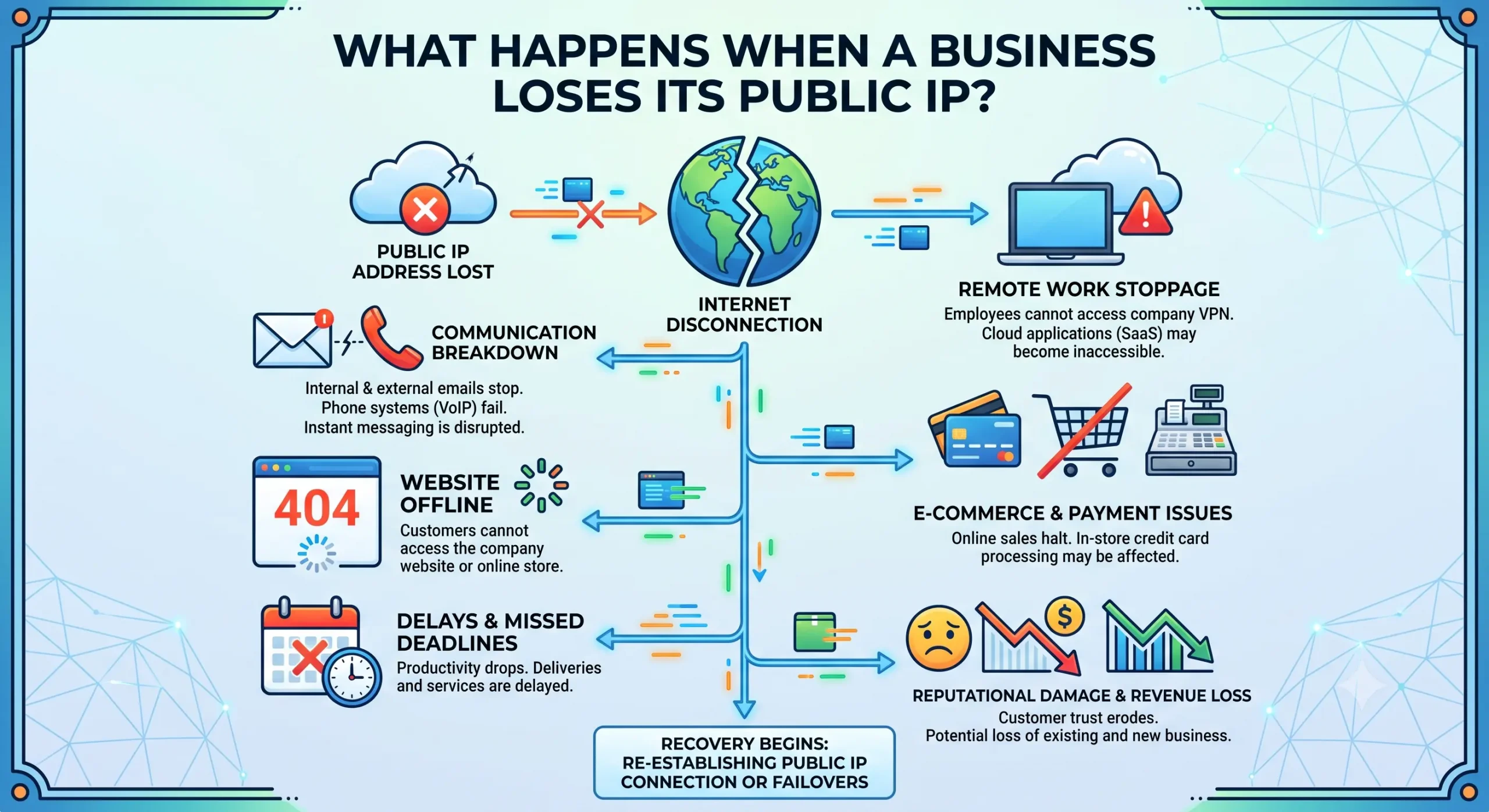
- Compliance failures can lead to operational disruption, not just administrative warnings
When “Consensus” Becomes a Business Risk
In a healthy technical governance model, consensus is a stabilizing force. But when consensus mechanisms become inconsistent or politically mediated, they introduce uncertainty.
That uncertainty manifests in several ways:
- Sudden changes in transfer eligibility rules
- Shifting interpretations of justification requirements
- Uneven enforcement across regions
- Policy reversals or stalled implementations
- Increasing administrative overhead for compliance
For enterprises relying on global infrastructure, this creates a subtle but serious risk: governance volatility inside critical infrastructure layers.
Why Businesses Should Pay Attention
Many organizations assume RIR policy is irrelevant unless they directly interact with ARIN, RIPE, or APNIC.
That assumption is increasingly outdated.
As one recent analysis noted:
“Operators deploy them. Operators route them. Operators sell services on top of them.”
In other words, Internet number resources only gain practical value through operational use. Businesses are the entities building infrastructure, delivering connectivity, and creating commercial services on top of those resources.
If your business:
- Operates cloud infrastructure
- Manages multi-region networks
- Uses BYOIP (Bring Your Own IP)
- Runs CDNs, VPNs, or edge services
- Depends on IPv4 transfers or leasing markets
then you are already downstream of RIR policy decisions.
You are affected even if you never participate in the policy process.
The Hidden Cost of Policy Drift
When governance mechanisms drift away from technical consensus, the cost is not immediately visible. It appears later as:
- Higher IP acquisition costs
- Longer provisioning cycles
- Increased legal/compliance overhead
- Reduced flexibility in infrastructure design
- Fragmentation between regional policy interpretations
In short: policy becomes latency in business execution.
What Businesses Should Do About It
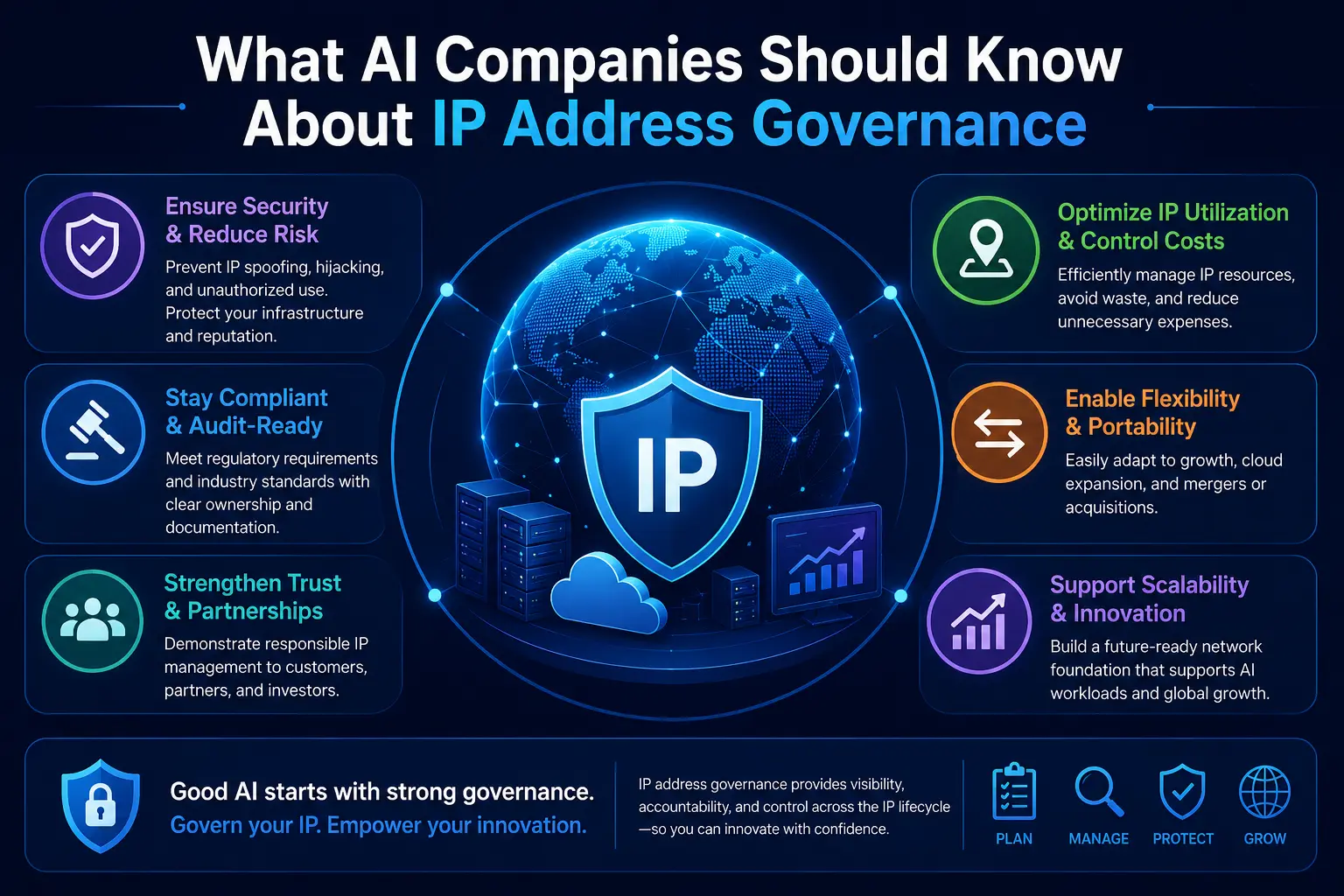
Monitoring RIR policy changes is not about political engagement—it is about operational resilience.
Practical steps include:
- Tracking policy updates from your relevant RIR (ARIN, RIPE NCC, APNIC, etc.)
- Monitoring ICP-2 revision developments and governance framework changes
- Reviewing internal IP allocation and transfer strategies
- Preparing for stricter routing security requirements (RPKI, ROA enforcement)
- Treating IP space as a governed asset class, not a static resource
Most importantly, businesses should stop treating RIR policy as background noise. It is part of the infrastructure stack.
Conclusion
The Internet is often described as decentralized infrastructure, but its numbering system is highly centralized through policy institutions. As your earlier article argues, the tension between technical community expectations and institutional governance is no longer theoretical—it is operational.
RIR policy changes are not just administrative updates. They are signals of how control, legitimacy, and access to Internet infrastructure are being redefined.
For businesses, the question is no longer whether to pay attention.
It is how quickly they can adapt when the rules change underneath them.
FAQs
RIR policy changes are updates to the rules governing how Internet number resources (IP addresses and ASNs) are allocated, transferred, and managed. They matter because they directly affect who can access critical Internet infrastructure and under what conditions.
Ignoring RIR policy changes can lead to unexpected compliance issues, higher infrastructure costs, delayed IP allocations, and operational disruptions. More broadly, it leaves organizations exposed to governance decisions they had no visibility into or preparation for.