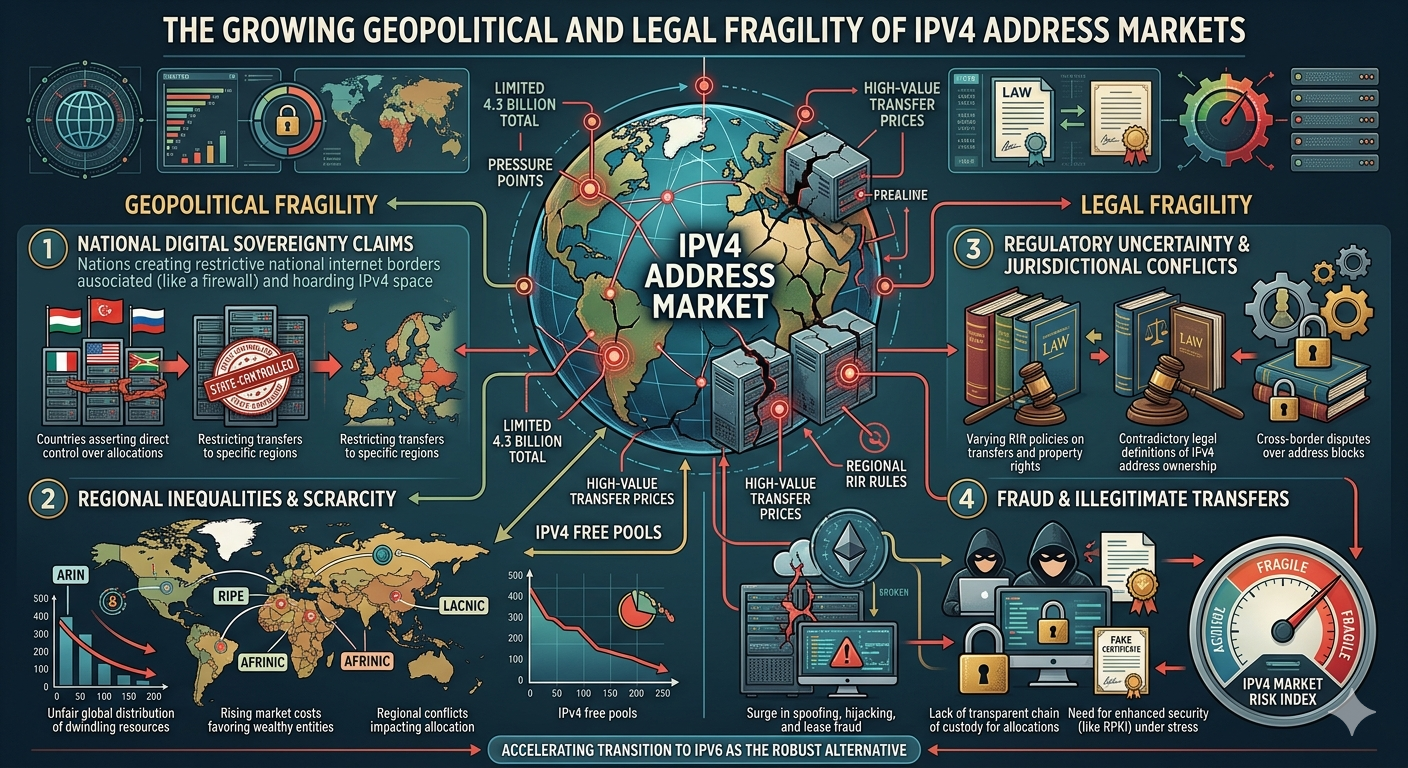
The Growing Geopolitical and Legal Fragility of IPv4 Address Markets
For decades, IPv4 addresses were treated as invisible plumbing of the internet — technical resources allocated quietly in the background to keep networks running. Today, that reality has fundamentally changed.
IPv4 addresses are now globally traded digital assets worth billions of dollars. Enterprises buy and lease them. Brokers specialize in transfers. Investors increasingly recognize them as scarce infrastructure commodities. Governments are beginning to view them through the lens of sovereignty and strategic control.
But as the IPv4 market matures, so does its fragility.
What appears on the surface to be a functioning global marketplace is increasingly exposed to geopolitical tension, legal ambiguity, governance disputes, sanctions risk, and institutional instability. The result is a growing realization that IPv4 markets are not merely technical ecosystems anymore — they are becoming geopolitical infrastructure battlegrounds.
IPv4 Scarcity Changed Everything
The original internet governance model was built during an era of abundance.
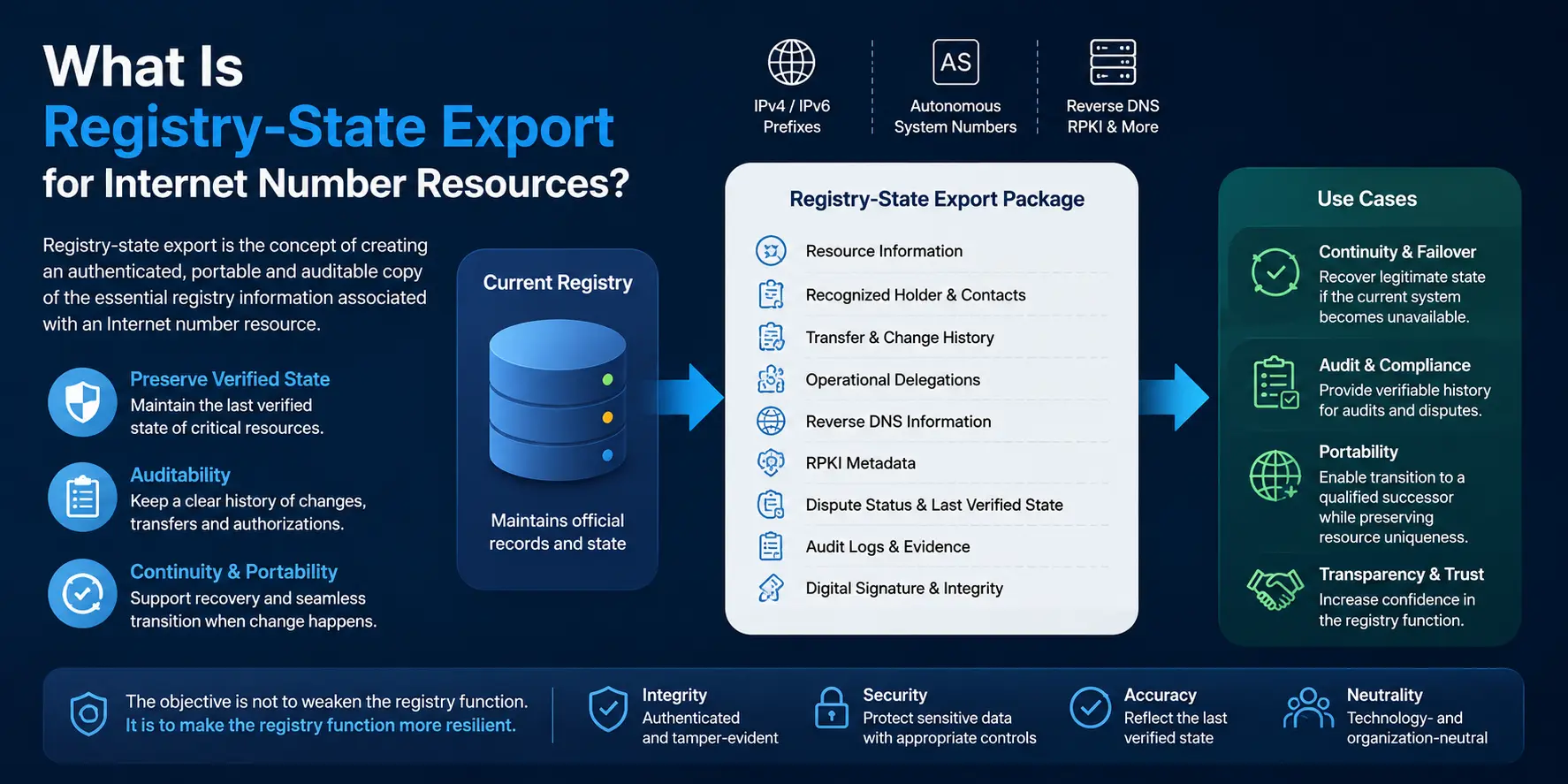
Regional Internet Registries (RIRs) allocated IPv4 resources under stewardship frameworks designed around coordination rather than scarcity economics. Address blocks were distributed to organizations primarily for operational use, not speculative value.
That model broke once IPv4 exhaustion became permanent.
Today:
- IPv4 prices continue climbing globally
- Leasing markets have exploded
- Address blocks are treated as financial assets
- Transfer brokers operate internationally
- Large cloud providers aggressively accumulate inventory
- Legacy allocations have become balance-sheet assets
Scarcity transformed IPv4 from administrative infrastructure into strategic property-like resources.
But governance structures did not evolve at the same pace.
The Dangerous Ambiguity of “Ownership”
One of the most misunderstood aspects of IPv4 markets is whether organizations actually “own” IPv4 addresses.
Most enterprises assume that buying IPv4 space grants clear property rights. In reality, the legal framework is far more uncertain.
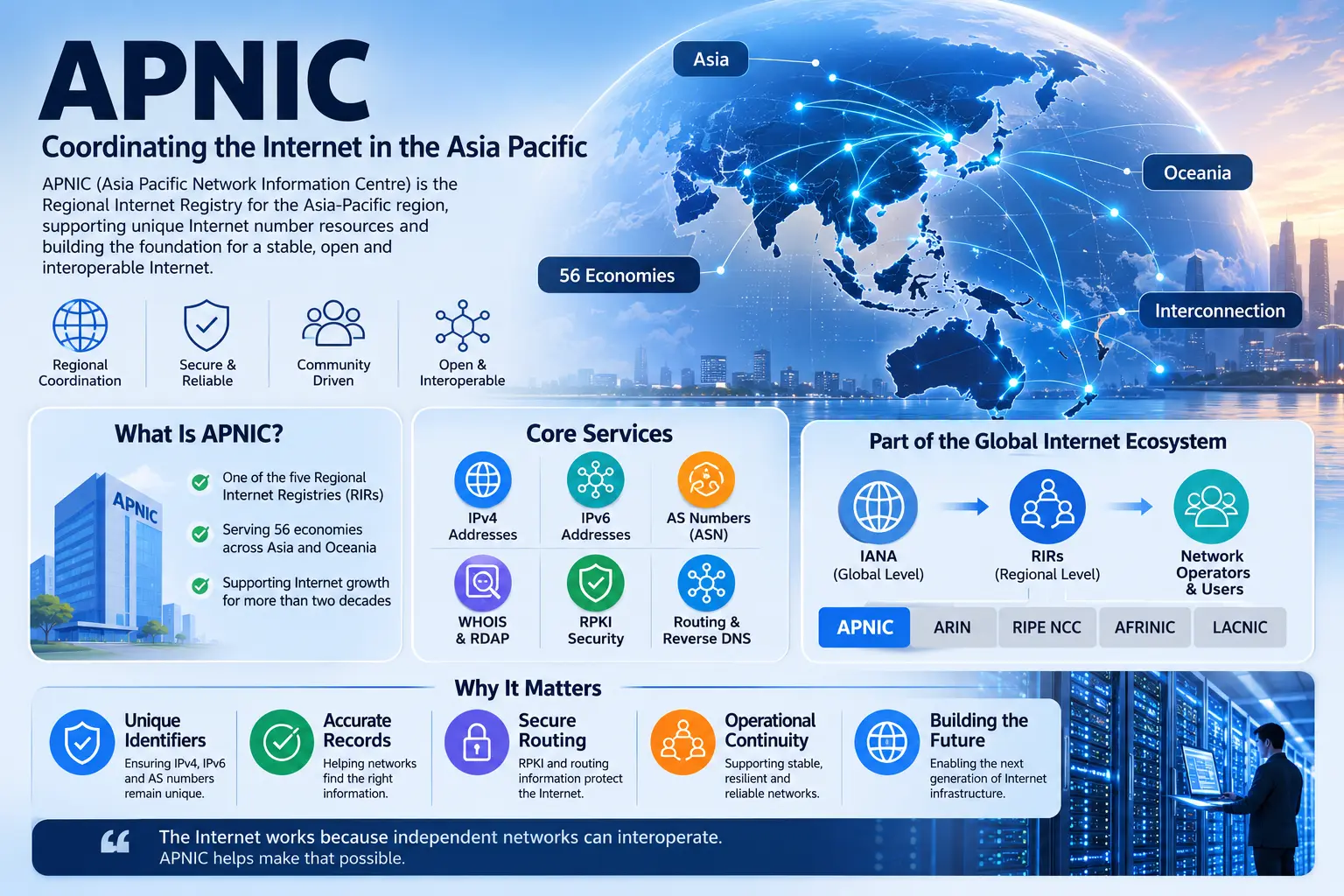
RIRs such as American Registry for Internet Numbers, RIPE NCC, and Asia-Pacific Network Information Centre generally frame address allocations as contractual usage rights rather than sovereign property ownership.
This distinction matters enormously.
Because IPv4 addresses now carry substantial economic value, disputes increasingly emerge around:
- Bankruptcy proceedings
- Asset seizures
- Corporate acquisitions
- International sanctions
- Fraudulent transfers
- Jurisdictional conflicts
- Routing authority disputes
Different courts have interpreted IPv4 rights differently. Some rulings treat addresses as transferable assets resembling property, while others prioritize registry contracts and policy frameworks.
The consequence is a globally fragmented legal environment where enforceability varies by jurisdiction.
IPv4 Markets Are Becoming Geopolitical Infrastructure
What makes this issue more serious is the growing intersection between internet governance and state power.
Governments increasingly recognize IP infrastructure as strategically important.
That changes everything.
Sanctions Risk Is No Longer Theoretical
Another growing vulnerability involves international sanctions regimes.
IPv4 transfers often span multiple jurisdictions and intermediaries:
- Brokers
- Leasing providers
- Hosting operators
- Transit providers
- Cloud platforms
If sanctioned entities gain operational control over address resources, liability risks may extend beyond the direct transferee.
Organizations involved in IPv4 markets increasingly require:
- Enhanced compliance verification
- Counterparty due diligence
- Jurisdictional risk assessment
- Beneficial ownership checks
In practice, IPv4 transfers are beginning to resemble regulated financial transactions more than traditional internet administration.
Governance Legitimacy Is Under Growing Pressure
One of the most controversial developments in recent years has been growing criticism of the governance assumptions underlying the Regional Internet Registry system itself.
A notable example is Lu Heng’s essay, “Mandate Laundering: From RIR Fantasy to Transition Architecture”, which argues that portions of the RIR ecosystem have evolved beyond limited technical coordination into quasi-political governance structures lacking corresponding democratic legitimacy.
The article introduces the concept of “mandate laundering” — the idea that procedural and administrative mechanisms may gradually acquire de facto governance authority without formal sovereign accountability. While controversial, the argument reflects broader tensions emerging around internet governance, continuity authority, and institutional power.
These debates matter because IPv4 resources now underpin:
- Cloud infrastructure
- National telecom systems
- Financial networks
- Government operations
- Critical communications infrastructure
As address scarcity intensifies, disputes over who controls allocation legitimacy become far more consequential.
The AFRINIC Crisis Exposed Structural Weaknesses
The prolonged governance and legal disputes surrounding African Network Information Centre (AFRINIC) demonstrated how fragile internet numbering governance can become when institutional legitimacy, legal systems, and operational continuity collide.
The AFRINIC situation highlighted several systemic risks:
- Court intervention into registry governance
- Questions over derecognition authority
- Disputes involving active address resources
- Operational continuity concerns
- Cross-border legal enforcement complexity
Perhaps most importantly, it showed that the assumption of stable, neutral, globally coordinated internet governance can no longer be taken for granted.
For enterprises dependent on IPv4 continuity, these governance disputes are no longer abstract policy debates — they are operational risks.
IPv4 Fraud and Hijacking Continue To Grow
Scarcity has also accelerated criminal activity.
Attackers increasingly target:
- Dormant legacy allocations
- Defunct organizations
- Weak registry authentication systems
- Inactive corporate records
Stolen or disputed IPv4 resources are often used for:
- Spam infrastructure
- Malware hosting
- Proxy services
- Fraudulent leasing operations
Because internet routing still depends heavily on trust-based systems such as BGP, ownership disputes can rapidly become network security incidents.
Organizations acquiring IPv4 assets now require:
- Historical routing analysis
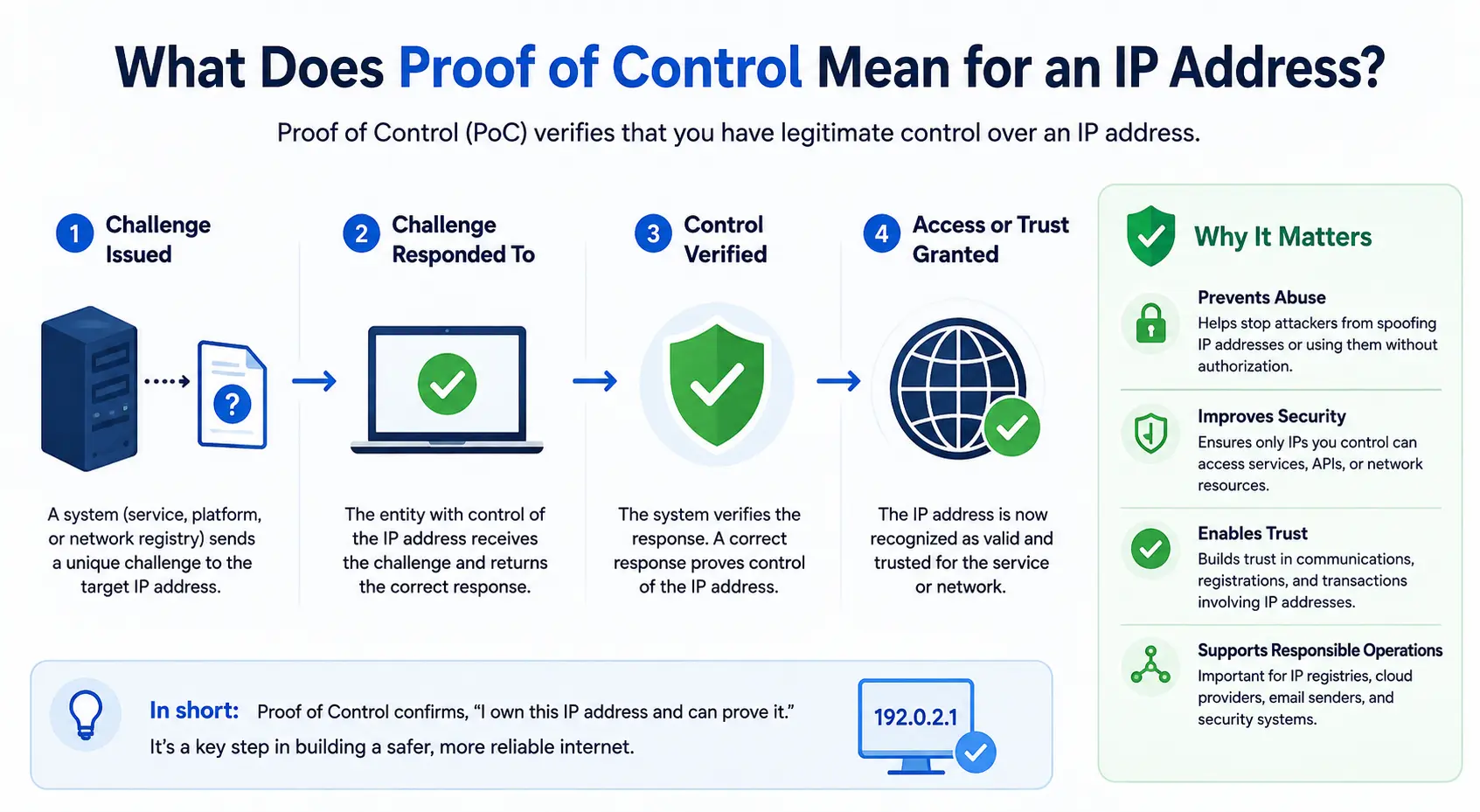
- Registry provenance validation
- Legal chain-of-custody review
- Reputation monitoring
Traditional asset due diligence is no longer sufficient.
IPv6 Adoption Remains Uneven
In theory, IPv6 should solve IPv4 scarcity entirely.
In practice, adoption remains highly uneven across industries and regions.
Many organizations continue relying heavily on IPv4 because:
- Legacy systems still require it
- IPv6 migration costs remain significant
- Operational complexity persists
- Carrier-grade NAT introduces tradeoffs
- Some regions lag substantially in deployment
This uneven transition prolongs dependence on increasingly fragile IPv4 markets.
Ironically, the slower IPv6 adoption becomes, the more strategic and politically sensitive IPv4 resources become.
Regulatory Fragmentation May Be Next
The greatest long-term risk may be regulatory divergence.
Future scenarios could include:
- National restrictions on IPv4 exports
- State oversight of large transfers
- Licensing requirements for brokers
- Taxation frameworks for address transactions
- Strategic infrastructure classification
- Domestic continuity mandates
If this occurs, the IPv4 market could fragment into jurisdictionally segmented systems with inconsistent legal standards and transfer rules.
That would fundamentally alter how internet infrastructure operates globally.
What Enterprises Should Do Now
Organizations dependent on IPv4 resources should begin treating address strategy as a board-level infrastructure governance issue rather than merely a networking function.
Key priorities include:
Strengthen Legal Review
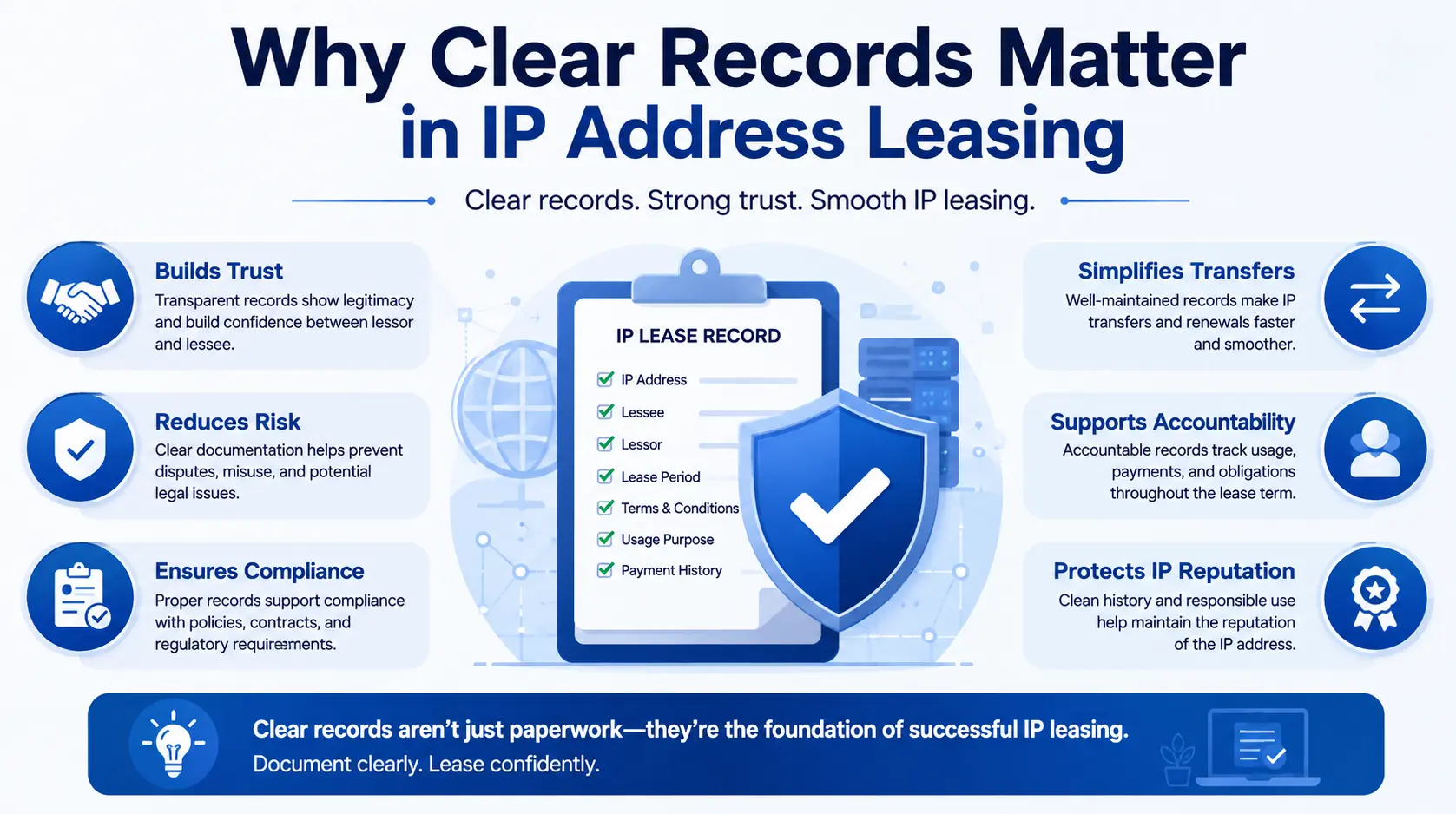
Ensure IPv4 acquisition and leasing agreements are enforceable across relevant jurisdictions.
Improve Provenance Verification
Validate routing history, registry status, transfer history, and operational legitimacy before transactions.
Expand Geopolitical Risk Monitoring
Assess exposure to sanctions, sovereignty policies, and regional governance instability.
Accelerate IPv6 Readiness
IPv6 migration is increasingly about strategic resilience, not only technical modernization.
Reevaluate Counterparty Risk
IPv4 brokers and intermediaries should undergo compliance scrutiny comparable to financial counterparties.
Conclusion
The IPv4 market is entering a fundamentally different era.
What was once a cooperative technical coordination system is evolving into a contested landscape shaped by:
- Geopolitics
- Legal uncertainty
- Institutional legitimacy disputes
- Digital sovereignty
- Economic scarcity
- Strategic infrastructure competition
The core issue is no longer simply address exhaustion.
It is whether the governance structures surrounding critical internet resources are resilient enough to survive an increasingly fragmented and politically contested digital world.