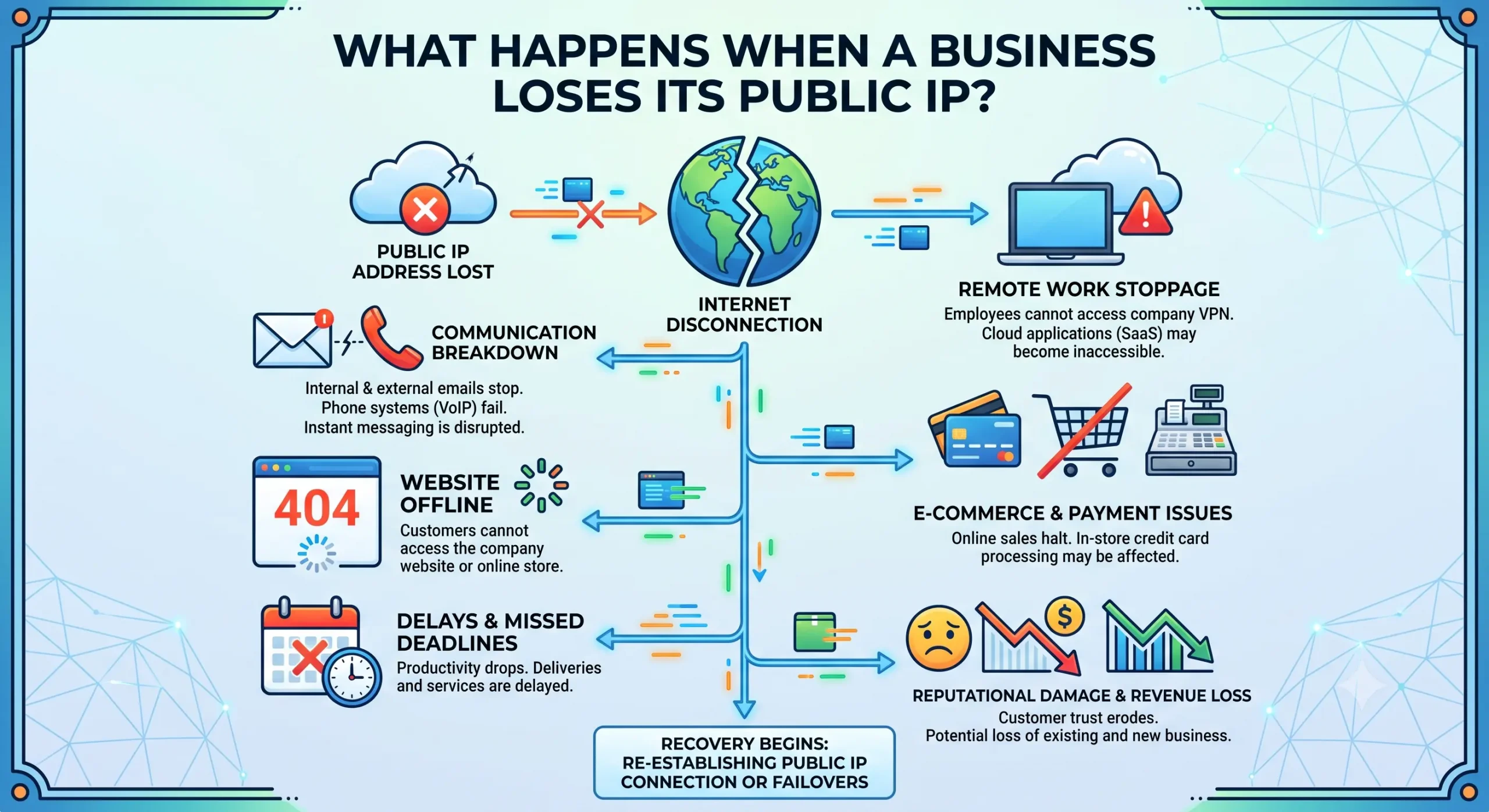

What happens to routing if registry data becomes invalid?
Bad data in regional internet registries can cause routing problems, which shows that the RIR system and global internet governance have problems that need to be fixed.
If the registry data is wrong, it can cause route leaks, hijacks, and widespread reachability failures in the global internet routing system.
The RIR system’s reliance on records kept by people creates structural risks that RPKI validation mechanisms can help with, but not completely get rid of.
Introduction: why registry data underpins the internet
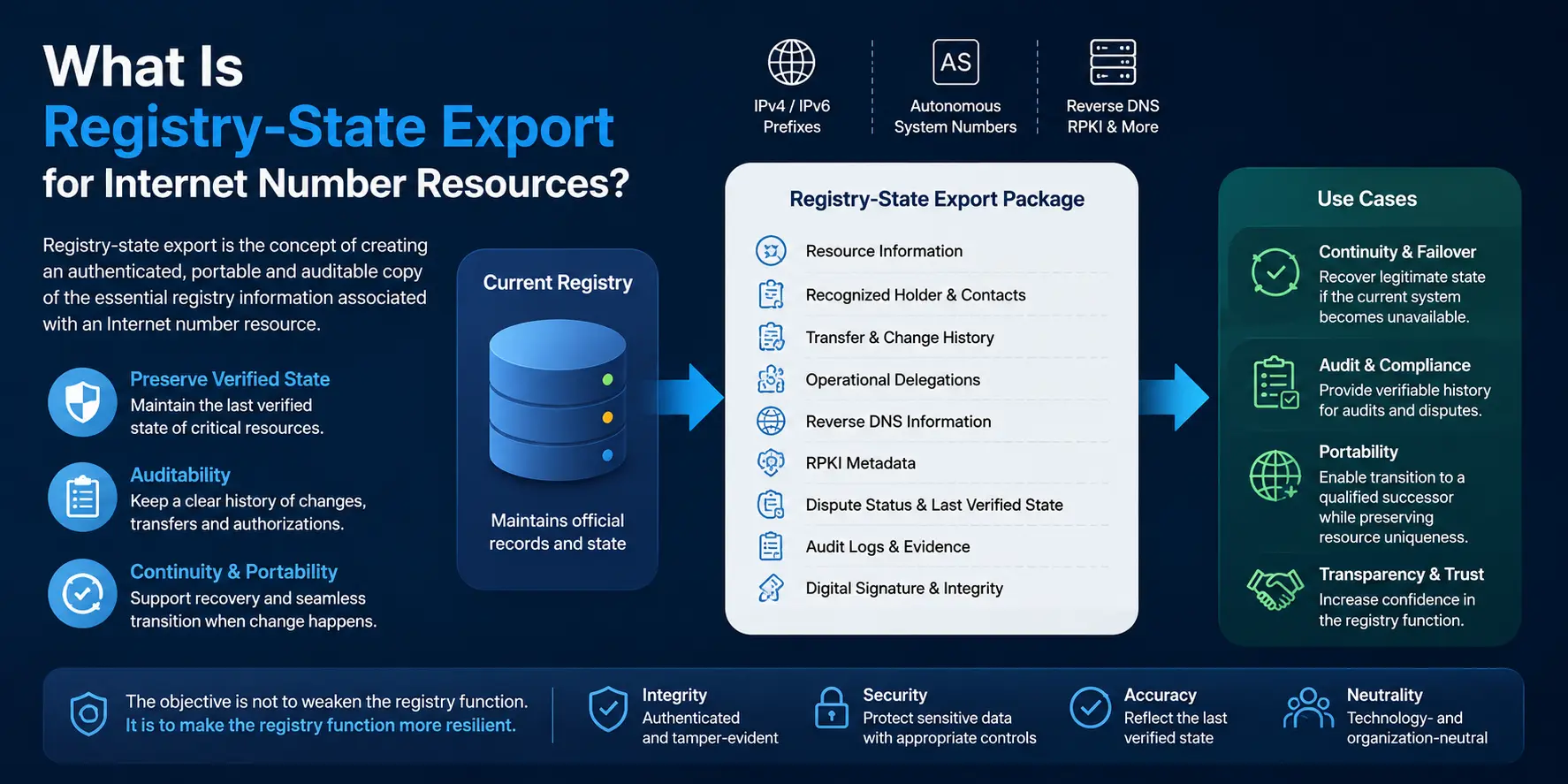
The internet works because we trust the information that the people in charge of each area have. These people are called internet registries and they give out internet addresses and keep track of who has what. This information is used to decide how to get data from one place to another on the internet.
The thing is, the people in charge of this information do not actually make the internet work. They just give their information to systems that help make the internet work. These systems are like the Internet Routing Registry and the Resource Public Key Infrastructure. When the information from the people in charge gets old or wrong it causes problems over the internet.
This article is about what happens when the information from the people, in charge’s not good. And why this is becoming a big problem that needs to be fixed. The regional internet registries are having some issues and it is not a small problem it is a big concern.
The RIR system and routing: an indirect but critical dependency
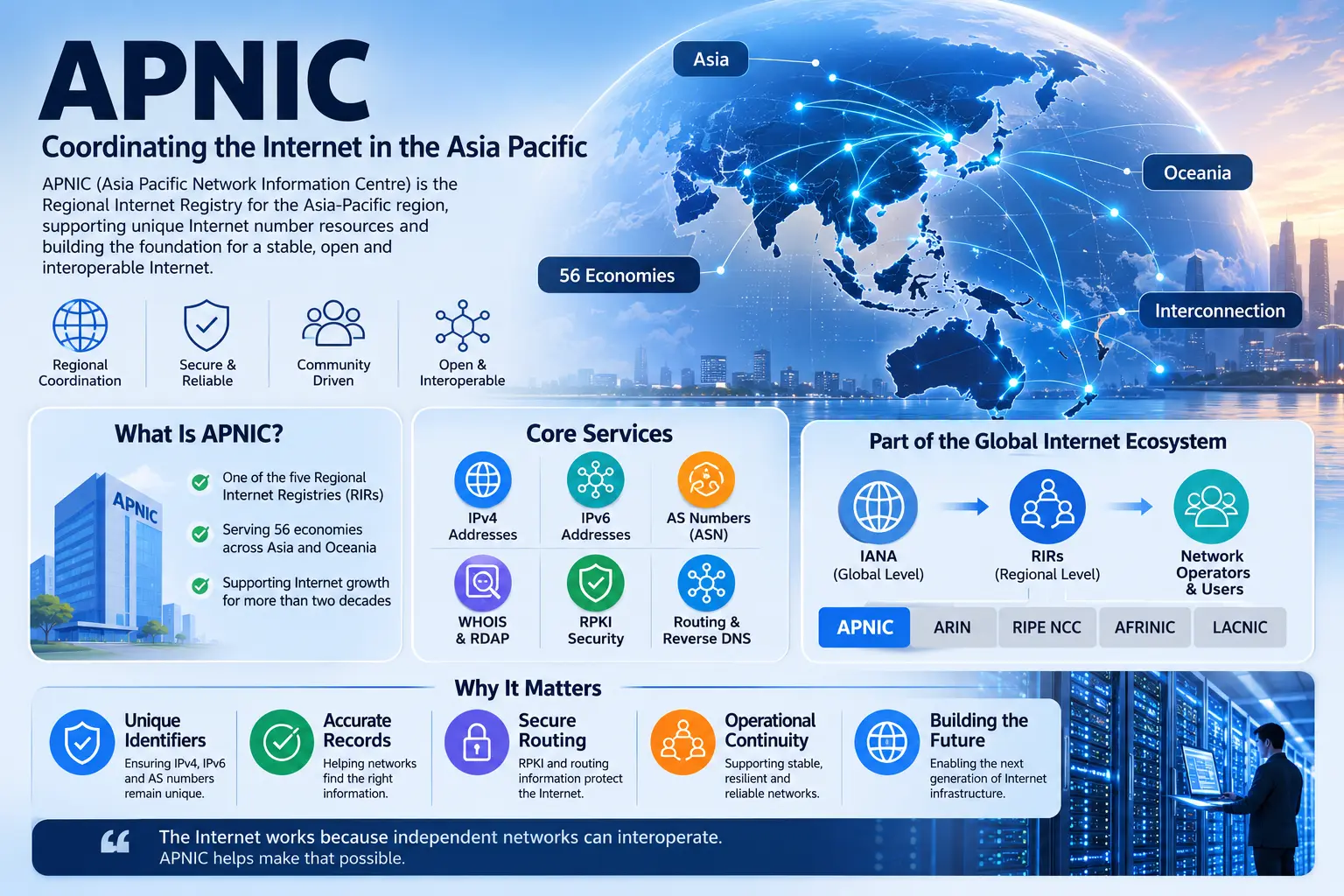
The regional internet registry framework—comprising organisations such as RIPE NCC, ARIN, APNIC, AFRINIC and LACNIC—was designed for coordination, not enforcement. Their role is to allocate number resources and maintain records of ownership.
However, these records are consumed by routing systems in two key ways:
IRR databases, where operators publish routing policies and prefix ownership
RPKI, where cryptographic certificates validate route origination
The IRR remains widely used because it provides operational context, but it is fundamentally a voluntary and loosely validated system. As researchers note, “it is difficult to determine what is legitimate… and what isn’t” due to the lack of strict validation .
This creates a fragile dependency: routing decisions rely on data that may not be accurate.
When registry data becomes invalid: the immediate effects
Invalid registry data can manifest in several ways:
1. Route leaks and hijacks
If an IP prefix is incorrectly registered—or remains registered to a previous owner—another network may appear authorised to announce it. Malicious actors can exploit this by inserting false records.
A 2024 study of IRR databases found that attackers “inject false records… to bypass operators’ defences” during BGP hijacks .
2. Filtering failures
Network operators build routing filters using IRR data. If the data is wrong, filters either:
Allow illegitimate routes, increasing security risk
Block legitimate routes, causing outages
3. Global propagation of errors
Because BGP propagates changes globally within minutes, incorrect routing information can spread rapidly. As RPKI documentation explains, routing changes “propagate globally within a few minutes” .
This means a single invalid record can have near-instant global impact.
IRR weaknesses: why invalid data is common
The persistence of invalid registry data is not accidental—it is structural.
Lack of strict validation
Unlike RPKI, IRR databases do not enforce strong authentication. Some are authoritative (operated by RIRs), but many are not.
As APNIC researchers highlight, IRR systems “lack a strict validation standard” and suffer from inconsistencies across databases .
Human maintenance burden
IRR entries rely on manual updates. Over time:
Organisations forget to update records
Address transfers leave stale entries behind
Duplicate or conflicting records emerge
Studies show large numbers of “outdated, duplicated or inconsistent” entries in IRR datasets .
Weak incentives
There is little direct incentive for operators to maintain accurate records—until something breaks. This leads to systemic data decay.
Case study: inconsistent IRR records at scale
Empirical data illustrates the scale of the problem.
In a large-scale analysis of IRR databases:
-
Over 34,000 suspicious records were identified
-
Thousands had mismatched origin AS numbers
-
Many had no corresponding RPKI validation
Even more striking were inconsistencies between authoritative RIR databases themselves—often caused by address transfers where old records were never removed.
This highlights a key issue: even within the RIR system, data synchronisation is imperfect.
RPKI as a mitigation layer—not a solution
To address these weaknesses, the industry has increasingly adopted RPKI.
What RPKI changes
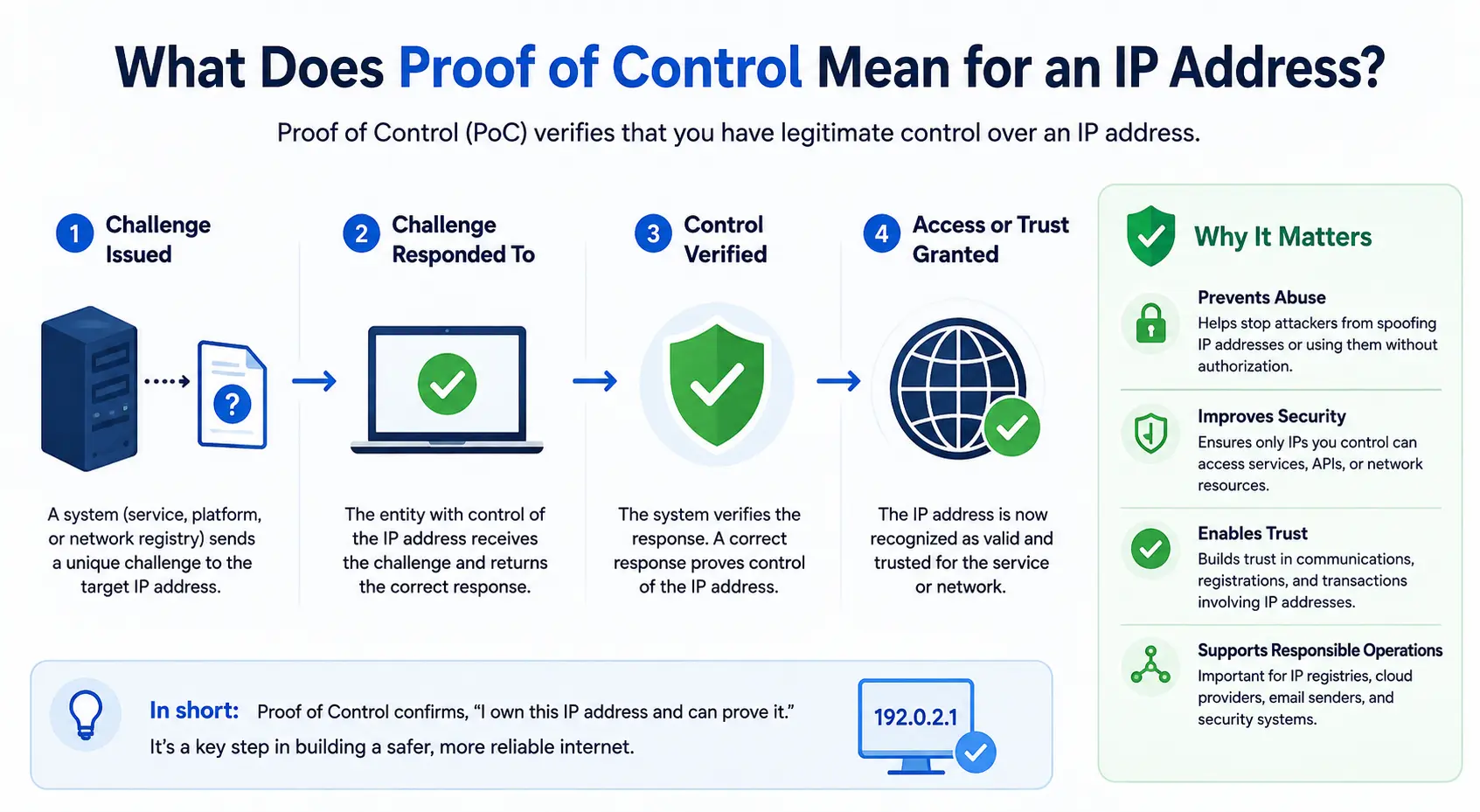
RPKI introduces cryptographic validation. Instead of trusting registry data blindly, networks can verify whether a route announcement is authorised.
Routes are classified as:
Valid
Invalid
Not found
Invalid routes can be rejected, reducing the risk of hijacks.
Why RPKI is not enough
However, RPKI does not replace IRR:
It only validates origin, not routing policy
Coverage is incomplete
Misconfigurations can still cause outages
Research shows that even legitimate routes can be flagged invalid due to configuration errors, leading to traffic loss if filtered .
As engineers have observed, RPKI “removes ambiguity about who is allowed to announce what” but does not address broader routing intent .
Failure scenarios: what actually happens in the network
When registry data becomes invalid, real-world routing behaviour depends on operator policies.
Scenario 1: Fail-open networks
Some networks prioritise reachability over security:
Invalid routes may still be accepted
Traffic continues flowing—but may be misdirected
Scenario 2: Strict filtering
Networks enforcing RPKI validation:
Drop invalid routes
Risk collateral outages if data is wrong
For example, major networks such as NTT explicitly reject “RPKI Invalid BGP routes” .
Scenario 3: Mixed environments
Most of the internet operates in a hybrid mode:
IRR data used for baseline filtering
RPKI used for validation where available
This creates inconsistency—some parts of the internet accept a route, others reject it.
Governance implications for the RIR system
The problem of invalid data is not just technical—it is institutional.
The regional internet registries were designed for decentralised coordination, not strict enforcement. This creates:
Fragmented data governance
Inconsistent validation standards
Limited accountability across regions
As a result, the RIR system functions as a loosely coupled trust framework rather than a unified authority.
This becomes increasingly problematic as:
IPv4 scarcity drives transfers across regions
IP addresses become financial assets
Routing security becomes geopolitically sensitive
Invalid data is no longer an operational nuisance—it is a governance risk.
Towards a more resilient routing data model
Improving routing resilience requires more than incremental fixes.
1. Stronger data validation
Wider adoption of RPKI
Better tooling for detecting inconsistencies
Automated validation pipelines
2. Improved IRR hygiene
Operators must treat routing data as “living infrastructure” requiring regular audits .
3. Better coordination across RIRs
Synchronisation of transfer records
Standardised validation practices
Clearer ownership tracking
4. Layered security approach
No single system is sufficient. The future lies in combining:
IRR (policy context)
RPKI (cryptographic validation)
Operational filtering
Conclusion: a fragile trust layer beneath global connectivity
The way global routing works today relies on data that isn’t always fully checked or kept up to date. When registry information goes bad, the effects hit fast and wide—hijacks, outages, and all sorts of inconsistent routing behavior.
The regional internet registry (RIR) model is still the main part of the system, but its problems are getting harder to ignore. The risk isn’t just technical problems; it’s also a lack of better validation, stronger coordination, and real governance. It’s a slow but steady loss of faith in the systems that keep the internet running.