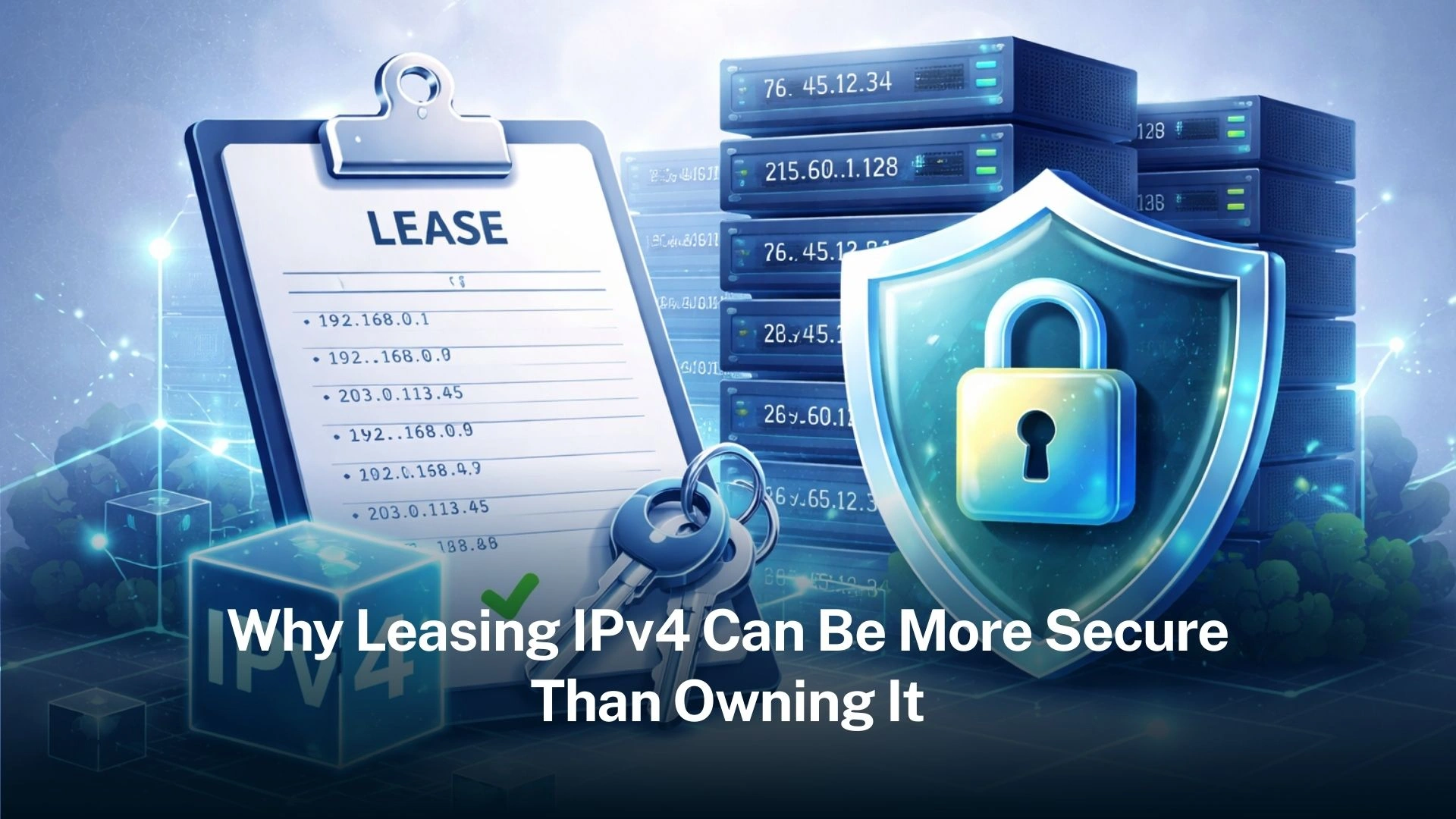
Why leasing IPv4 can be more secure than owning it
IPv4 scarcity reshaped internet infrastructure economics, and leasing address space may offer operational security advantages over outright ownership.
Leasing IPv4 addresses can reduce financial and operational risks in volatile address markets.
Flexible contracts, reputation management and regulatory insulation make leasing a strategic alternative to ownership.
IPv4 scarcity reshapes address strategy
The exhaustion of IPv4 address space has transformed how organisations acquire and manage internet resources. IPv4, which uses 32-bit addressing, supports roughly 4.3 billion possible addresses, a pool that was effectively depleted more than a decade ago. Today, organisations must obtain addresses through transfers, secondary markets or leasing arrangements rather than fresh allocations.
As a result, IPv4 addresses have become valuable operational resources for internet service providers, cloud platforms and data-centre operators. Address blocks are frequently traded or leased to support growth, maintain compatibility with legacy systems and avoid delays associated with waiting lists for new allocations.
While ownership of address blocks is often viewed as the ultimate goal, some analysts argue that leasing can actually provide stronger operational security and strategic flexibility in the evolving IPv4 economy.
The hidden risks of owning IPv4 addresses
Market volatility and capital exposure
Ownership ties organisations to the price fluctuations of the IPv4 market. Address blocks have historically experienced significant price swings due to scarcity, demand shifts and regional transfer policies. Analysts have observed IPv4 prices rise dramatically as supply tightened, highlighting the speculative nature of ownership.
When companies purchase large blocks outright, they assume the financial risk that future market changes or IPv6 adoption may reduce their long-term value.
This financial predictability can translate into operational security: organisations avoid tying up large capital reserves in a single digital resource whose long-term valuation remains uncertain.
Governance and registry dependency
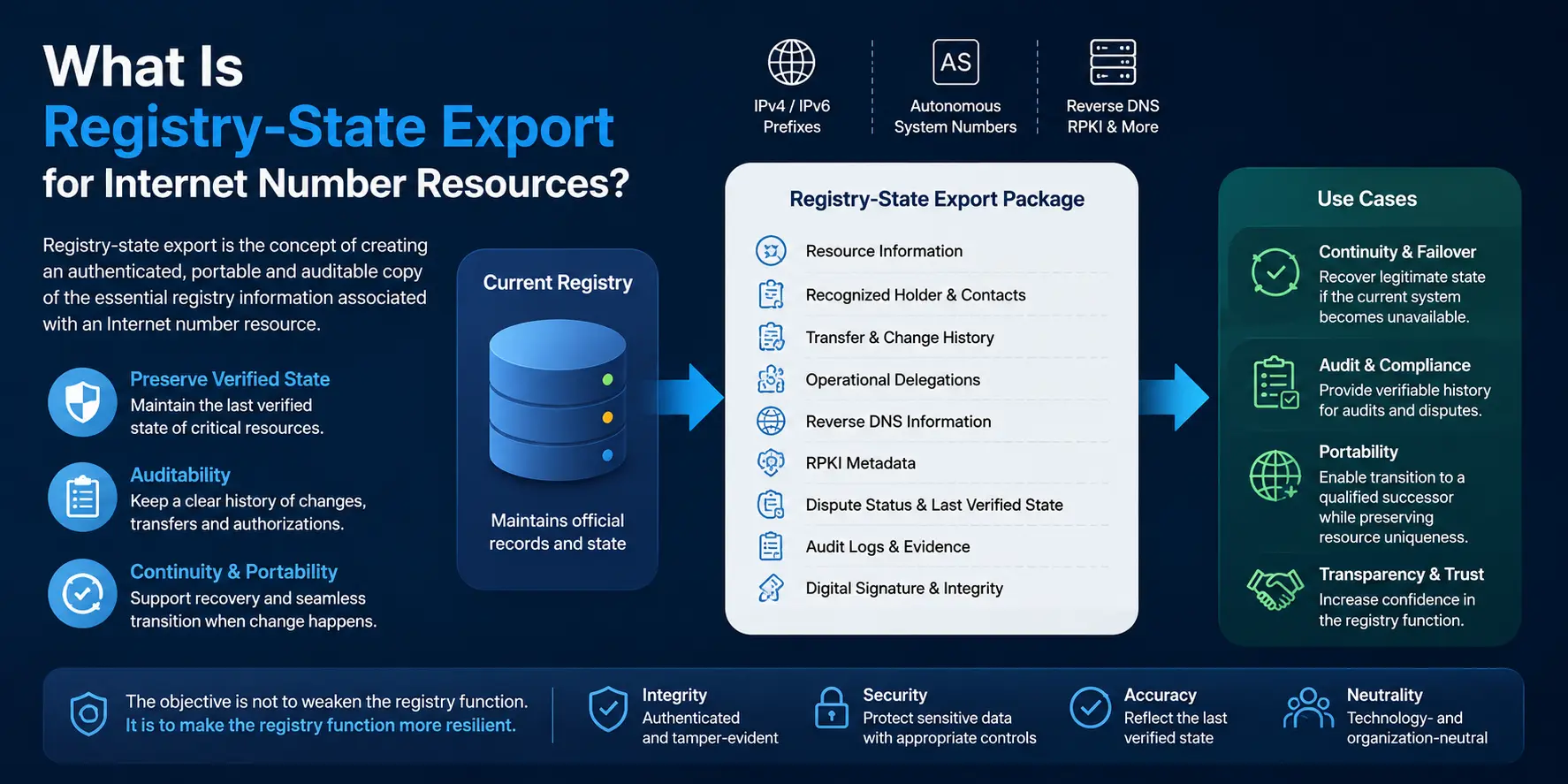
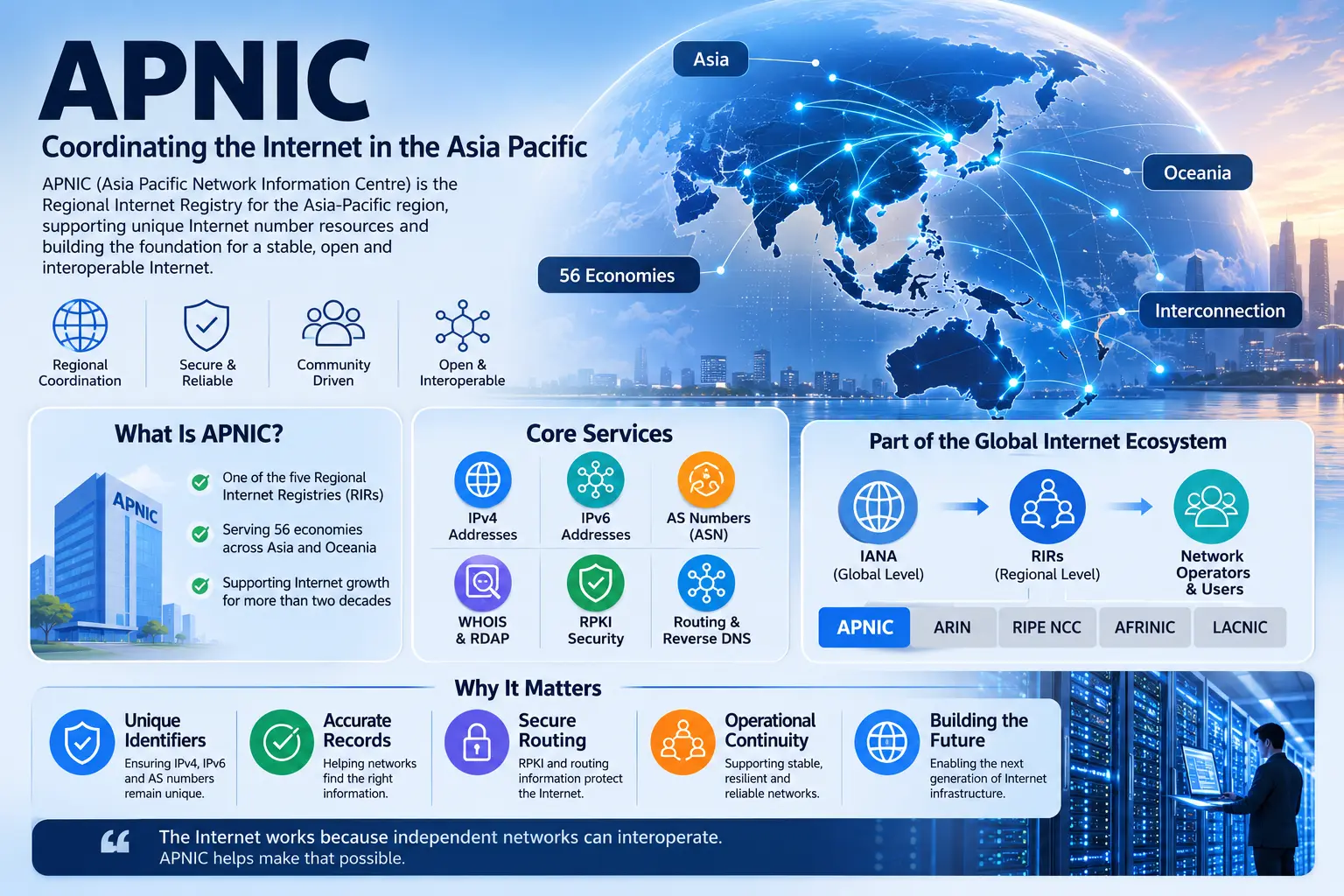
Ownership does not mean full control. IPv4 address allocations are ultimately administered through the global registry system consisting of the Internet Assigned Numbers Authority (IANA) and the five Regional Internet Registries (RIRs). These institutions coordinate address allocation to maintain global uniqueness and routing stability.
Because registry policies and governance structures can evolve, address holders remain dependent on institutional frameworks beyond their control. Leasing arrangements often shift part of that regulatory burden to brokers or leasing platforms that manage compliance and documentation.
Why leasing IPv4 can enhance operational security
Faster access to clean address space
One of the practical security benefits of leasing is the ability to obtain addresses more quickly. Purchasing IPv4 blocks often involves lengthy justification procedures and registry approvals, whereas leasing can provide access in weeks or even days.
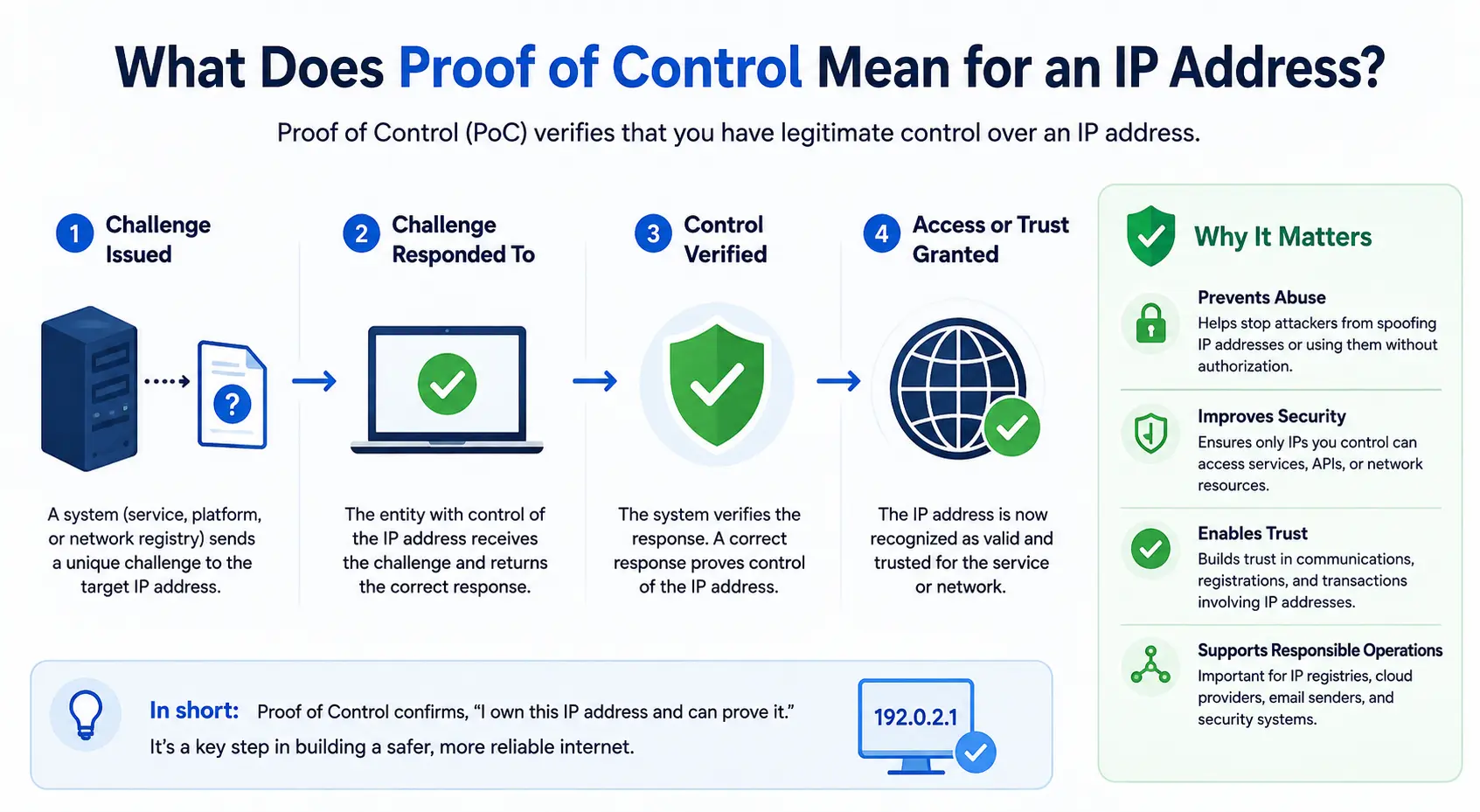
In addition, leasing providers frequently perform reputation checks on address space before offering it to customers. This reduces the likelihood of receiving IP ranges previously associated with spam or abuse.
According to industry analysis, leasing IPv4 addresses can “minimise the risk of getting blacklisted IPs due to abuse or spam.”
Such reputation management is critical for hosting providers, SaaS platforms and messaging services that depend on trustworthy address space.
Operational flexibility and scalability
Leasing contracts typically allow organisations to scale address usage dynamically. Businesses can acquire addresses for a defined period — sometimes monthly — rather than committing to permanent ownership.
This flexibility provides security in two ways:
-
Capacity security: organisations can respond quickly to traffic growth without long procurement cycles.
-
Strategic security: companies can exit or renegotiate leases if demand falls or IPv6 adoption accelerates.
For telecom operators and infrastructure providers, leasing thus functions as a risk-management tool that aligns resource usage with real operational needs.
Case study: telecom operators adopting IPv4 leasing
Telecommunication providers increasingly rely on IPv4 leasing to expand infrastructure without large capital expenditure.
Industry reports show that telcos frequently choose leasing when scaling services such as broadband, hosting and cloud platforms because purchasing large address blocks is expensive and slow, while leasing allows faster deployment.
Leasing also supports emerging providers that lack the financial capacity to acquire large IPv4 holdings outright. By leasing address blocks, they can build networks, serve customers and gradually transition to IPv6-first architectures without significant upfront investment.
This approach effectively separates operational requirements from asset speculation, allowing companies to focus on service delivery rather than address ownership.
Leasing supports a sustainable IPv4 ecosystem
Beyond individual organisations, leasing can contribute to a more efficient global address ecosystem.
Large address holders often possess unused allocations that sit idle within legacy network blocks. Leasing enables those organisations to monetise unused addresses while keeping them within the global routing system rather than hoarding them.
Research into IPv4 market mechanisms shows that leasing can create a more sustainable Internet Protocol ecosystem, enabling unused resources to be redistributed to companies that require them for growth.
This redistribution helps alleviate regional shortages and reduces incentives for unregulated underground markets where address resources might otherwise circulate.
Security advantages for network operations
Reduced exposure to address misuse
Another risk of ownership lies in the long-term responsibility for address reputation. If an organisation owns address blocks that later become associated with malicious activity, it must invest significant effort in restoring trust.
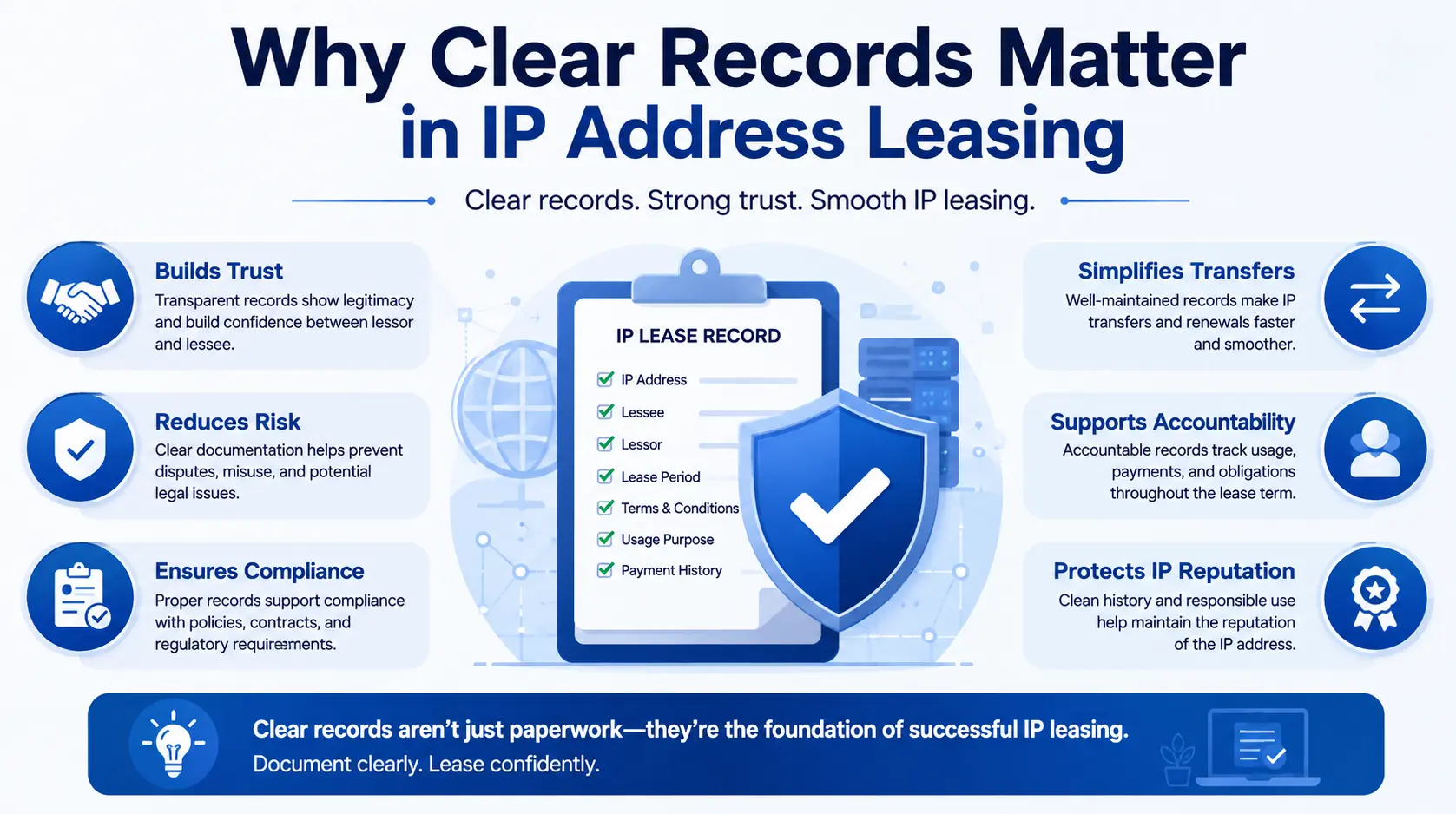
Leasing shifts part of this burden to providers that maintain abuse monitoring systems and address-reputation oversight.
Improved network hygiene
Leasing platforms often integrate IP address management (IPAM), abuse reporting and reputation tracking tools. These systems allow network operators to monitor usage patterns and quickly isolate problematic activity.
This operational oversight can improve overall network security compared with isolated ownership models where organisations manage address resources independently.
IPv6 transition and the future of IPv4 leasing
Although IPv6 offers an almost unlimited address space, adoption remains uneven across regions and industries. Even in recent years, IPv6 deployment has expanded gradually rather than replacing IPv4 overnight.
Research into internet traffic patterns suggests IPv4 remains widely used while IPv6 adoption continues to grow slowly, meaning both protocols coexist in dual-stack environments.
Because of this coexistence, IPv4 resources will remain valuable for years, particularly for services requiring compatibility with legacy infrastructure.
In this transitional environment, leasing provides a pragmatic bridge between scarcity and future abundance.
When ownership still makes sense
Despite its advantages, leasing is not always the ideal solution. Large infrastructure providers, hyperscale cloud companies and established ISPs often prefer ownership because it guarantees long-term access and eliminates recurring lease payments.
Ownership may also provide greater control over routing policies and long-term planning.
However, for many organisations — especially those entering the market or expanding quickly — leasing offers a balance of flexibility, financial stability and operational security.
Conclusion: leasing as a strategic security tool
IPv4 scarcity has fundamentally reshaped the internet’s addressing economy. Where ownership once represented stability, today it often introduces financial exposure, governance complexity and operational constraints.
Leasing IPv4 addresses can mitigate many of these risks by offering predictable costs, faster access to clean address space and greater flexibility in responding to evolving infrastructure needs.
As the internet continues its gradual transition to IPv6, leasing may increasingly function as a security-focused resource strategy, helping organisations navigate the complex and changing landscape of internet addressing.
FAQs
IPv4 uses a 32-bit addressing system with roughly 4.3 billion possible addresses. Rapid internet growth exhausted the available pool.
IPv4 leasing allows organisations to temporarily use address blocks owned by another entity under a contractual agreement.
Leasing reduces financial exposure, allows flexible scaling and often includes reputation management that protects against blacklisted addresses.
Yes. Some large operators purchase address blocks to secure long-term capacity, though leasing is increasingly common.
Eventually IPv6 may reduce reliance on IPv4, but adoption remains gradual, meaning IPv4 resources will remain necessary for many years.