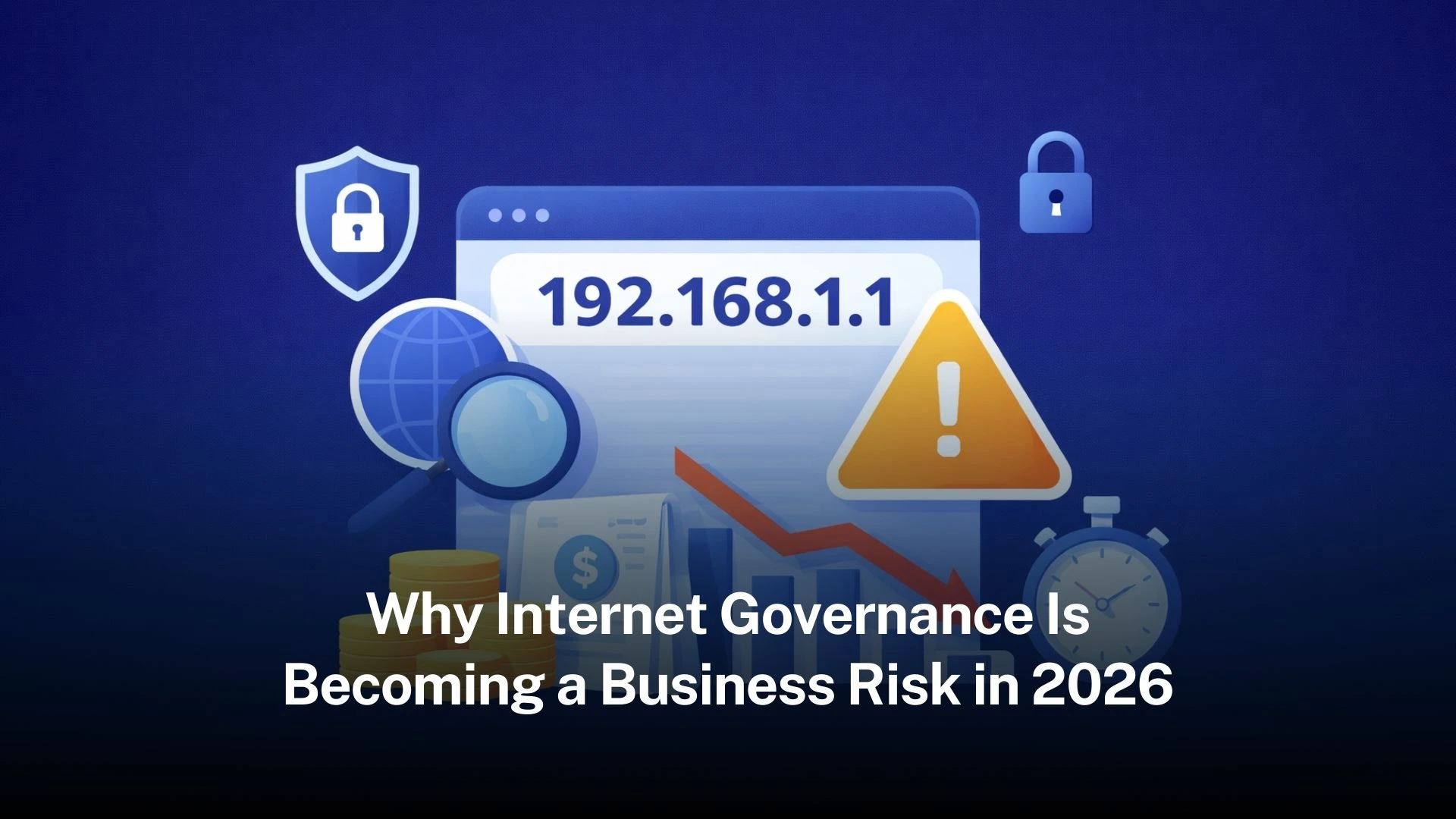
Why Internet governance is becoming a business risk in 2026
Internet governance is emerging as a key business risk in 2026, with regulatory fragmentation, AI oversight gaps and cybersecurity threats creating new strategic challenges.
Companies face heightened exposure to governance-related risk as state actors, technology policies and security regimes reshape digital rule-making.
Weak or inconsistent internet governance frameworks can disrupt data flows, products and market access, forcing business leaders to reassess strategy.
Introduction: internet governance meets commercial risk
In 2026, internet governance is no longer a peripheral policy discussion confined to academic forums and technical communities. What once seemed an abstract concern is now a tangible business risk as governments, regulators and private intermediaries increasingly shape how digital networks, data and services operate. Far from merely submitting to changing rules, companies must now consider internet governance as a strategic factor that can influence market access, compliance costs and operational resilience.
This shift is occurring amid broader risk trends in the global economy and technology landscape. The World Economic Forum’s Global Risks Report 2026 shows that technological risks — especially around digital infrastructure, AI, and cybersecurity — have risen sharply on the agenda of global executives and policymakers. Addressing these challenges requires firms to understand not only traditional internet governance issues, but also how they intersect with national policy and geopolitical tensions.
What is internet governance in 2026?
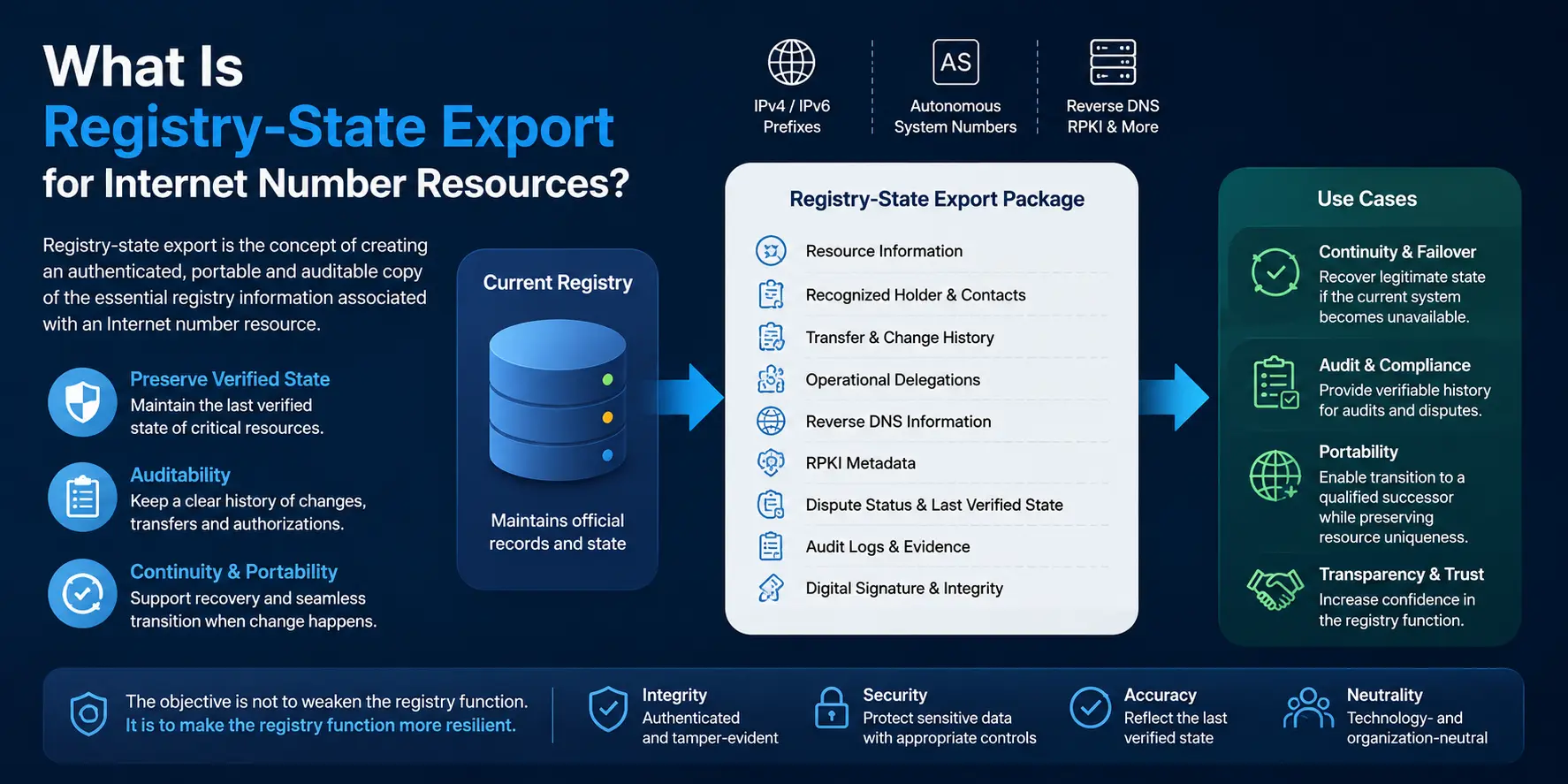
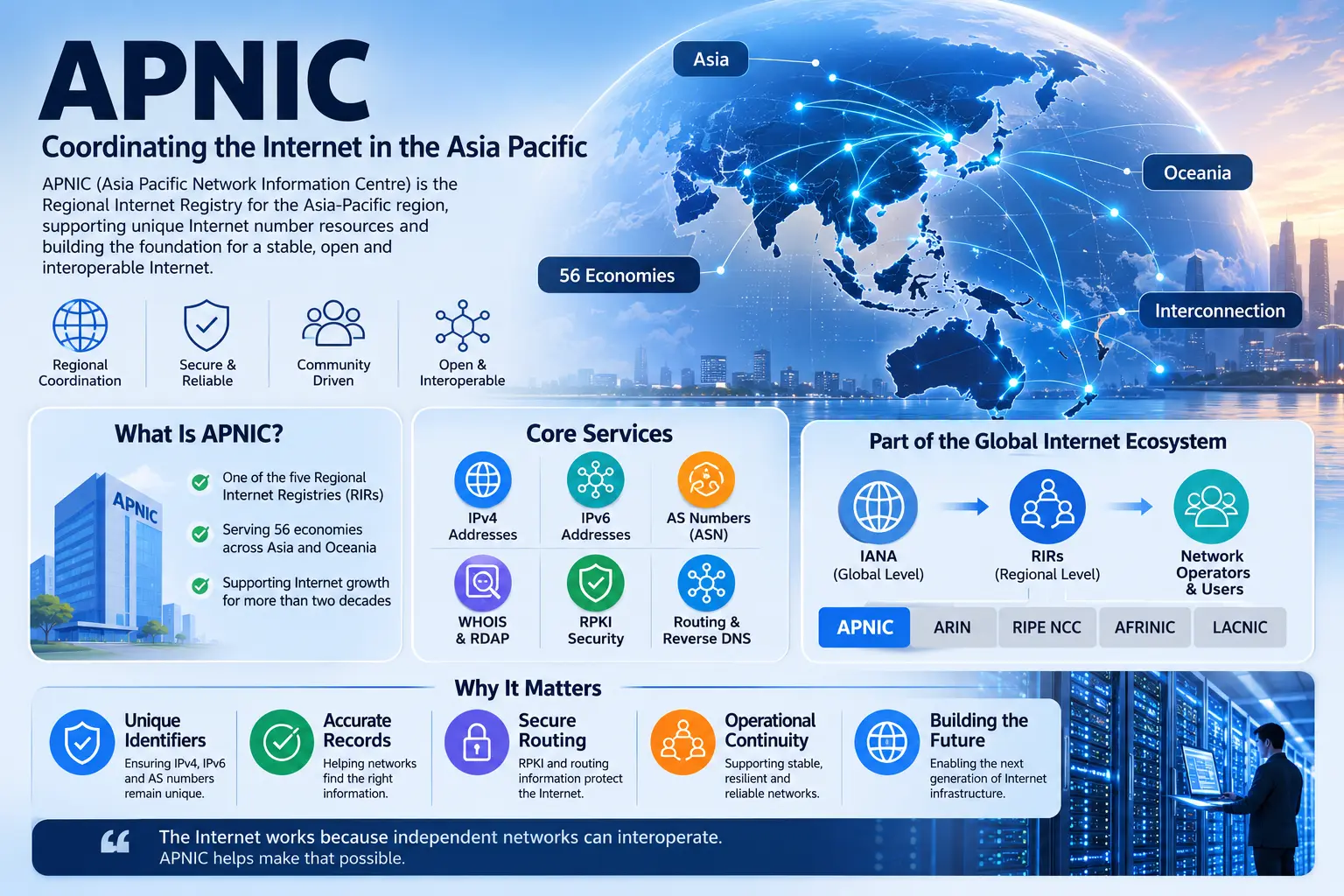
Internet governance refers to the policies, standards and rules governing how the internet functions, who controls key resources, and how disputes or abuses are managed. Historically, bodies such as the Internet Governance Forum (IGF), ICANN and Regional Internet Registries contributed to open, multistakeholder policy development. Yet in 2026, authority is spreading across new regulatory and geopolitical domains.
Scholars and practitioners note that internet governance now overlaps significantly with national security, cybersecurity law, and trade policy — domains where state actors exercise direct control rather than participate in open, consensus-based governance processes. This pluralised environment increases complexity and uncertainty for businesses that rely on predictable digital policy frameworks.
Fragmentation of digital rules
One of the strongest business pressures stems from fragmentation of digital governance. Rather than a unified set of global norms, companies face a mosaic of regulatory regimes. Examples include:
National data localisation rules requiring data storage within borders
Divergent cybersecurity standards across markets
Restrictions on cross-border flows of personal data and digital content
Global advisory firm Baker McKenzie identifies these evolving regulatory demands as a major risk area for international operations in 2026, highlighting rising scrutiny over data flows and infrastructure security as companies expand regionally.
Such fragmentation makes compliance costly and increases the likelihood that firms must tailor products, data practices and contractual terms for each jurisdiction.
AI and internet governance: overlapping exposures
Artificial intelligence has become both a strategic opportunity and a governance risk. As AI systems permeate products and services, the lack of clear governance frameworks can expose companies to legal and reputational risk. Boards and risk professionals now grapple with questions such as:
How will automated decisions be audited and governed?
Who is accountable for AI system outcomes, especially when they impact privacy or safety?
What standards and disclosures will regulators require?
Governance professionals are urging businesses to integrate AI oversight into core risk frameworks rather than treat it as a technical issue. Effective governance, they argue, must include board-level engagement, accountability structures and scenario planning that anticipates evolving regulation and public expectations.
Cybersecurity, outages and monoculture risk
In 2026, cybersecurity remains a dominant concern. A growing reliance on a small set of digital infrastructure — from cloud providers to critical routing systems — increases systemic vulnerability. Reports warn of an “internet monoculture” in which widespread dependence on a few major platforms makes disruptions, outages or breaches far more damaging.
Such dependencies reinforce the need for governance mechanisms that hold service providers and infrastructure operators to account, including:
Transparent incident reporting
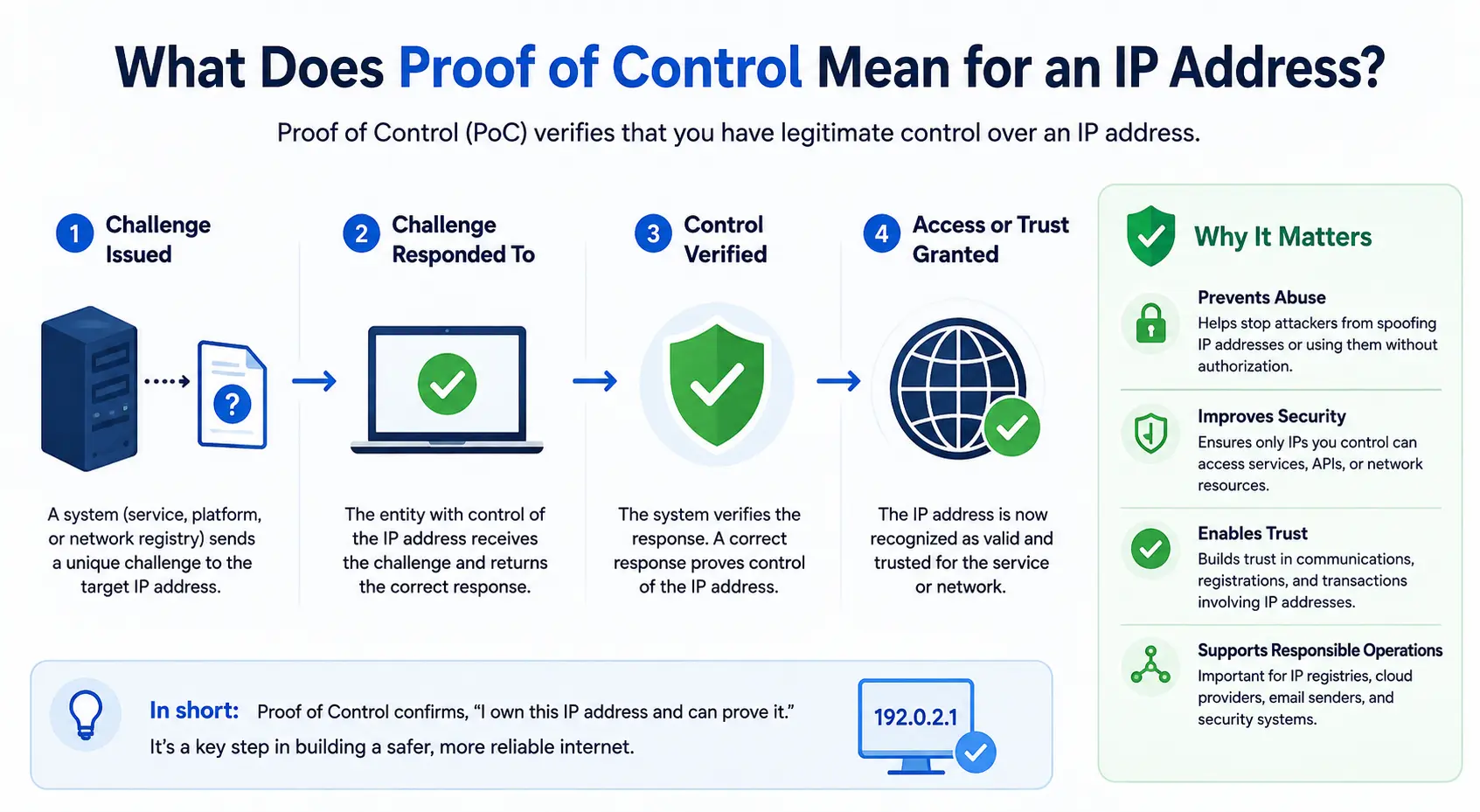
Security standards for network and routing systems
Enforcement mechanisms for breaches and outages
Weak governance in these areas can result in major commercial loss, reputational damage or legal exposure when internet outages or data breaches occur.
Digital sovereignty and geopolitical risk
Beyond technical regimes, internet governance is increasingly shaped by digital sovereignty and national policy priorities. Governments are crafting laws that assert control over digital domains, often in the name of security or cultural policy. For example, national data protection laws may restrict data transfer, while censorship regimes affect content delivery and brand presence.
This shift raises challenges for multinational companies that must reconcile conflicting legal requirements across markets. Compliance can require significant investment in localisation strategies, legal teams and risk controls.
The role of Lu Heng and governance thought leadership
Thought leaders like Lu Heng, a prominent internet governance expert, emphasise the importance of sustainable, fair governance frameworks that balance commercial innovation with public interest. According to discussions on internet governance fundamentals, weak accountability at critical infrastructure levels can create systemic risks — where failures at a single registry or resource authority ripple across the global network.
Strategic risk management: adapting to governance realities
To navigate the growing business risk posed by internet governance in 2026, companies should consider:
Integrating governance risk into enterprise risk frameworks
Mapping jurisdictional requirements for digital services, cybersecurity and data
Engaging in policy forums and industry consortia to influence practical standards early
Building resilience through diversified infrastructure and compliance investments
Boards must move beyond passive oversight to active engagement in digital policy, recognising that governance risk can directly affect market access, product viability and overall strategic success.
FAQs
Internet governance refers to the policies, standards, technical protocols and decision-making processes that shape how the global internet operates, including data flows, security, infrastructure and content distribution.
National governments often legislate digital regulations for data protection, cybersecurity and content control, which can conflict with other countries’ laws and complicate cross-border operations.
Companies should adopt comprehensive risk frameworks, align governance with strategic planning, invest in compliance infrastructure and participate in industry and multistakeholder policy forums to shape practical standards.