Internet Governance in 2026: Why Decentralisation Matters
Decentralisation and multistakeholder governance aim to balance stability, inclusion and transparency in how the internet and IP addresses are managed.
The way IP addresses are governed shapes global connectivity, economic opportunity, competition and the long-term resilience of the internet.
Why Internet Governance still matters in 2026
Internet governance describes the rules, institutions, processes and collaborations that shape how the internet operates globally. It covers technical systems such as IP address allocation and routing, as well as policy issues like access, cybersecurity, data flows, sovereignty and accountability. Even though much of it is technical, governance decisions influence who connects, how networks interoperate and who benefits from the digital economy.
In 2026, this conversation is more relevant than ever. The internet is now essential economic infrastructure. Governments rely on it for public services, businesses depend on it for global trade, and communities around the world depend on it for communication and opportunity. Because of this, the question of who influences its structure and howdecisions are made has become a strategic issue, not just a technical one.
The central role of IP addresses
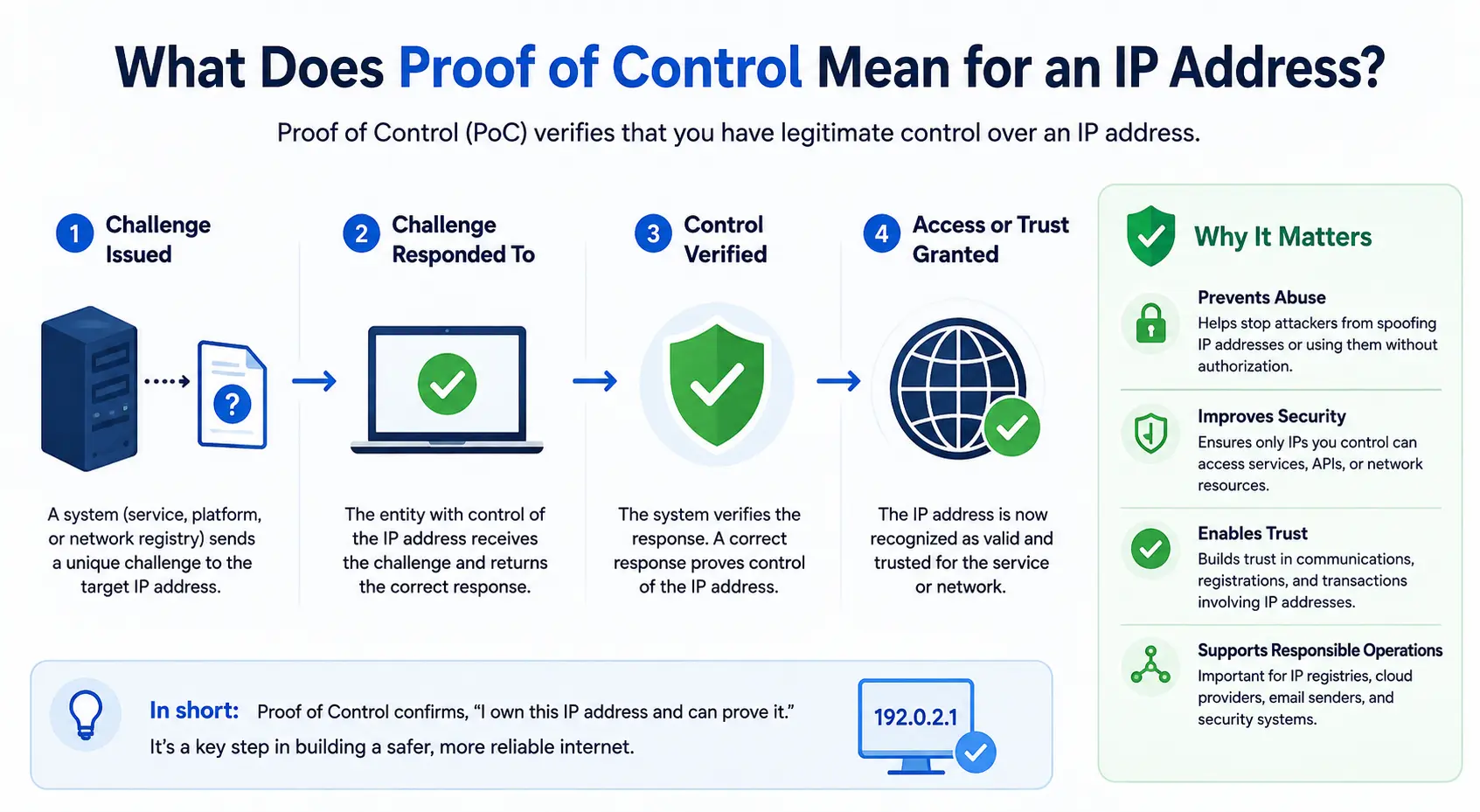
At the heart of internet governance is the management of IP addresses. Every device connected to the internet requires a unique address so data can reach the correct destination. Without reliable allocation and management of these numerical identifiers, the internet simply would not function.
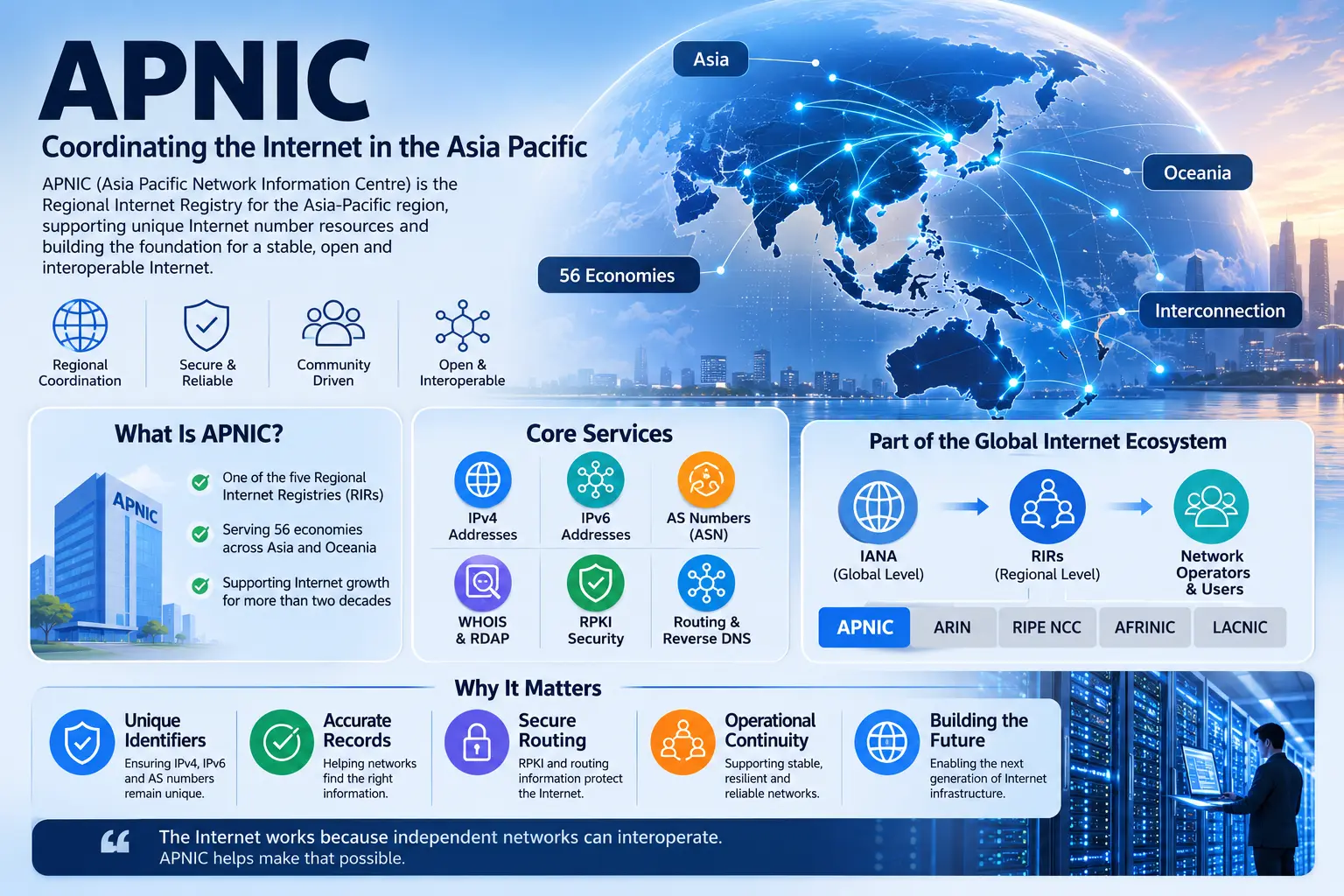
IP address governance follows a structured hierarchy. A coordinated global authority manages the top-level allocation of IP address space. Regional organisations then distribute addresses across different parts of the world, and from there, local networks and operators assign addresses to businesses, infrastructure and end-users.
This layered system ensures uniqueness, prevents duplication, supports routing stability and maintains trust in how the global network operates. It has historically been cooperative, technically driven and consensus-based.
Why decentralisation is becoming more important
Decentralisation is now a core principle in discussions about the future of the internet. It does not mean chaos or an absence of coordination. Instead, it means spreading authority, improving transparency and ensuring that more voices have the ability to participate in key decisions.
The multistakeholder model
Today’s dominant structure is known as the multistakeholder model. Governments, private sector companies, technical experts, civil society groups and users work together to shape rules and standards. No single actor is meant to dominate.
Supporters argue that this model protects the openness of the internet. It helps prevent political capture, protects innovation and ensures decisions are based on real operational experience rather than only political interests. It also encourages global dialogue and reduces the risk of unilateral control over essential internet resources such as IP addresses.
This approach has received ongoing support from international discussions and forums, reinforcing the idea that the internet should remain governed collaboratively rather than controlled by a small number of powerful states or organisations.
The risks of centralisation
Concerns arise when parts of the system appear too centralised. Some critics worry that concentrating decision-making power could undermine fairness or leave certain regions under-represented. Others point to geopolitical tensions and fear that technical decisions may increasingly be influenced by political agendas.
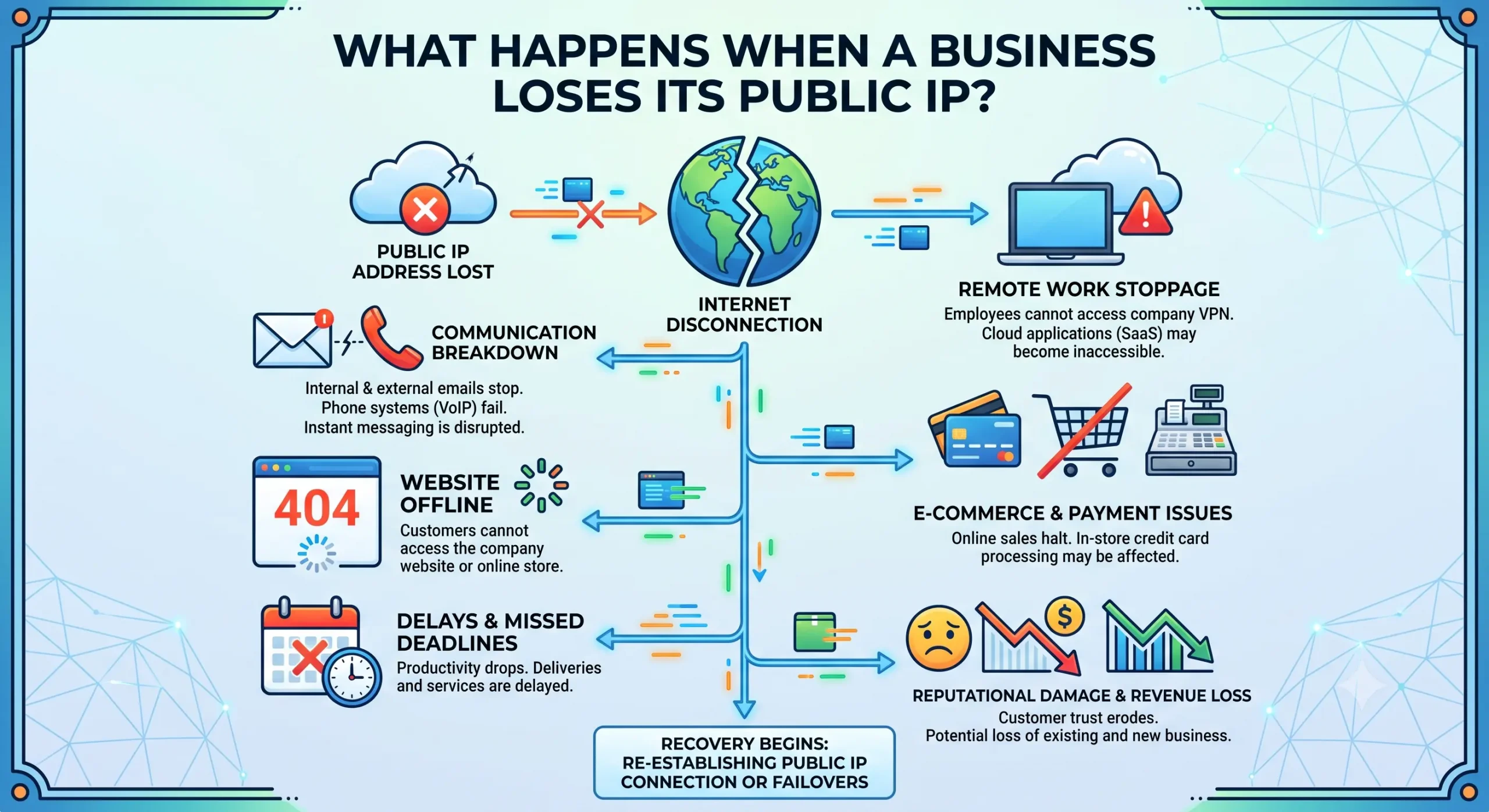
Centralisation can also create operational risks. If too much authority sits in too few institutions, it may become a single point of failure. In an era where internet infrastructure is critical to national security and global commerce, resilience matters.
There are also debates about whether some regions receive sufficient influence in how address policies are shaped. Many argue that local communities, especially in developing regions, should play a stronger role in defining how scarce resources are managed and how future connectivity growth is supported.
Emerging ideas: decentralised technical models
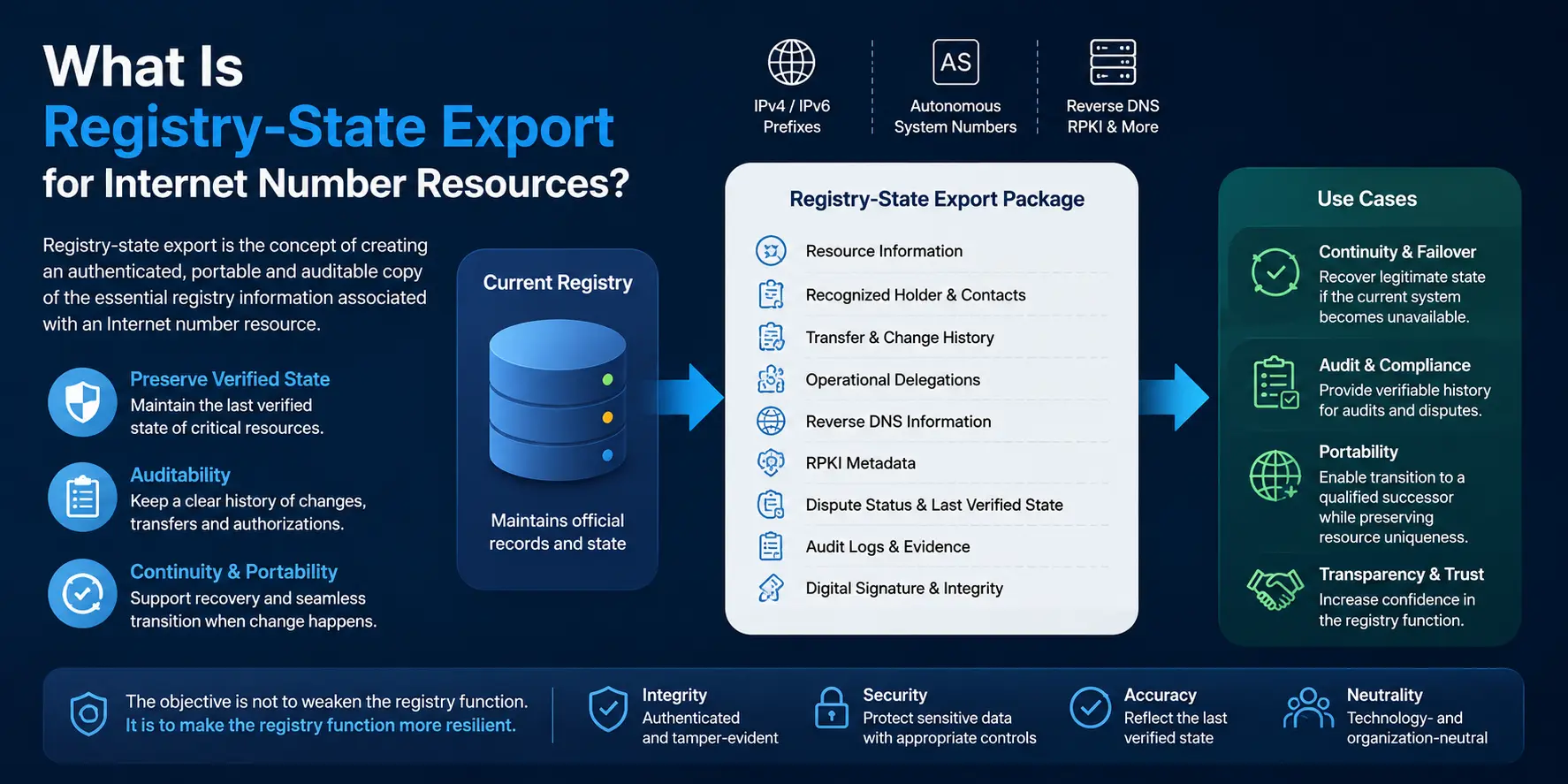
Alongside governance conversations, technological decentralisation has also attracted attention. Researchers and engineers have explored whether distributed technologies could be used to record or manage address allocations in more transparent and tamper-resistant ways.
For example, academic proposals have examined whether distributed ledger systems could make allocation records more open while still ensuring uniqueness and reliability. These ideas remain experimental. They face technical complexity, scale challenges and policy considerations, but they demonstrate how decentralisation thinking is expanding beyond policy into technical innovation.
Even so, the current model remains essential. Global internet stability depends on reliable address uniqueness, coordinated routing and strong interoperability. Any new approach must support these fundamentals rather than disrupt them.
Connecting decentralisation debates with IP governance
It is important to distinguish between hype around decentralised applications and the foundational realities of internet infrastructure. IP address governance is not about social platforms or financial technologies. It is about ensuring that every connected device can communicate reliably and securely.
While decentralised applications may reshape parts of the digital economy, the management of core internet resources still relies on mature institutions, experienced operators and agreed-upon technical standards. Discussions about decentralisation are therefore less about replacing existing systems and more about strengthening transparency, participation and fairness within them.
Expert perspectives and global direction
Leaders in the internet community consistently highlight that inclusive, collaborative governance produces better outcomes. Technical organisations stress that cooperation across governments, engineers, businesses and civil groups is essential to maintaining connectivity and security. International processes reinforce that the internet must remain open, interoperable and governed through shared stewardship rather than dominance.
At the same time, policy voices around the world increasingly connect decentralisation with digital sovereignty and economic independence. Countries want assurance that they can rely on the global internet without being subject to unilateral decisions made elsewhere. This strengthens the case for broader participation and shared governance responsibilities.
Stability versus transformation
The challenge is balancing innovation with stability. The internet has grown successfully under existing frameworks, which have proven remarkably resilient. Any structural change must therefore be cautious and grounded in technical reality.
Decentralisation is not an instant solution. It is a gradual evolution—strengthening regional input, improving transparency, broadening accountability and exploring complementary technologies while retaining the operational integrity that makes the internet function.
If done responsibly, decentralisation can increase trust, reduce geopolitical friction, support fairer access to IP address resources and help future-proof the global network.
What a decentralised future may look like
A more decentralised era of internet governance could include:
Stronger regional participation in technical policy development
Greater community and stakeholder involvement in address governance
Safeguards ensuring no single authority can compromise global internet functioning
Complementary technologies supporting transparency and record integrity
Continued commitment to collaboration, interoperability and technical excellence
Rather than dismantling current systems, decentralisation is likely to reshape them, distributing influence more fairly while maintaining the technical reliability the world depends on.