
Top Challenges IP Brokers Face in the IPv4 Market
Internet Service Providers (ISPs) distribute addresses through hierarchical IP address allocations obtained from IANA and Regional Internet Registries (RIRs).
The Critical Role of IP Allocation in Large-Scale Networks
The Critical Role of IP Allocation in Large-Scale Networks
Internet Service Providers (ISPs) are the backbone of Internet infrastructure. They operate vast networks that ensure millions of users can access the global digital ecosystem. One of an ISP’s main responsibilities is managing IP address allocation, a process that is essential because it enables devices to communicate with one another over the Internet.
For large ISPs, IP address management (IPAM) is a complex and ongoing challenge. It involves not only assigning new addresses, but also using this limited resource efficiently. An ISP’s ability to manage IP addresses directly affects the speed, reliability, and scalability of the Internet services it provides.
Understanding how ISPs perform this task requires a close look at the specific IP allocation process, the role of registries, and the technologies ISPs use to keep their networks running smoothly.
RIRs and the Hierarchical Allocation Mechanism
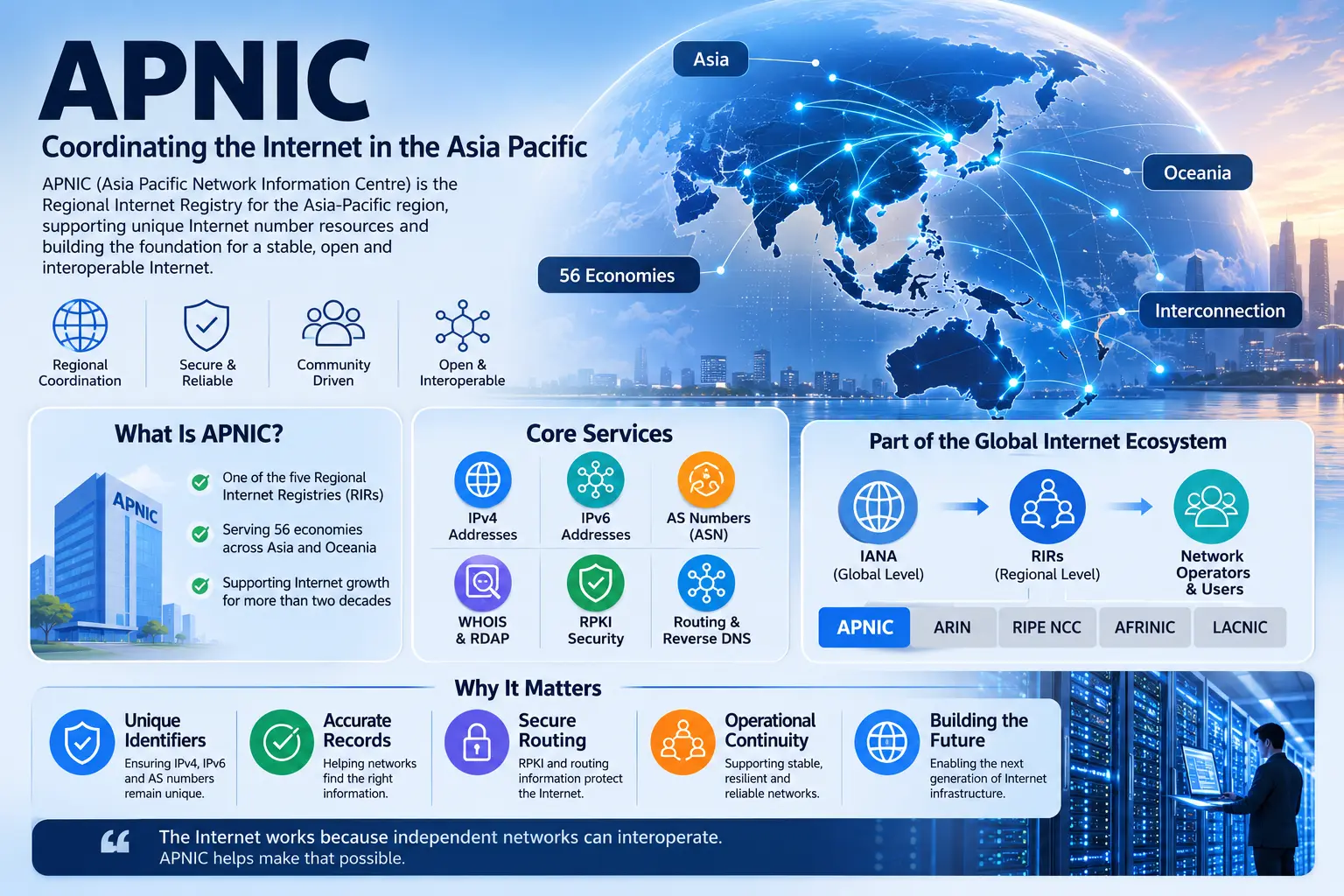
Each Regional Internet Registry (RIR) acts like a regional wholesaler, allocating large blocks of IP addresses to Internet Service Providers (ISPs), which then assign those addresses to their customers. The process is hierarchical: IANA sits at the top, followed by the RIRs, and finally the ISPs.
An ISP typically obtains a block of IP addresses from an RIR according to its needs, then divides the addresses into smaller subnets for customers. Large ISPs need more IP space because their networks are larger.
For example, a regional ISP serving a small city might receive a /24 block containing 256 addresses, while a large national ISP covering a broader service area might receive a /16 block containing 65,536 addresses.
Greg Shatan, chair of ICANN’s Intellectual Property Constituency, says this allocation process ensures that every ISP has enough resources to deliver services while preventing anyone from hoarding IP address space.
The Complexities of IPv4 Exhaustion
IPv4 address space is running out, creating a major challenge for ISPs. The shortage of IPv4 addresses has forced many ISPs to seek other solutions, such as using IPv6, adopting Network Address Translation (NAT), or obtaining IP addresses from the secondary market.
Shatan says IPv4 exhaustion is a major issue and ISPs must be highly strategic when allocating addresses to ensure they do not run out too soon.
Many ISPs have begun using IPv6 to prepare their networks for the future, but migration from IPv4 to IPv6 is slow because many legacy devices and networks still use IPv4. Wider IPv6 adoption is essential to the Internet’s continued growth, but the transition is both slow and complex for ISPs.
Best Practices for IP Address Management
To manage IP allocation effectively, ISPs use IP address management systems (IPAM). These systems automate the allocation, configuration, and management of IP addresses within an ISP’s network. Modern IPAM systems help ISPs map their network infrastructure and track address usage, ensuring that no addresses are wasted.
Another best practice is subnetting, which divides large blocks of IP addresses into smaller, manageable units. This allows ISPs to assign subnets to different departments or types of customers and use available address space more efficiently.
Meynell says the key is to use address space efficiently. ISPs that fail to manage their IP resources properly may exhaust available addresses sooner than expected.
The Rise of IPv6 Migration
Although IPv4 exhaustion is a problem, IPv6 adoption is gradually increasing. IPv6 has an enormous address pool of about 340 undecillion addresses, more than enough to meet the growing demand for IP addresses.
Migration to IPv6 requires adjustments by both ISPs and customers, as well as upgrades to network infrastructure. Many ISPs already offer IPv6 support to new customers while continuing to manage IPv4 resources for existing users.
Meynell says the shift to IPv6 is slow but inevitable. It is not only about IP addresses; it is about preparing the entire Internet infrastructure for the future.
How ISPs Use IP Address Trading
As IPv4 addresses become increasingly scarce, a secondary IP address market has emerged. In this market, ISPs and organizations can buy and sell IP address blocks that are no longer needed or are surplus to requirements. The market helps ISPs obtain the resources they need without relying entirely on RIR allocations.
The IP address market is tightly regulated, and buyers and sellers must work through brokers and follow legal requirements to ensure transactions are legitimate. However, IP address trading has also raised concerns that a small number of groups could control most address blocks, potentially affecting network fairness and competition.
Shatan says IP address trading can indeed help ISPs manage resources, but it can also be abused if it is not properly regulated, and the risk of hoarding IP addresses deserves attention.
Security Considerations in IP Address Management
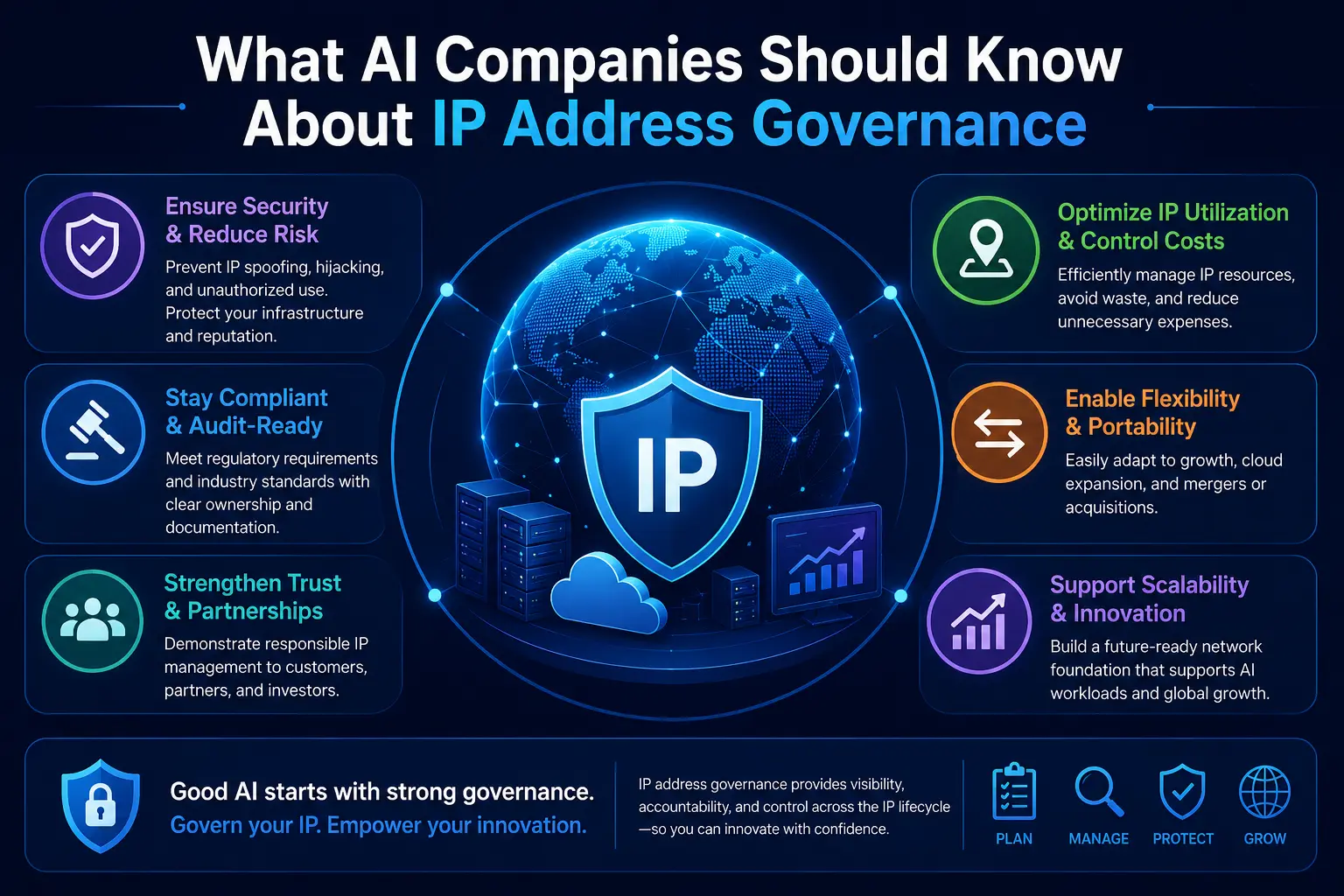
Good IP address management must also address security. ISPs must ensure that the IP addresses assigned to customers are properly protected against misuse, including DDoS attacks, IP address spoofing, and other harmful activity.
ISPs use tools such as Border Gateway Protocol (BGP) monitoring and DNS Security Extensions (DNSSEC). These tools protect allocated IP space and help ensure that address assignments are valid.
Meynell says security is always a top priority for ISPs that manage IP resources. A poorly managed IP address pool can lead to cyberattacks and data breaches.
The Role of ISPs in Global Internet Governance
ISPs play an important role in global Internet governance, influencing the Internet’s future through their work allocating and managing IP addresses. ISPs rely on regional registries for address space and also participate in global discussions about Internet governance policy.
For example, ICANN and the Internet Engineering Task Force (IETF) often consult ISPs about the future of Internet protocols and the management of IP resources. These discussions ensure that current policies can support the growing demand for Internet connectivity.
Shatan says ISPs are not merely service providers; they are also important forces shaping the Internet’s future. The views of ISPs are essential to keeping the Internet open, accessible, and secure.