What Is NLP (Natural Language Processing)?
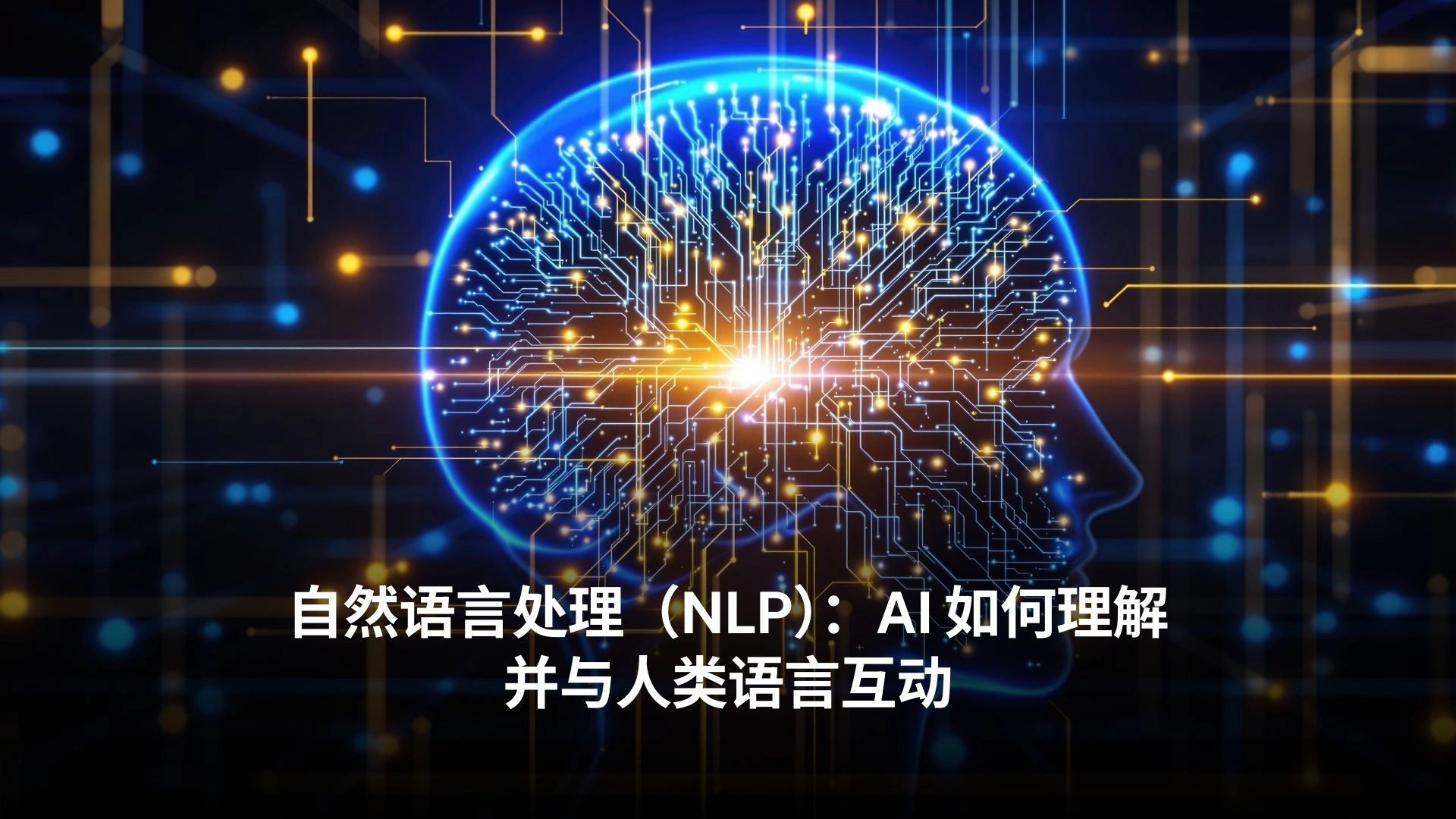
Natural language processing (NLP) is a branch of artificial intelligence (AI) focused on enabling machines to understand, interpret, and respond to human language in meaningful and useful ways. **Simply put, it acts as a bridge between human language and computers, helping computers better understand and process human communication.
What Does NLP Do?
NLP teaches computers to:
Understand language: for example, the meaning of sentences, phrases, and even slang.
Generate responses: such as writing a reply to a message.
Analyze language: breaking text down to extract useful information such as sentiment or key topics.
Examples of NLP in Everyday Life
You interact with NLP (natural language processing) almost every day, perhaps without realizing it. Here are some examples:
Virtual assistants:
Siri, Alexa, and Google Assistant use NLP to understand your voice commands and provide answers.
Example: “What’s the weather like today?”Search engines:
Google uses NLP to understand your search terms and provide the most relevant results, even when a question is ambiguous.Chatbots:
Customer-service chatbots use NLP to answer questions or solve problems instantly.Email filtering:
NLP powers spam filters that keep unwanted messages out of your inbox.Translation tools:
Tools such as Google Translate use NLP to convert text between languages while preserving the original meaning and context as closely as possible.Content recommendations:
Platforms such as Netflix and Spotify analyze user reviews or song lyrics and use NLP to provide more accurate recommendations.
How NLP (Natural Language Processing) Works
NLP involves several key tasks:
Tokenization: Dividing text into smaller units such as words or phrases.
Example: “I love pizza!” becomes [“I”, “love”, “pizza”].
Sentiment Analysis: Determining whether a piece of text is positive, negative, or neutral.
Example: the review “The movie was amazing!” expresses positive sentiment.
Named Entity Recognition (NER): Identifying specific entities in text, such as people, dates, or places.
Example: in “Apple released the iPhone 15 in 2023,” the entities are Apple, iPhone 15, and 2023.
Speech Recognition: Converting spoken language into text.
Example: dictating a message to Siri.
Machine Translation: Translating text from one language into another.
Example: translating “Bonjour” into “Hello.”
Why Is NLP (Natural Language Processing) Important?
NLP is essential because it makes human-computer interaction natural and efficient. Instead of requiring people to learn how to communicate with machines through methods such as programming languages, machines can adapt to human language. This breaks down communication barriers and creates new ways to interact with technology.
NLP has made technology more intelligent and more human-centered. Whether Google is providing a quick answer or a chatbot is handling your question, NLP lies at the heart of modern AI-powered solutions. As technology continues to advance, human-computer interactions will become more intuitive and seamless.