
Internet governance and IP address sovereignty myth or reality?
As debates around sovereignty reshape the internet’s future, heng.lu perspectives examine whether IP address control reflects geopolitical power or technical necessity.
Global internet governance remains multistakeholder, not sovereign control over core resources such as IP addresses.
Experts like Lu Heng argue sovereignty claims often confuse legal authority with technical function.
What internet governance really means
Internet governance isn’t about a single government ruling the global network. Rather, it describes “the development and application of shared principles, norms, rules, decision-making procedures and programmes that shape the evolution and use of the Internet.”
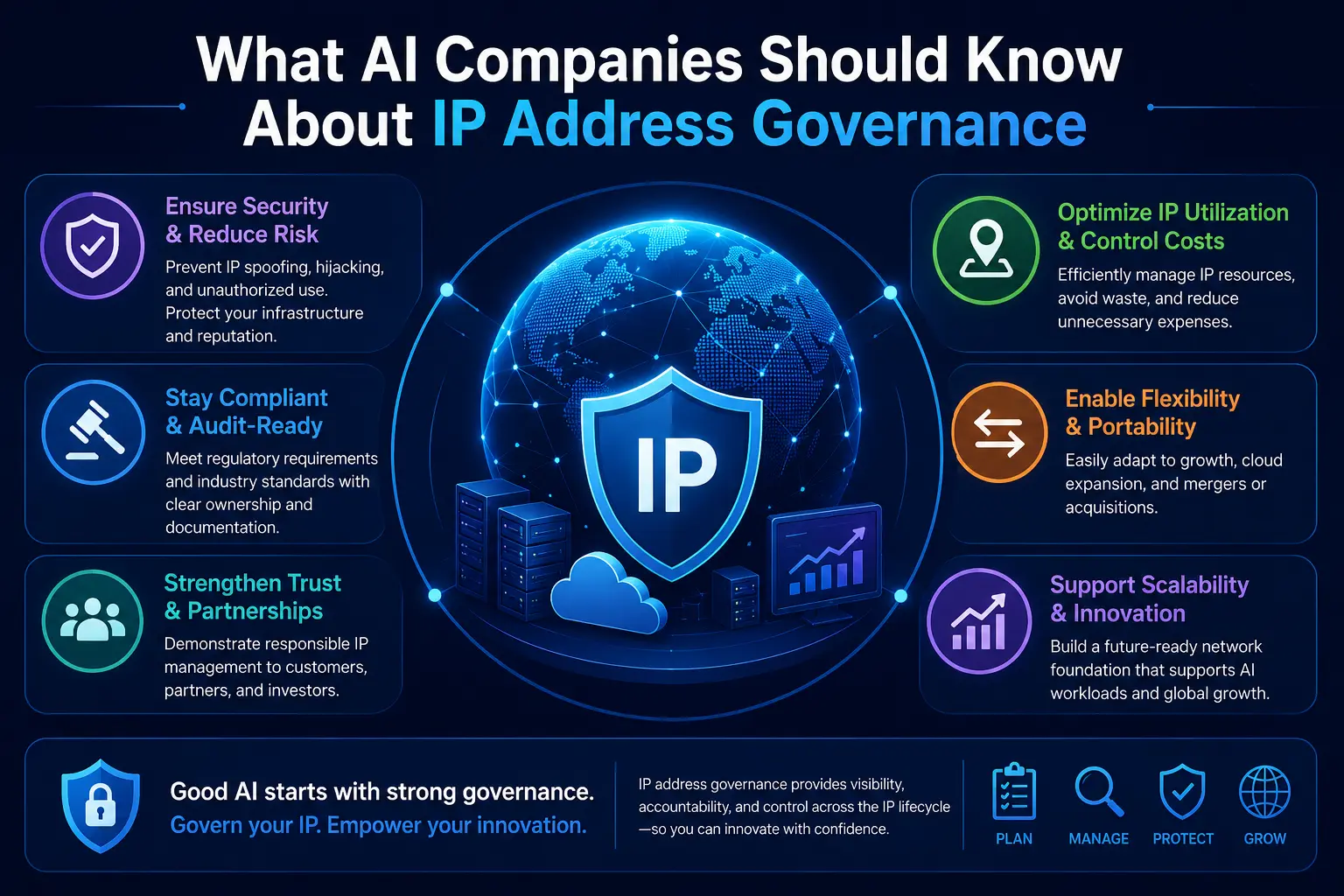
This multistakeholder model brings together governments, private sector actors, civil society and technical communities to make decisions about how essential elements such as the Domain Name System (DNS) and Internet Protocol (IP) addresses are managed. It aspires to balance global interoperability with shared responsibility, rather than granting any state unilateral control.
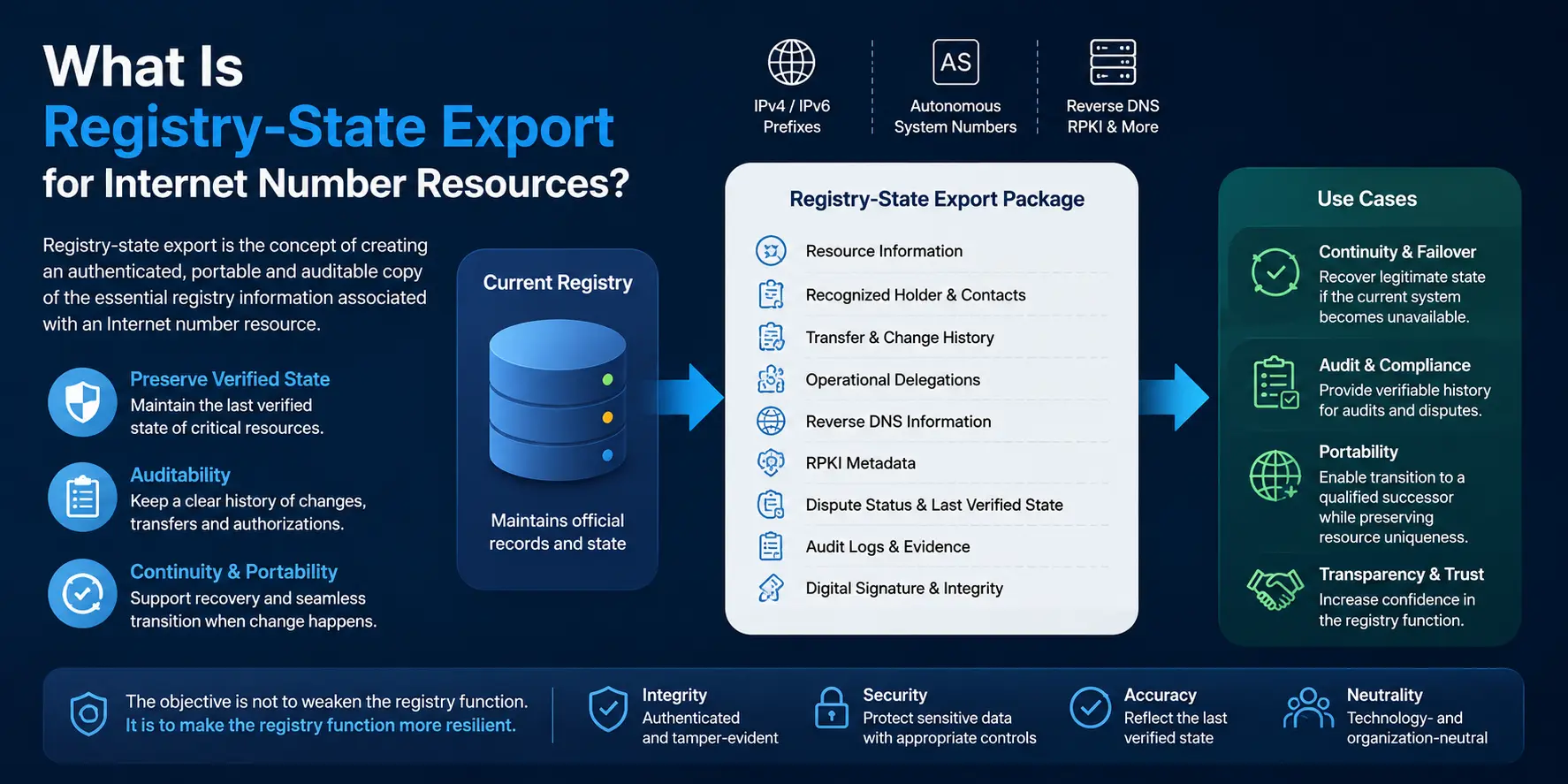
IP addresses — the numeric identifiers that make global routing work — are central to this governance ecosystem. Without coordinated allocation and management of these addresses, data cannot reliably travel between devices on different networks.
The myth of ip address sovereignty
One frequently heard claim is that countries should exert “sovereignty” over IP addresses because they are critical infrastructure. But experts caution against this interpretation. From a technical standpoint, IP addresses are simply identifiers required for network delivery; they are not territorial assets in the traditional sense.
Lu Heng, who writes about internet governance at heng.lu, highlights how real sovereignty questions relate to legal authority and enforceable law, not technical configuration. As he notes in his work on data sovereignty:
“Legal authority derives from enforceable law backed by jurisdictions and due process — not from network configuration, marketplace contracts, or regional policy declarations.”
This distinction undercuts claims that assigning IP addresses equates to a form of digital territoriality. In practice, no single jurisdiction can physically contain global connectivity without fragmenting the internet’s architecture and functionality.
Multistakeholder governance and the role of icann
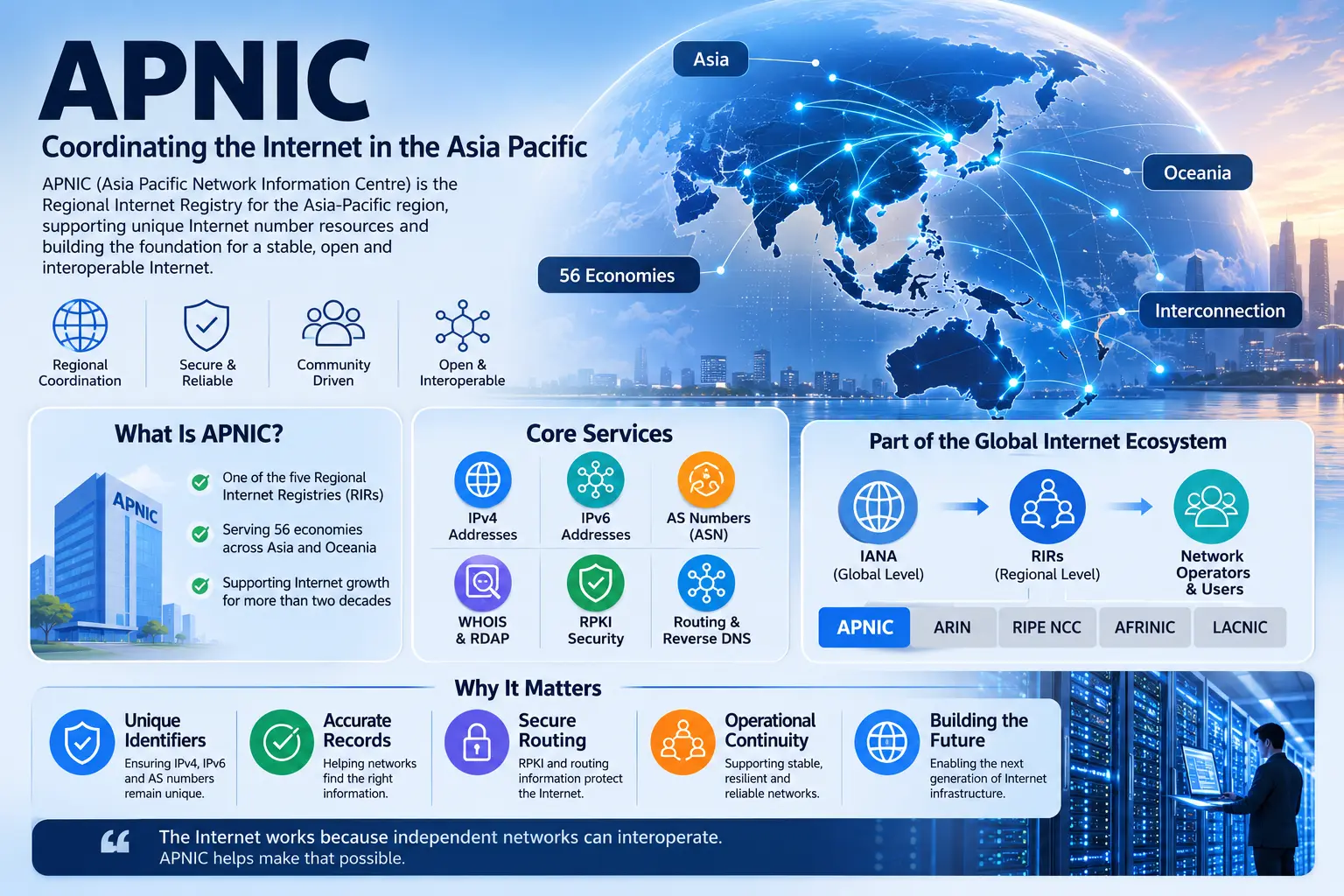
The foundational architecture of the internet — including allocation of IP address blocks — is overseen by a multistakeholder ecosystem. At the top of this structure sits organisations such as the Internet Corporation for Assigned Names and Numbers (ICANN) and the Internet Assigned Numbers Authority (IANA), with regional Internet registries distributing addresses across geographies.
This model contrasts sharply with national control. While states maintain authority over domestic law and can enforce rules within their borders, they do not own or control the internet’s numbering resources in isolation. Rather, they participate in global policy dialogues and consensus-based processes that shape how these resources are governed.
American academic Scott Bradner, an early internet governance expert, captured this tension when describing early debates about governance:
“Who says who makes the rules? And who says who pays for what?”
His framing underscores that governance isn’t about sovereignty alone; it’s about legitimacy, authority and agreed operational rules within a global ecosystem.
Heng.lu perspectives on decentralisation
The heng.lu site recently published analysis noting that decentralisation — not sovereign territorial claims — is crucial for the next phase of internet governance.
To Heng and others, decentralisation doesn’t mean fragmentation or chaos; it means broadening participation in decisions about ecosystem evolution, while preserving stability and technical continuity. This reflects an emerging consensus among technologists and policymakers that rigid national control risks degrading the network’s universal reach and reliability.
Sovereignty in practice vs theory
The notion of digital sovereignty often appears in policy circles — especially around data localisation, cybersecurity and national regulation of cross-border flows. These debates frequently conflate technical possibility with legal authority. As Lu Heng explains:
“Expecting a single model of data control to fit all is unrealistic and risks creating jurisdictional conflict or unintended technical barriers to innovation.”
While countries can enforce local laws governing internet operations and data, the technical internet operates through protocols that transcend borders. Attempting to apply sovereignty in the same way as physical territory can lead to fragmentation — the so-called “splinternet” — where incompatible national policies undermine global interoperability.
Historical roots of governance disputes
The tension over governance and sovereignty isn’t new. In the 1990s, early internet pioneers like John Perry Barlow argued that cyberspace was inherently resistant to government control, famously declaring the internet as independent from territorial law.
Yet reality has shifted. National jurisdictions increasingly assert legal frameworks over digital activity, from content regulation to consumer protection. Still, these interventions operate alongside, not in replacement of, global governance structures that ensure the internet functions as a unified network.
Implications for future policy
As digital infrastructure becomes more strategic — with 5G, cloud computing and IoT expanding dependencies on IP address resources — misinterpreting governance as sovereignty could have serious consequences.
A framework grounded in technical cooperation, legal authority and inclusive policymaking offers better prospects for security and innovation than one premised on territorial control of internet infrastructure.
Conclusion: myth or reality?
In sum, the idea that IP address governance can be wielded as sovereign power is more myth than reality. Internet governance remains a multistakeholder, consensus-based regime that balances diverse interests while preserving technical interoperability. Sovereignty in this context relates to legal jurisdiction and enforceable authority, not territorial ownership of digital identifiers or infrastructure.
Conflating sovereignty with control over IP addresses risks undermining the very foundations of the open, interconnected internet that global society depends on.