
How CTOs are reducing IT costs through smarter IP lifecycle management
This guide provides a systematic overview of IP infrastructure, explaining the critical role of IP addresses in enabling network connectivity and service delivery, and emphasizes the importance of robust IP address management for the efficient operation of modern networks.
Key Points
It provides a detailed overview of the core components of IP infrastructure, including IP address planning schemes, routing protocols, and standardized management methods, helping enterprises build scalable and reliable network architectures.
It analyzes the management and operational challenges faced in large-scale network environments and explores strategies organizations adopt to optimize IP address allocation, improve routing efficiency, and maximize resource utilization.
Growing IP Address and Network Resource Cost Burde
Growing IP Address and Network Resource Cost Burden in Technology-Driven Enterprises
For technology-driven organizations, IP addresses—including IPv4 blocks, IPv6 allocations, leased resources, and routing assignments—form the foundation of digital infrastructure. They support network expansion, service delivery, and global connectivity. However, as enterprises expand across regions, adopt cloud-native architectures, and grow their user base, reliance on IP address resources increases significantly—bringing corresponding operational costs. These costs may include address acquisition or leasing fees, RIR (Regional Internet Registry) membership and allocation fees, BGP routing and network engineering operation costs, abuse handling and blacklist remediation expenses, and even legal costs arising from routing disputes or misuse. Without effective governance, these expenses can accumulate quickly, putting unnecessary pressure on the IT budget.
Many organizations still manage IP address resources in a fragmented manner: data scattered across multiple spreadsheets, outdated IPAM (IP Address Management) tools, manual ticketing workflows, and siloed management architectures across data centers and cloud platforms. This decentralization leads to insufficient visibility and standardization, resulting in common inefficiencies such as overlapping allocations, inconsistent subnet planning, idle or underutilized address blocks, delayed abuse response, and the need to lease or purchase additional addresses due to mismanagement. Consequently, CTOs and network managers are not only responsible for ensuring network stability and performance but also for ensuring that every IP resource investment delivers tangible business value. Optimizing the full lifecycle management of IP addresses has thus become a strategic priority, helping reduce costs, improve operational agility, and build a scalable, future-ready network architecture.
The Concept and Core Value of IP Lifecycle Management
As a leading provider of IP intelligence and network resource management solutions, Clarivate defines IP Address Lifecycle Management (IP LM) as a “unified” management approach integrating professional services, resource data, analytical tools, and technical platforms, covering the entire lifecycle of IP address assets—from acquisition, allocation, and routing planning to usage monitoring, abuse handling, renewal, and reclamation. Its core goal is to replace fragmented traditional management methods with an end-to-end IP address management system (IPAM/IPMS), thereby eliminating operational inefficiencies, reducing costs and risks, and ensuring that IP resource strategies align with overall business objectives.
A complete IP address lifecycle management framework typically includes the following key components:
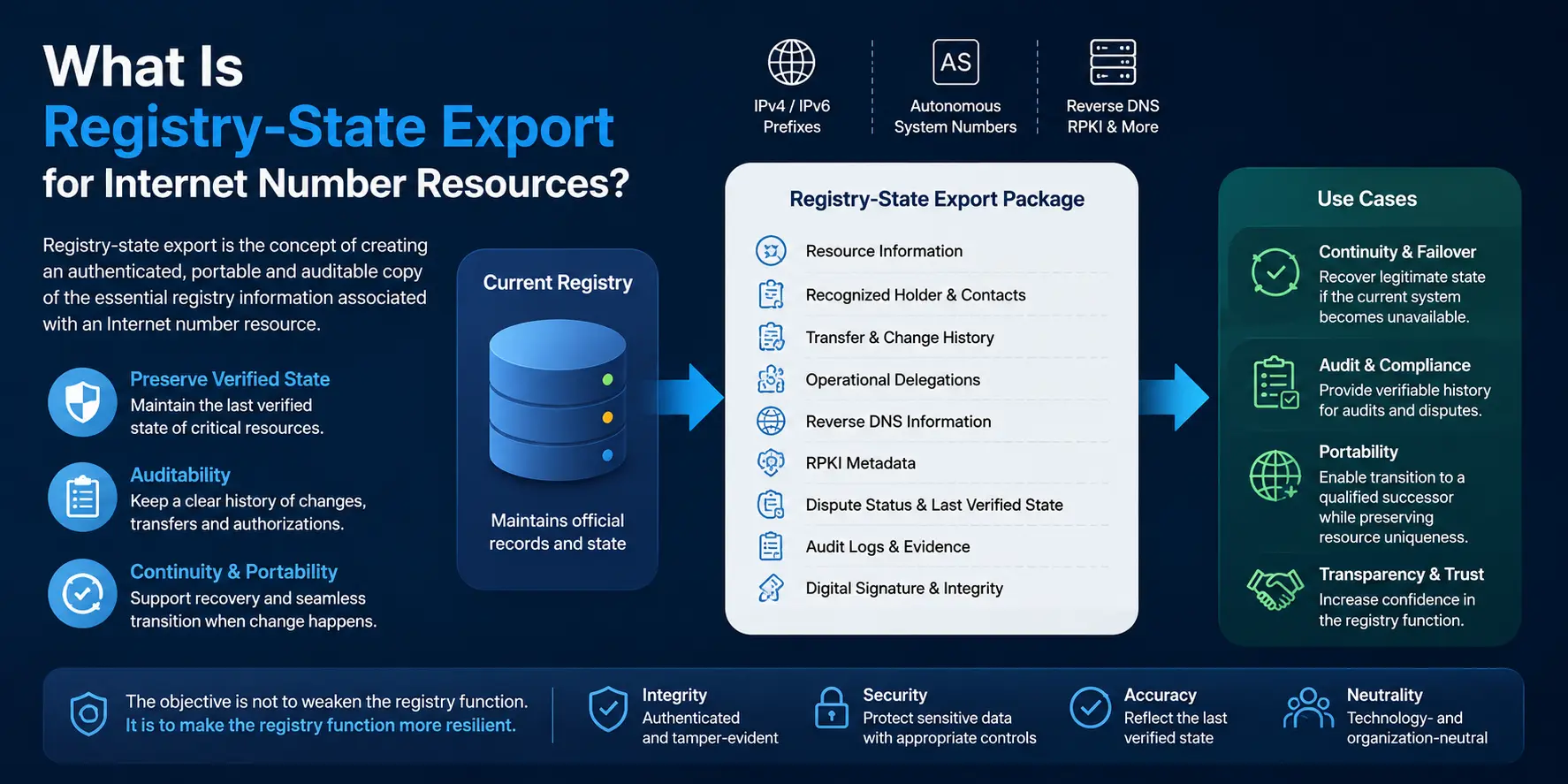
Centralized Resource Database: Consolidates all IP address resources, including IPv4 and IPv6 blocks, leased ranges, BGP route assignments, and related metadata, covering cross-region deployments and multi-cloud environments to ensure end-to-end visibility and unified governance.
Automated Transaction Management and Expiry Alerts: Provides automated alerts for key events such as address renewals, lease expirations, AS number updates, and route maintenance, significantly reducing the risk of resource failure or cost increases due to human error.
Real-Time Dashboards and Analytics Tools: Support monitoring of IP utilization, routing health, abuse events, blacklist status, and cost trends, helping enterprises forecast resource needs, optimize budgets, and guide strategic decisions such as leasing, reclamation, or expansion.
Cross-Functional Collaboration Mechanisms: Enable process coordination among network operations, cloud architecture, cybersecurity, finance, and business teams to ensure IP address policies align with network planning, business expansion, and cloud transformation priorities, avoiding redundant purchases or underutilized resources.
Evidence of Cost-Saving Benefits: Data and Case Studies
Industry research and practical experience demonstrate that a unified IP address lifecycle management system can deliver significant cost savings. According to Clarivate, enterprises adopting centralized IP lifecycle management can improve cost efficiency by approximately 30% compared to those using fragmented tools and independent systems. For multinational companies operating global networks with large address pools, such efficiency gains can accumulate to tens of millions of dollars in network resource and operational cost savings over a five-year period.
Another vendor’s assessment shows that companies using professional IP address cost and resource management platforms can reduce IP procurement and leasing expenses by 20%–30%, particularly in cross-region deployments, multi-cloud expansion, and routing engineering. These cost optimizations stem not only from reduced external acquisition costs but also from internal efficiency gains: lower administrative and ticketing burdens, fewer duplicate or idle resources, and significantly reduced network and compliance risks from delayed abuse handling or address failure.
Several multinational corporations have already leveraged these benefits. For example, a global manufacturing company deployed Clarivate’s IP address management solution (IPfolio) to overhaul its global address operations, achieving cross-team collaboration, precise management of routing and address assets, and overall network cost optimization. Similarly, Hewlett Packard Enterprise (HPE) integrated IPfolio with other network intelligence and resource monitoring tools, reducing daily administrative and troubleshooting workloads and freeing resources for high-value strategic initiatives such as network upgrades, capacity planning, and business-supporting network innovation.
Strategic Drivers for CTOs to Adopt Smarter IP Address Lifecycle Management
Aligning IP Address Management Strategy with Business Goals
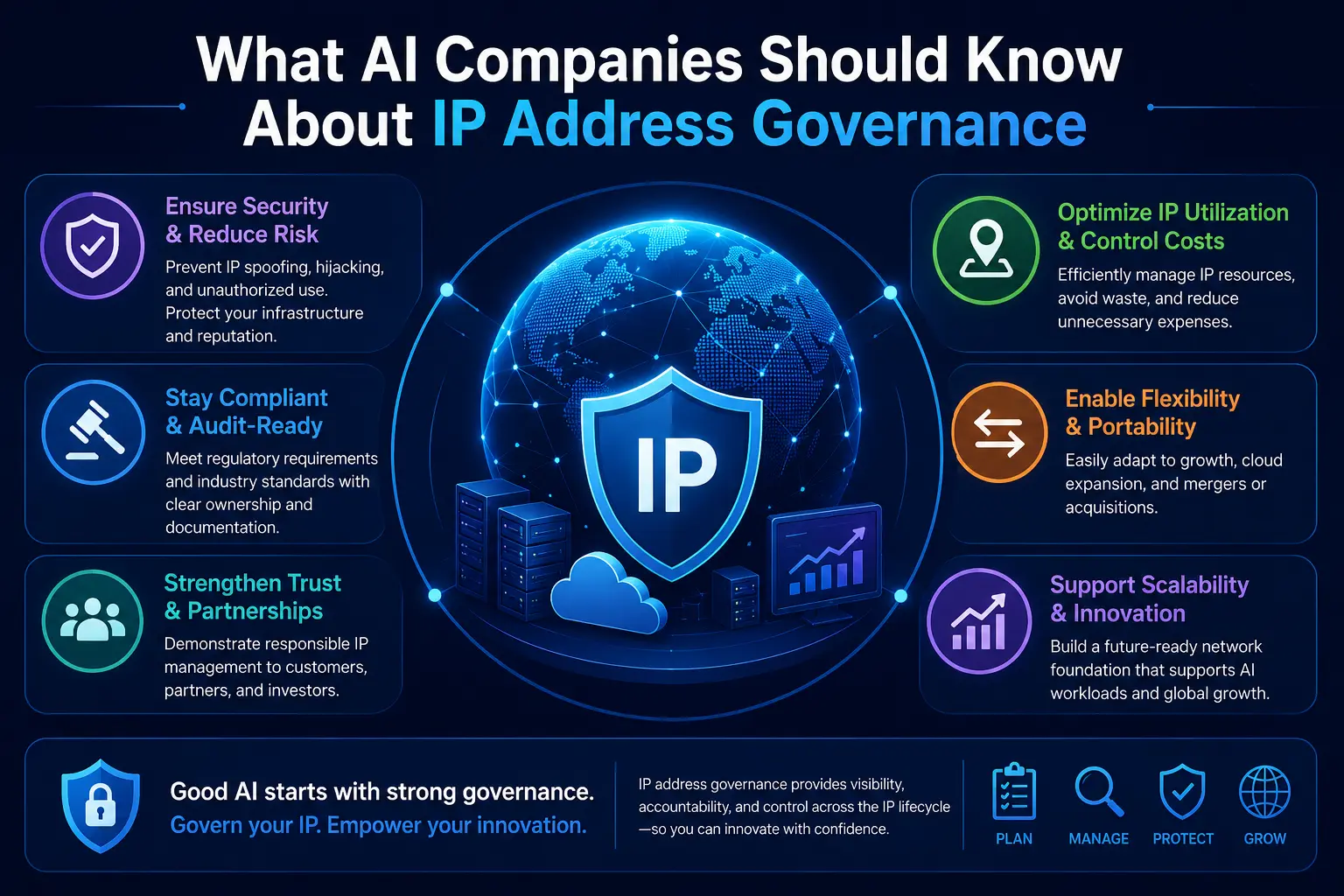
Modern CTOs face multiple pressures: driving continuous technological innovation, coping with shortened product and service lifecycles, managing global competition, operating within constrained IT budgets, and reducing compliance and security risks. IP address lifecycle management provides a systematic mechanism to align IP resource management with core business objectives: ensuring allocations and routing plans prioritize key network architecture and business deployments, basing renewal and leasing decisions on long-term utilization and cost efficiency, and timely reclaiming or optimizing inefficient or redundant IP resources.
This strategic alignment helps enterprises avoid the common pitfall of “accumulating addresses for the sake of addresses”—holding large pools of IP resources without generating corresponding business value. Research shows that lean IP management emphasizes efficiency over volume, focusing on managing a smaller set of high-value address blocks rather than accumulating unused IPs, thereby maximizing ROI on network resource investments.
Reducing Administrative Burden and Operational Risk
Automated workflows, centralized IP databases, and integrated management platforms can significantly reduce manual work in allocation, renewal, routing maintenance, and abuse handling, saving time and operational costs. Automation reduces human error risks, such as missed renewals, routing misconfigurations, or duplicate allocations.
Additionally, standardized IP management processes and integration with external service providers (IP brokers or network consulting firms) enable economies of scale, ensure consistent service quality, and secure favorable leasing or procurement terms, providing additional leverage for cost control.
Improving Forecast Accuracy and Strategic Decision-Making
A unified IP lifecycle management system provides CTOs and network managers with comprehensive data and analytics, enabling them to simulate future IP costs, forecast renewal and maintenance expenditures, prioritize high-value resources, and evaluate potential ROI from network investments. This data-driven approach improves decision transparency, helping enterprises make informed choices regarding address renewal or reclamation, new procurement, and multi-cloud or capacity expansion strategies.
Challenges and Limitations of IP Address Lifecycle Management
Despite its potential, IP address lifecycle management faces practical challenges and limitations:
Integration and Cross-Functional Collaboration Barriers: Successful implementation of an IPAM/IPMS often requires extensive collaboration across network engineering, infrastructure, cloud, security, and finance teams. Industry surveys indicate that over 60% of network leaders report limited integration between IP management teams and other business units. Without effective alignment and communication, even advanced systems cannot prevent duplicate allocations or inefficient, idle resources.
Uneven Digital Transformation Adoption: Although cloud-based IPAM/IPMS platforms are increasingly popular, adoption varies. Some organizations still rely on on-premises or hybrid systems, limiting full automation and delaying potential cost savings and resource optimization. Uneven adoption often stems from legacy system constraints, resistance to organizational change, and limited IT resources.
Risk of Underestimating Long-Term Strategic Value: Overemphasizing cost-cutting and aggressively reclaiming “idle” addresses may cause organizations to overlook the long-term strategic value of some IP resources. Certain blocks may be underutilized short-term but crucial for future expansion, multi-cloud deployments, or redundancy planning. Over-reclaiming could limit future opportunities, compromising scalability and business continuity.
As critics note, merely owning a large pool of IP addresses does not guarantee network efficiency or business advantage. Low utilization, poor routing, or inadequate abuse management can reduce overall network performance, highlighting the need for balanced strategies combining cost control, resource efficiency, and strategic relevance.
Practical Implementation Strategies for CTOs to Reduce IP and IT Costs
Based on best practices and case studies, CTOs and network leaders can adopt the following strategies:
Conduct a Comprehensive IP Audit: Create a detailed inventory of all IP resources, including IPv4/IPv6 blocks, leased or allocated records, renewal dates, utilization, cost, and strategic importance. This audit forms the basis for data-driven decisions and identifies opportunities for cost optimization and resource reuse.
Adopt a Unified Cloud-Based IP Management System (IPAM/IPMS): Replace fragmented tools (spreadsheets, email threads, legacy databases) with a centralized platform to simplify workflows, improve visibility, support remote collaboration, and ensure consistency across teams and regions.
Automate Routine IP Management Processes: Implement automation for address allocation, renewal reminders, routing alerts, and contract management, reducing manual workload and mitigating risks of resource failure or duplicate allocation.
Align IP Management Strategy with Business Planning: Form cross-functional teams across network engineering, infrastructure, cloud, security, and finance to ensure allocation, capacity planning, and expansion strategies align with business growth, cloud deployment, and network priorities.
Implement Lean IP Principles: Regularly evaluate resource utilization, reclaim idle or inefficient blocks, and avoid duplicate or ineffective allocation, optimizing resources and reducing unnecessary leasing or acquisition costs.
Integrate External Service Providers: Establish long-term partnerships with trusted IP brokers, hosting providers, and network consulting firms to achieve economies of scale, negotiate favorable terms, and ensure consistent service quality.
Use Data Analytics for Forecasting and Budgeting: Monitor utilization, routing health, and resource trends via dashboards and analytics tools, forecast future IP costs, optimize capacity planning and budget allocation, and support strategic multi-cloud or cross-region deployment decisions.
By implementing these strategies, enterprises can transform IP address management from a passive operational and cost center into a strategic asset that enhances network efficiency, reduces IT costs, supports business growth, and ensures sustainable resource use.