
Step-by-Step IP Address Leasing Guide | Process and Considerations for Safely Leasing IPv4 Addresses
Lease IP addresses safely—from assessing requirements and choosing a reputable provider to conducting reputation checks and compliance reviews for a smooth deployment.
Plan the IP block size and lease term carefully, choose a reliable broker, and review the contract terms closely to clarify all policies.
Verify IP reputation, configure the network correctly, monitor usage continuously, and make sure the contract terms are clear to avoid disputes.
Why Leasing IP Addresses Safely Matters
As IPv4 addresses become increasingly scarce, many organizations choose to lease IP addresses. This gives them the IP space they need without buying it or entering into a long-term contract. But leasing carries risks. If handled poorly, it can create problems including security vulnerabilities, stolen IP resources, or misuse of an IP. These issues can affect network operations, damage a company’s reputation, and lead to noncompliance.
Quantify Your IP Requirements Precisely
Start by determining how many IP addresses you need. A /24 network provides 256 IPs, while a /23 provides 512 IPs. The block size you choose depends on how many users or systems it must support and which services will use the IPs. Leasing too many IPs raises costs and may attract regulatory attention; leasing too few can exhaust the pool and interrupt the business.
Consult your IT team and work with both the network and finance teams. They can help assess current requirements and plan for possible future demand. Keeping some spare capacity is sensible so that you do not need to change plans or providers frequently.
Choose a Reputable IPv4 Leasing Provider
IP address leases can be obtained through broker marketplaces, data centers, or Regional Internet Registries (RIRs):
-
Broker marketplaces: offer flexible options, but quality varies. Always choose a provider that can verify clean ownership through a Letter of Authorization (LOA) and focuses on compliance.
-
Data centers and cloud platforms: often lease IP resources under a Service-Level Agreement (SLA), providing IP resources with cleaner provenance and simpler integration.
-
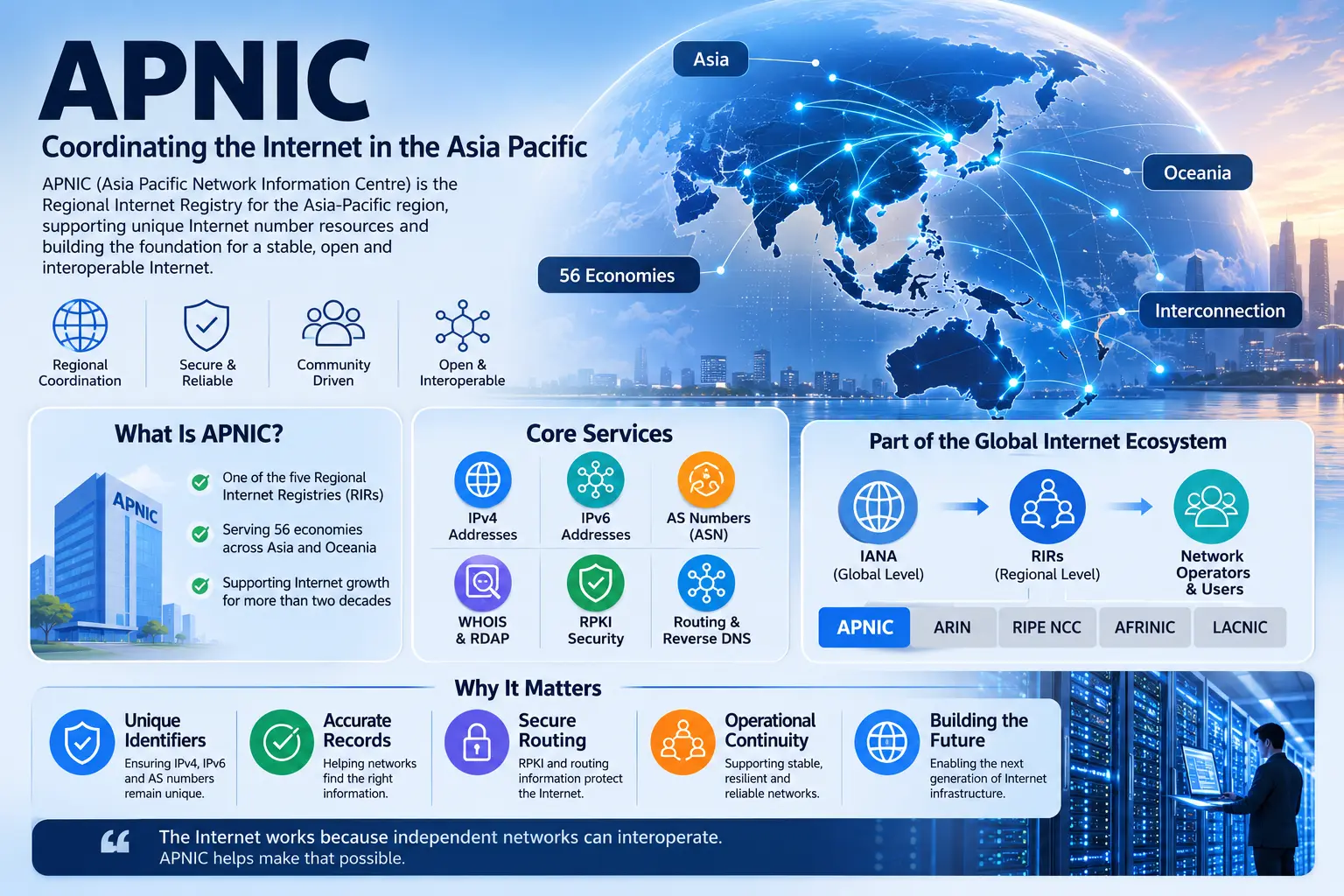
RIR leasing (such as ARIN, RIPE, and APNIC): helps ensure compliance within the global registration framework, although procurement may take longer.
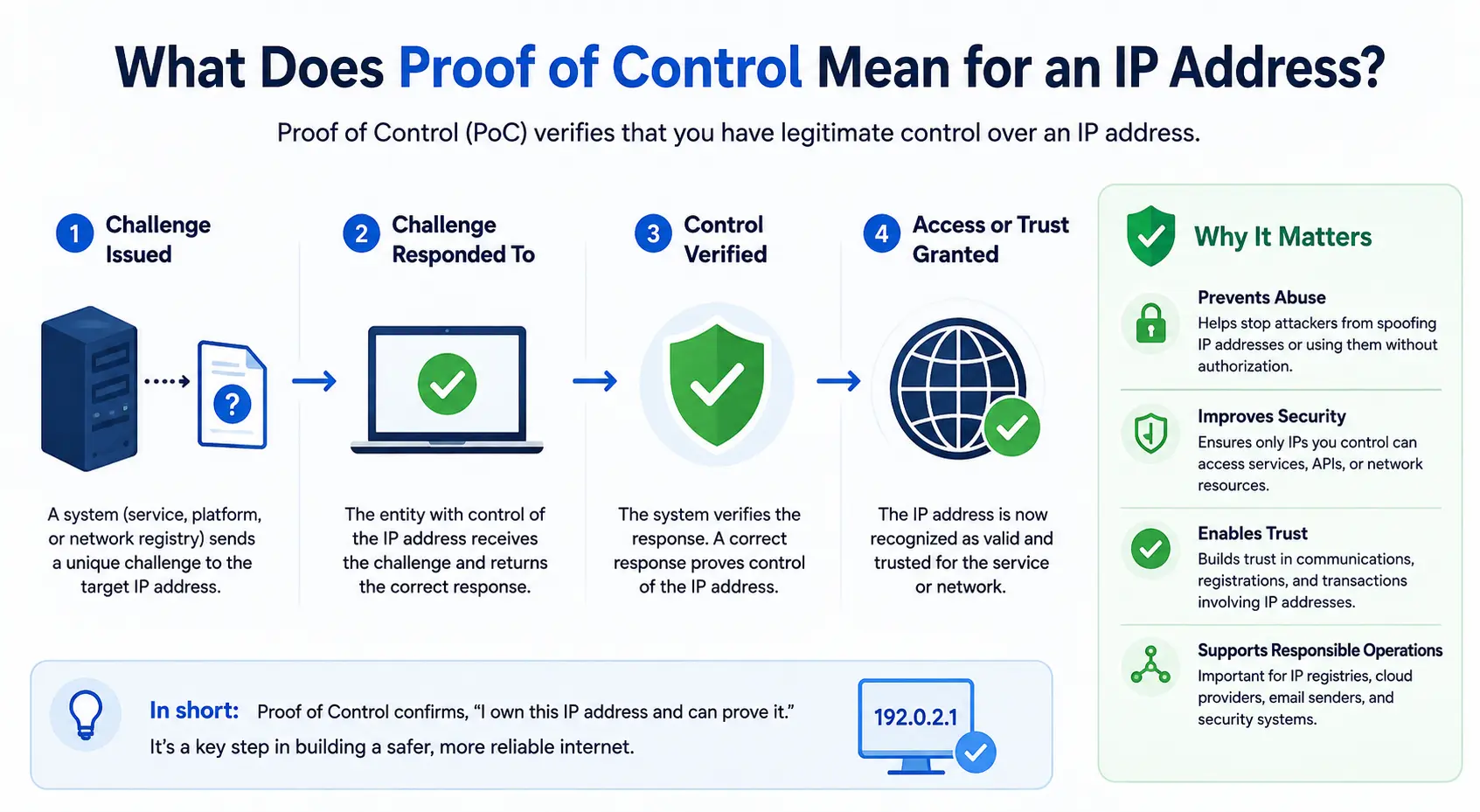
When selecting a provider, make sure the IP block has clear provenance, follows applicable policies, and supports RPKI and legitimate routing to protect network security and stability.
Review the Lease Agreement Carefully
The contract should clearly specify the following:
-
Lease term and renewal provisions: identify automatic-renewal clauses and exit costs.
-
Permitted use: confirm whether the IPs may be used for email, hosting, or NAT.
-
Blacklist handling: clarify who is responsible for route leaks or spam issues.
-
Termination conditions: explain what happens if either party breaches the agreement.
Verify IP Reputation and History
Leased IPs must be clean. It is advisable to use DNSBL and RBL checks to ensure the IP addresses have not been flagged for spam or abuse. Reputable providers usually conduct audits and share historical records. As the Hyper ICT security report notes, risks include “IP hijacking” and “fraudulent leasing”, which can cause serious business disruption and reputational damage.
Configure and Deploy Carefully
Once the resource has been obtained, careful network setup is essential:
-
Configure your DHCP, routing, and DNS infrastructure accordingly.
-
Consider DHCP lease times: longer leases improve stability for static services, while shorter leases better suit dynamic environments. Best-practice guidance emphasizes “setting the optimal lease duration” to avoid conflicts and address-pool exhaustion¹.
-
Make sure RPKI is deployed to reduce hijacking risk.
Continuously Monitor IP Usage and Reputation
Continuous oversight is important. Check whether any of your IP addresses have been blacklisted. Blacklist-checking tools can be used regularly. If an IP is blacklisted, stop using it immediately and contact the provider to resolve the issue. If abuse occurs, such as spam or hacking, you must act quickly.
The service agreement may specify how quickly issues must be resolved. Fast responses help users trust your service. You should also remove IPs that are no longer needed. Keeping unused IPs active can create problems: it wastes resources and may cause confusion or security risks. Keep IP records clear and up to date.
Maintain Renewal and Exit Strategies
Begin renewal discussions about three months before expiration. This leaves enough time to compare providers, negotiate terms, and evaluate service performance. Prepare a backup IP plan in advance in case the provider changes its terms or fails to deliver on time.
If you decide not to renew, immediately begin migrating services to another IP block. Update DNS, routing, and service configurations, then retire the old IP block. A backup plan reduces downtime risk and limits the impact on customers.
Budget for Cybersecurity and Compliance
The IP leasing budget should account for audit fees, blacklist-handling charges, and possible remediation costs. Many disputes arise because these expenses are overlooked. Make sure you have access to a blacklist-monitoring subscription and that the contract clearly defines dispute-resolution steps.
Document Everything
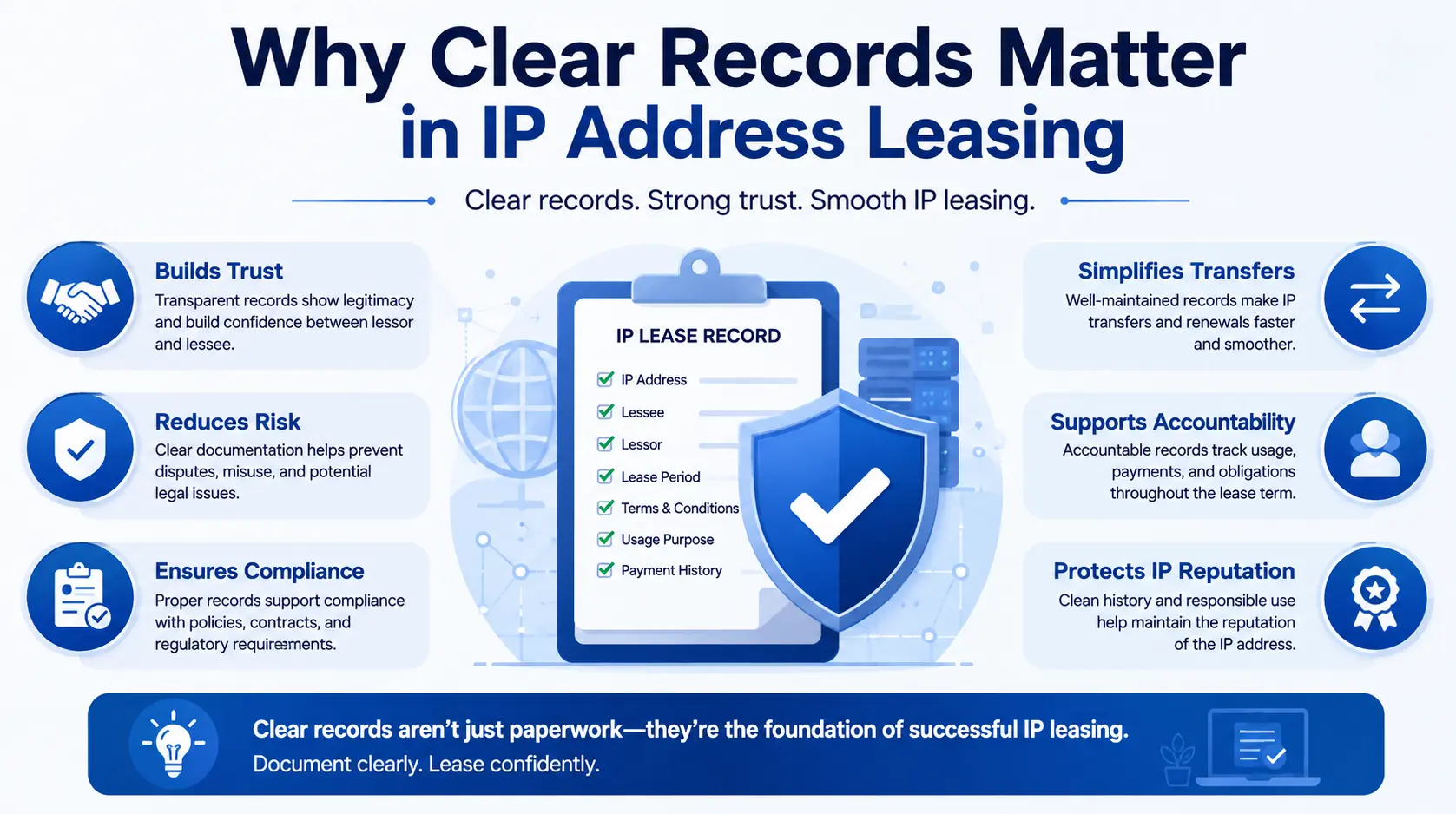
Maintain a leasing file for internal and external review:
-
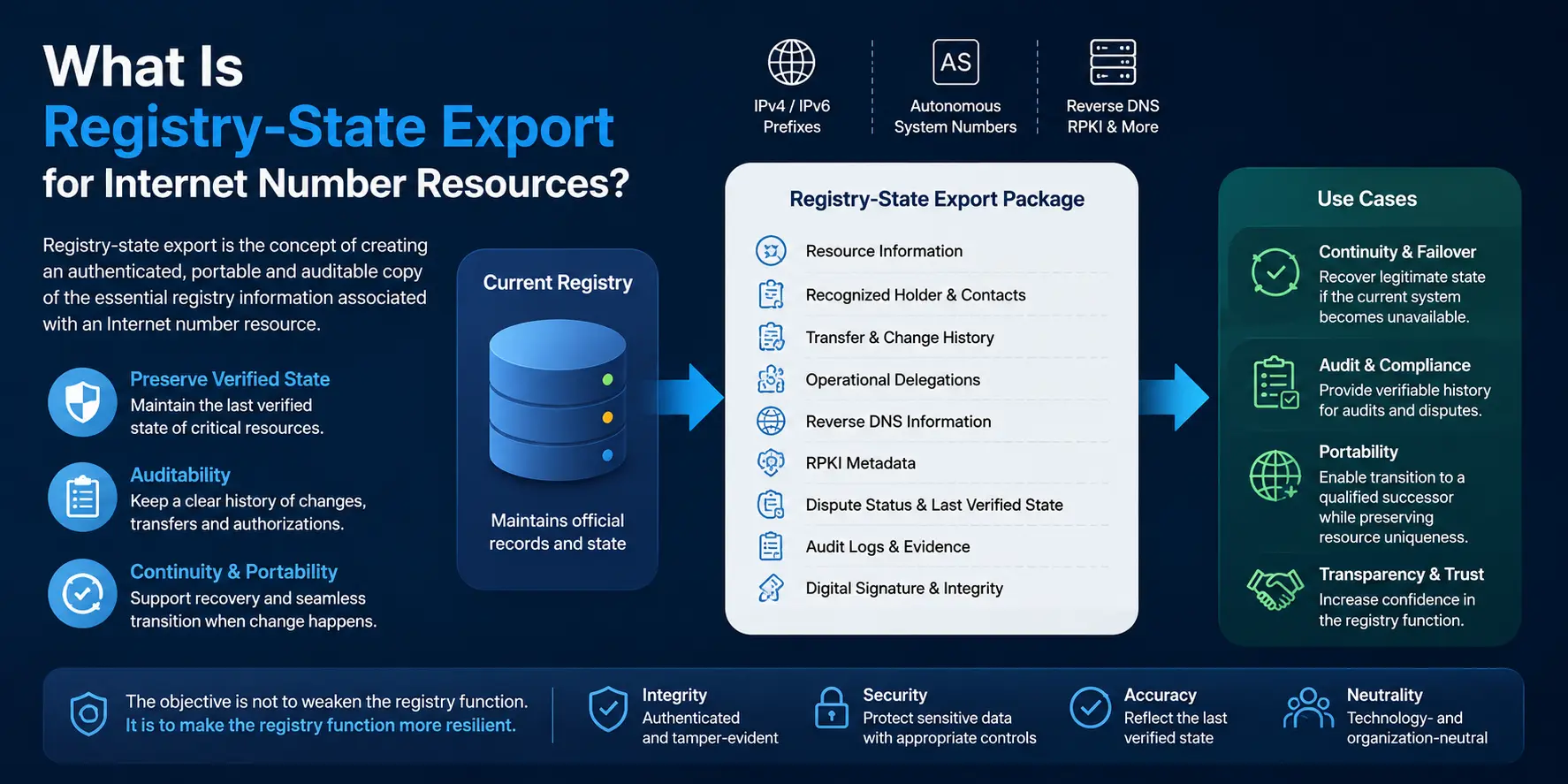
Archive signed contracts and Letters of Authorization (LOAs).
-
Record allocation logs and usage statistics.
-
Retain audit results and any remediation measures.
-
Document change orders and infrastructure updates.
These practices demonstrate accountability, build internal trust, and support the due diligence required for audits.
Leasing IP addresses safely is manageable with a structured approach: plan precisely, choose a trusted provider, review agreements, maintain configurations, and monitor reputation.
Frequently Asked Questions
1. What Size IP Block Should I Choose?
For general services, you can start with a /24 block. If you expect growth, you can scale to a /23 or /22. Fast renewals provide greater flexibility.
2. How Quickly Can I Lease IPs?
Delivery through a marketplace or provider usually takes 1–3 days. Leasing through an RIR (Regional Internet Registry) may take several weeks because the process requires a review.
3. Can an IP Block Be Blacklisted?
Yes. Choose a provider that supplies clean IP blocks with blacklist monitoring. If an IP is flagged, replace it or arrange an audit promptly.
4. What Role Does RPKI Play When Leasing IPs?
RPKI ensures that route announcements are authorized, thereby reducing the risk of hijacking.
5. Why Use Tools to Manage IP Addresses?
Management tools help you see which IPs are in use and where, identify problems faster, and reduce errors. When managing large numbers of IPs, tools can greatly improve efficiency.