Note:26 On The Sovereignty Fallacy

Sovereignty is not a feeling, a slogan, or a narrative. It is a structural property. Where enforcement and final authority do not exist, sovereignty does not exist. Everything else is branding.
“African digital sovereignty” fails at this level. A continent is not a sovereign. Fifty-four independent states with incompatible laws, politics, and incentives do not form a single authority. There is no unified jurisdiction, no shared enforcement, no legitimate final decision-maker. What is presented as sovereignty is, in reality, an attempt to simulate it.
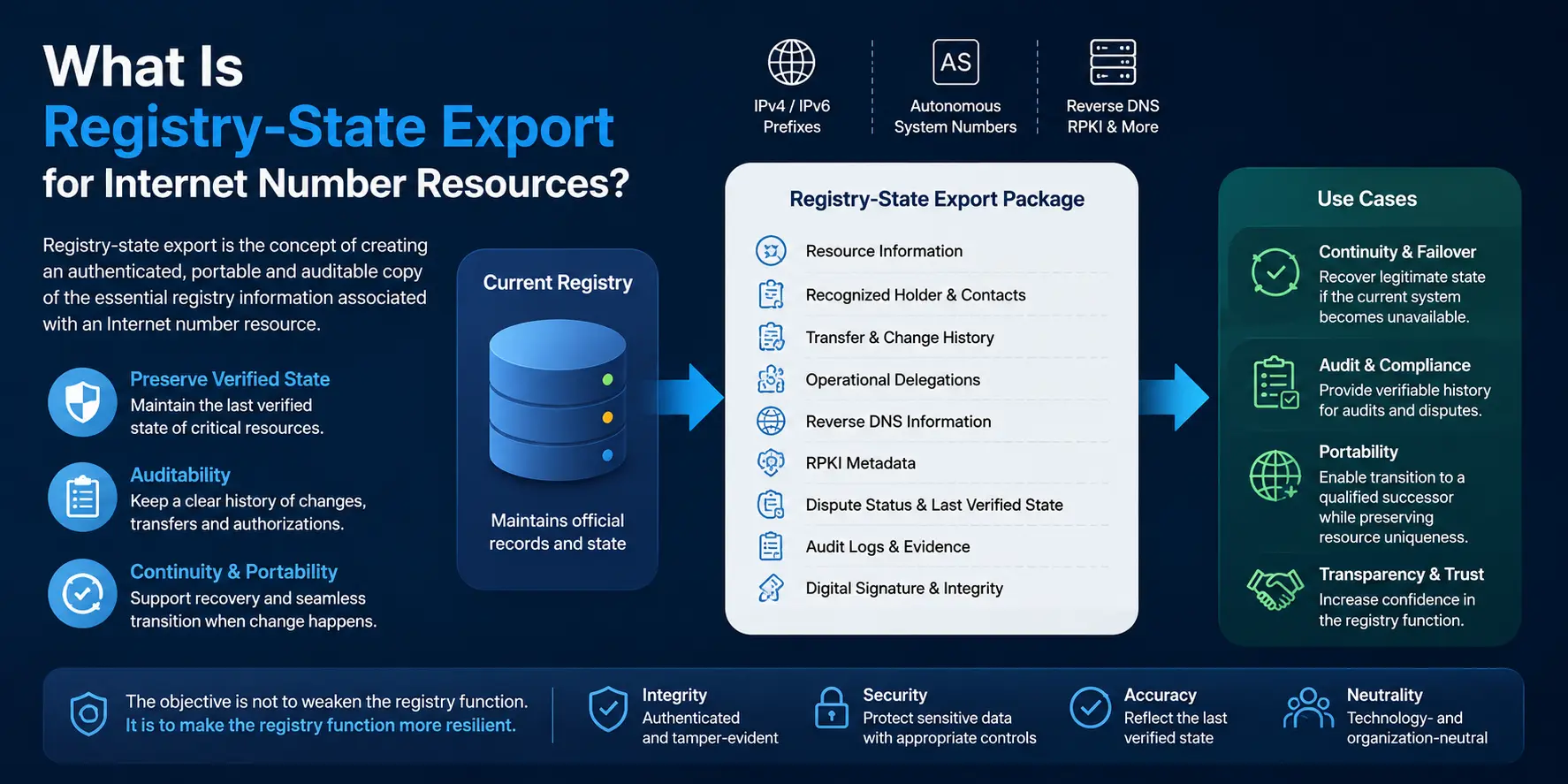
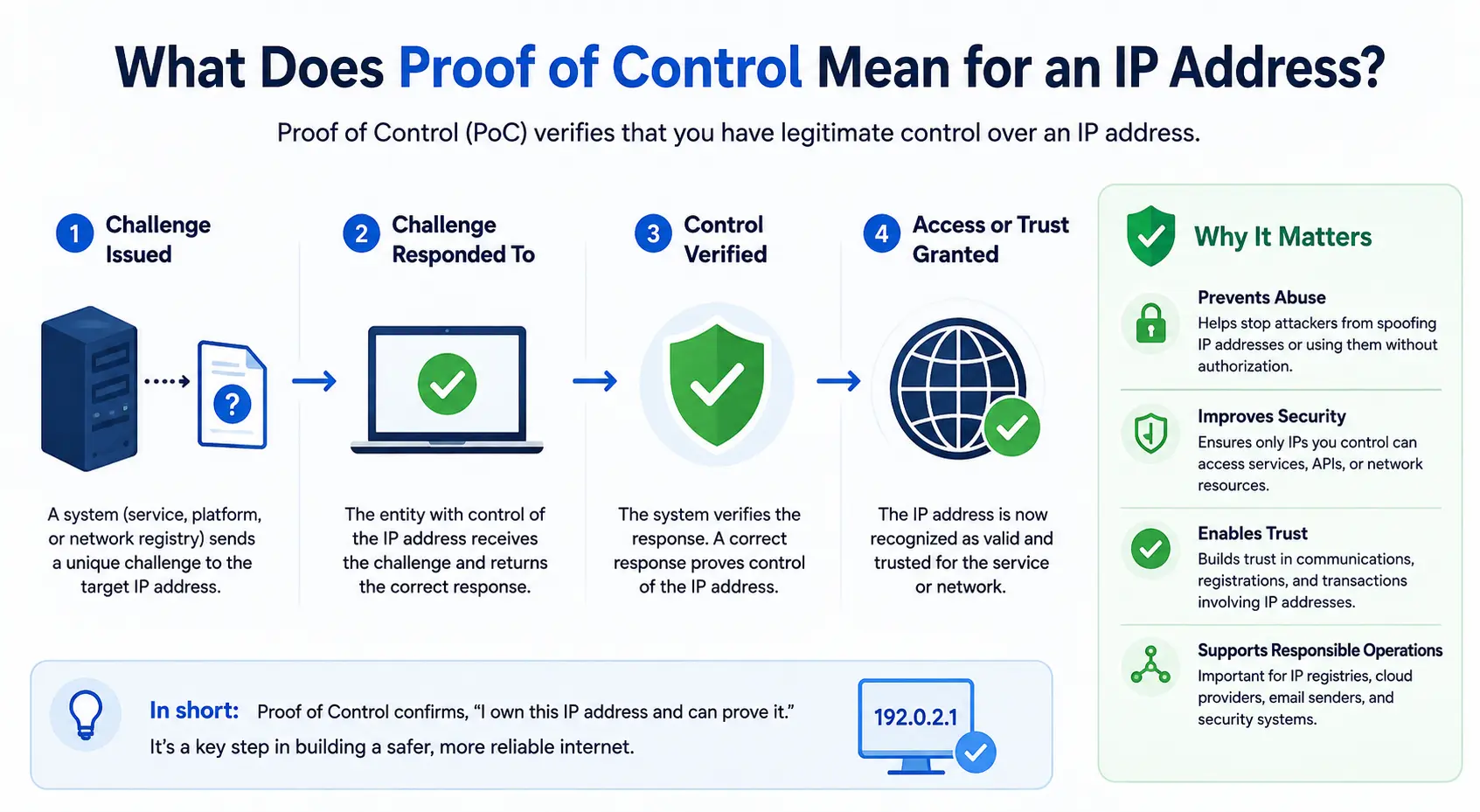
The contradiction becomes visible at the registration layer. IP addresses and ASNs are not abstract symbols; they are coordination records that exist only because participants voluntarily recognize them. The internet works not because anyone can impose control, but because no one needs to. The moment registration authority is framed as something that can be politically “owned,” the system is already being misunderstood.
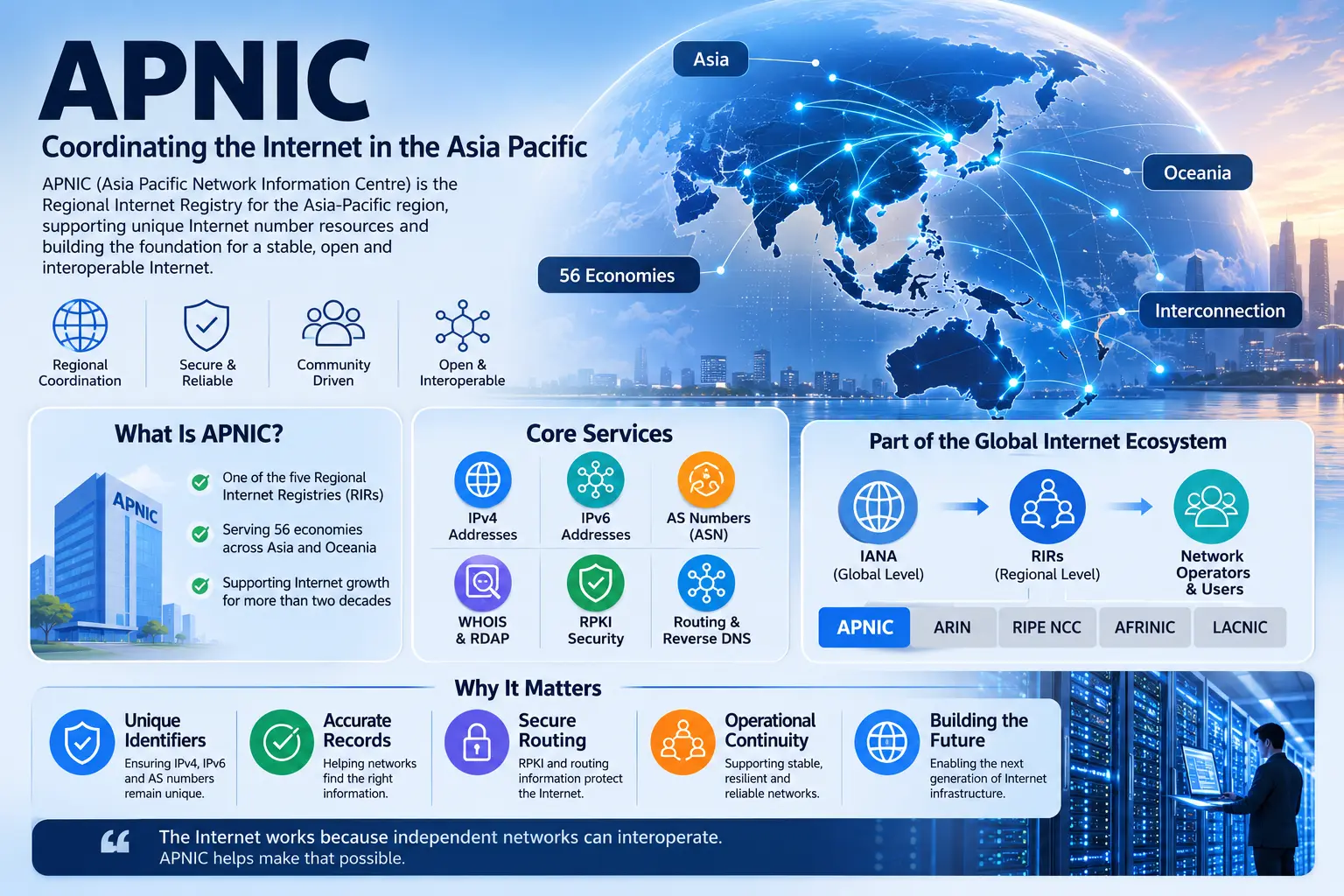
Regional registries amplify this misunderstanding. Countries that do not host a registry mistake distance for loss of sovereignty. Countries that do host one mistake proximity for control. Both are wrong. The host state inevitably becomes a legal and political choke point, absorbing disputes and pressures that spill across borders. Non-host states remain exposed to decisions they cannot influence. In both cases, the registry ceases to be a neutral coordination mechanism and becomes a proxy battleground.
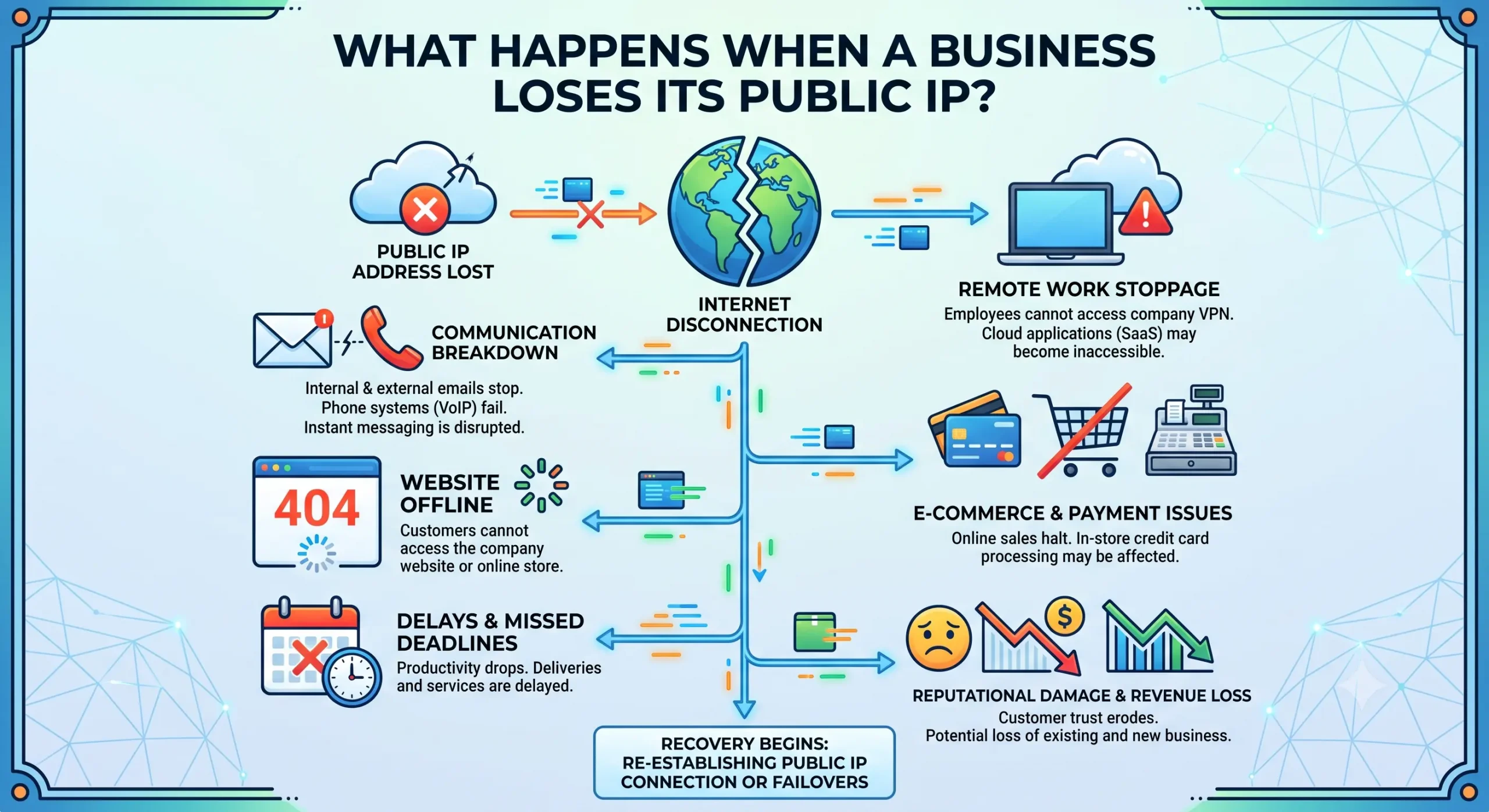
The deeper failure is conceptual. Centralized registries invite the belief that control is possible — and that belief triggers attempts to assert it. Once assertion begins, the voluntary nature of the internet breaks. Litigation, sanctions, freezes, and governance paralysis follow, not as abuses, but as logical consequences of pretending that a cooperative system can be ruled.
This is why the problem cannot be solved by relocating authority or “fixing governance.” The registration layer itself must be removed from political gravity. Only a fully distributed ledger preserves the original condition that made the internet work: coordination without coercion, recognition without jurisdiction, order without rulers.
Digital sovereignty is not regained by asserting control. It is regained by removing the illusion that control should exist at all.