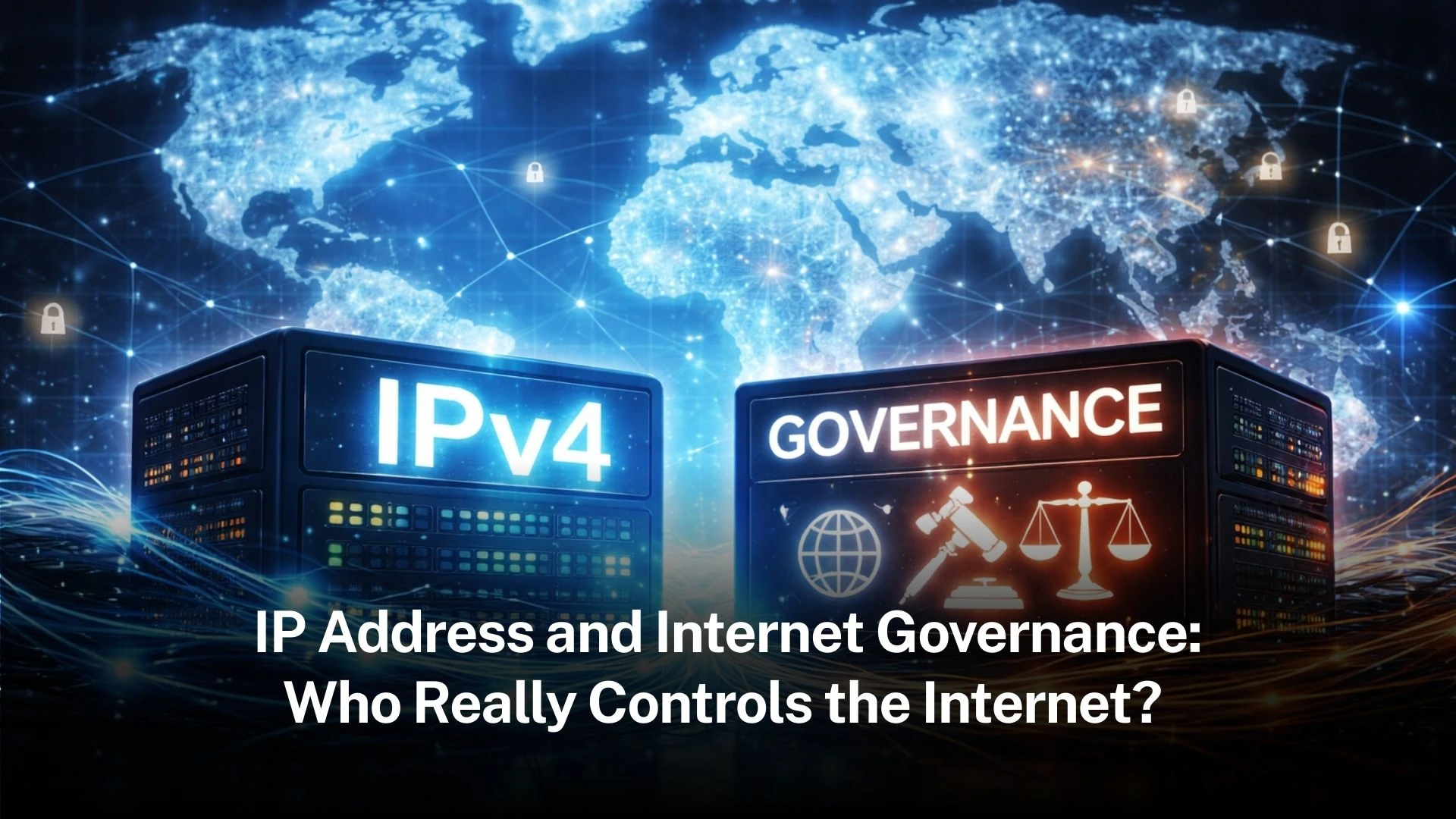
IP Address and Internet Governance: Who Really Controls the Internet?
At first glance, the internet appears to be a decentralized and open system—free for anyone to connect, share, and innovate. Dig deeper, however, and a surprising reality emerges: the foundation of internet control lies in a fragile system that most people don’t understand—IPv4 addresses and the registry layer that governs them.
In theory, no single entity “controls” the internet. But in practice, technical coordination and governance of critical IP resources happen through a small set of private institutions under local laws, with no sovereign enforcement or global legal guarantee. This creates structural risk at the core of global connectivity, making “control” of the internet less abstract and far more consequential than most observers assume.
Why the Registry Layer Matters More Than You Think
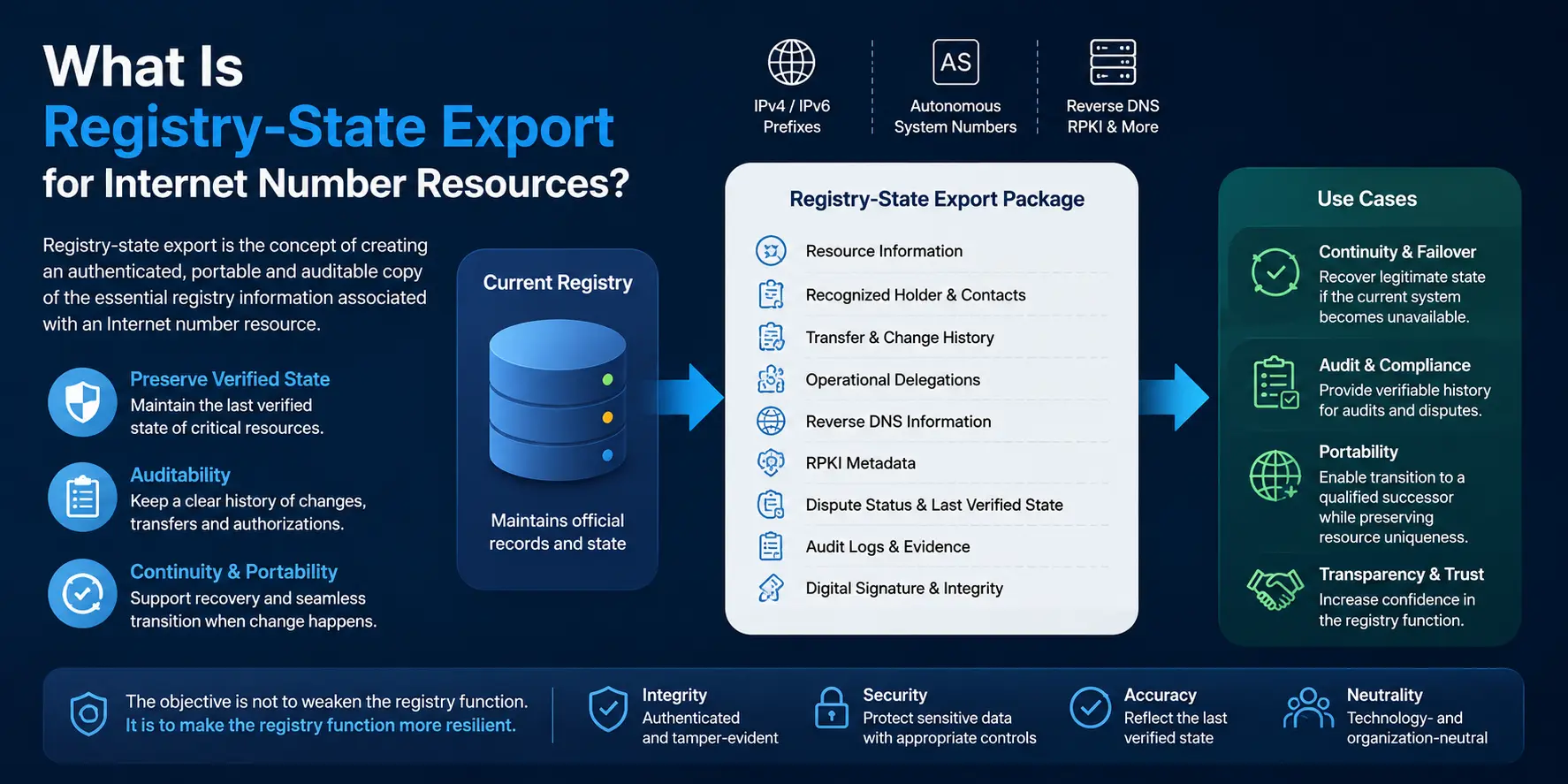
IP addresses are critical digital identifiers—the backbone of how data moves from one point to another on the internet. Without them, devices couldn’t communicate, services couldn’t exist, and the world couldn’t remain connected. But the system that assigns and tracks these addresses—known as the registry layer—was not designed to handle the internet as a globally essential utility.
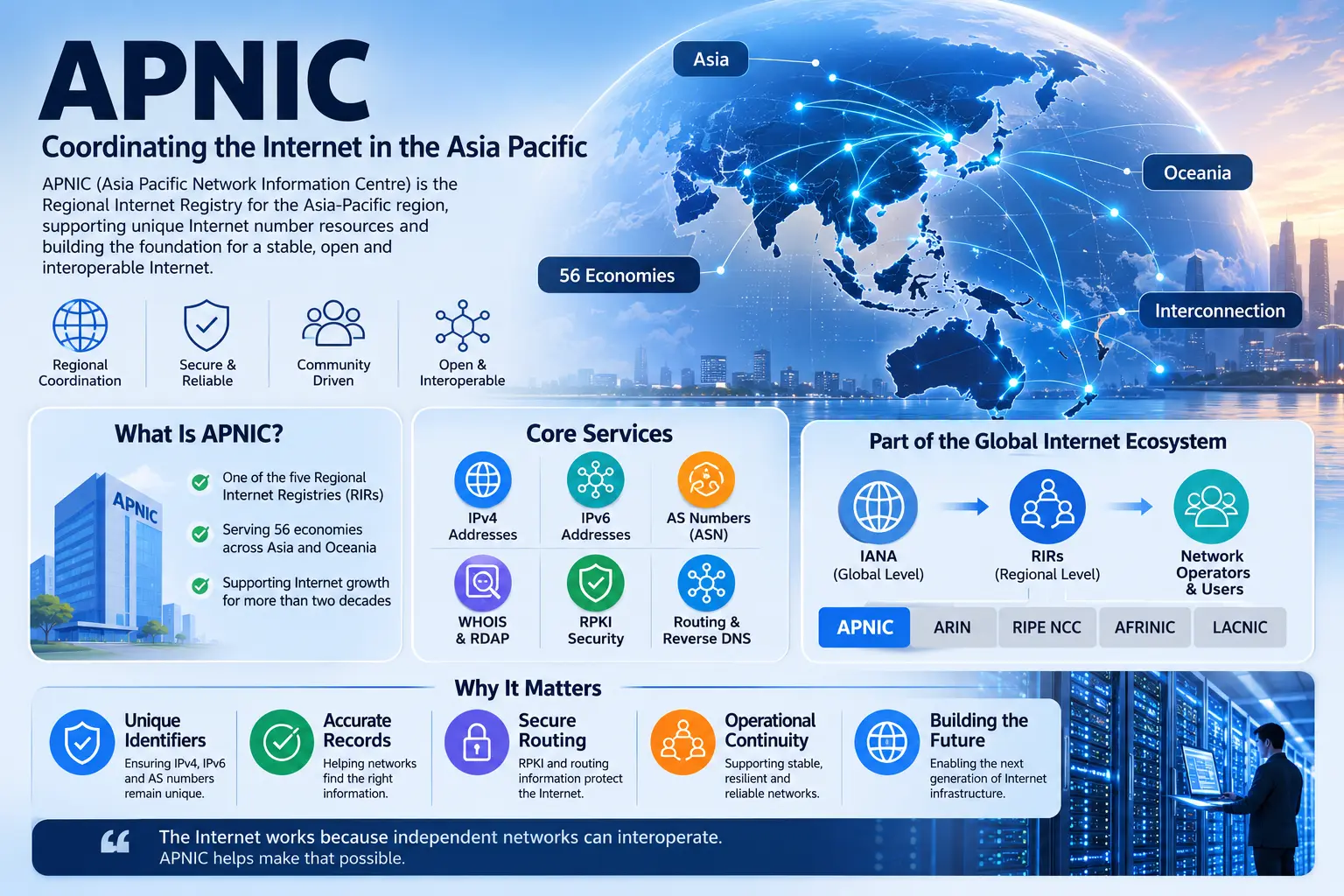
Today, this layer is managed by five Regional Internet Registries (RIRs), which operate under voluntary coordination, local jurisdiction, and assumptions of goodwill. There are no sovereign treaties, binding international enforcement mechanisms, or global oversight bodies guaranteeing continuity or neutrality. This isn’t a theoretical edge case—it’s a structural characteristic of the internet’s governance framework.
As the internet has scaled, scarcity and economic value have emerged around IPv4 addresses. What was once abundant and trivial has now become capital with financial and operational implications. Scarce IPv4 space means allocation and renewal become risk factors, not just technical steps. When scarcity intersects with voluntary governance structures, traditional notions of control and stability are exposed as fragile assumptions.
Ownership Illusion and the Reality of Registry Risk
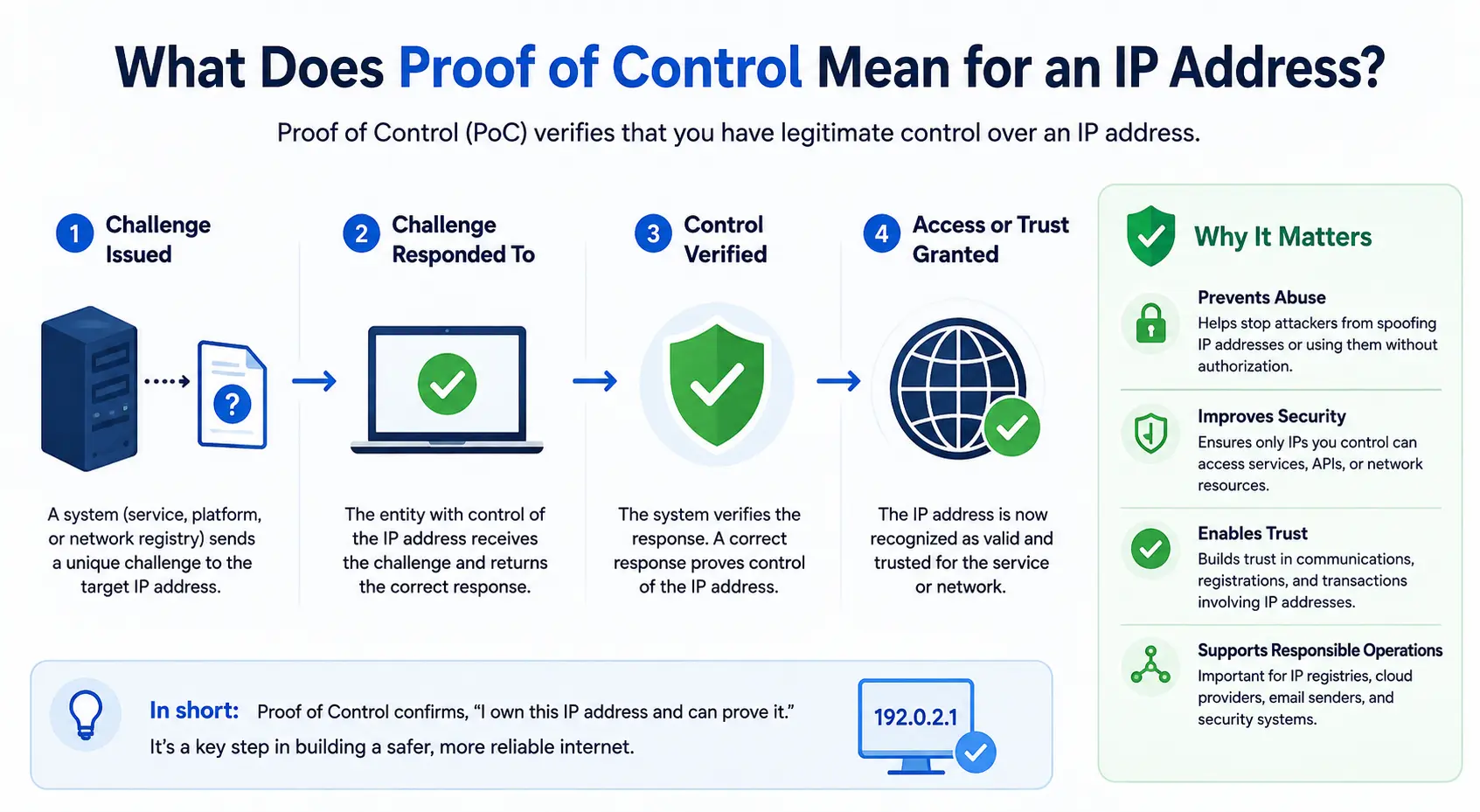
Many network operators mistakenly believe they own their IP addresses. In fact, “ownership” in internet governance is more like a service agreement with a registry. This means that control is contingent on policy decisions, interpretations, and even geopolitical influences—all outside the control of the address holder.
Consider this: if you “own” an IPv4 block, its registry entry can be changed, challenged, or revoked under certain conditions because the underlying system lacks sovereign guarantees. So even if you paid millions for capacity or reputation, your network’s continuity can hinge on discretionary governance decisions.
This structural vulnerability is a sharp contrast to how most digital infrastructure is managed. In industries like aviation, spectrum allocation, or utilities, long‑term continuity and enforceable property rights are the norm. The internet, by contrast, operates on social coordination, not enforceable legal certainty—exactly the kind of setup that becomes risky when critical infrastructure is at stake.
Engineering Continuity: A New Approach to Internet Control
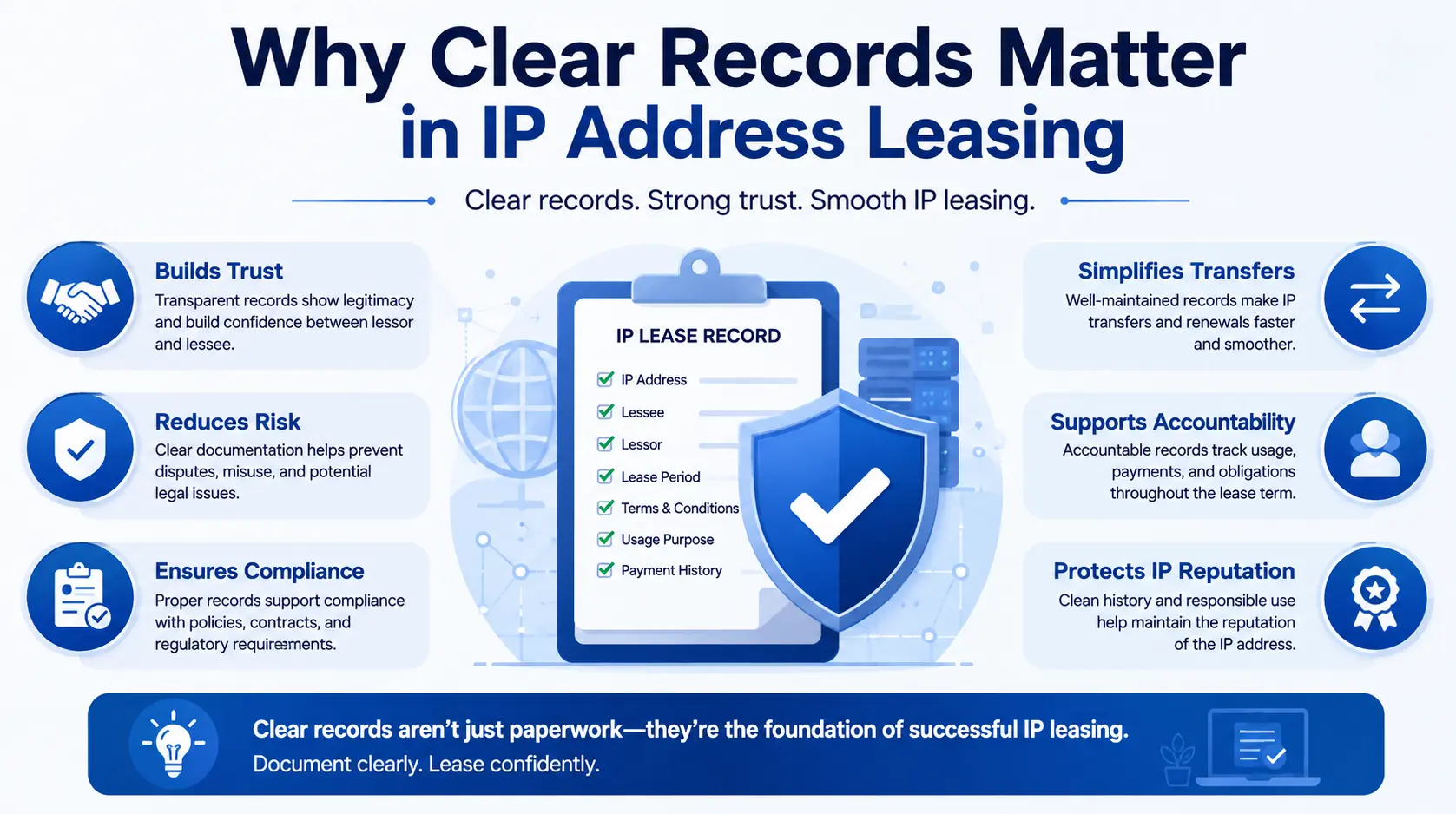
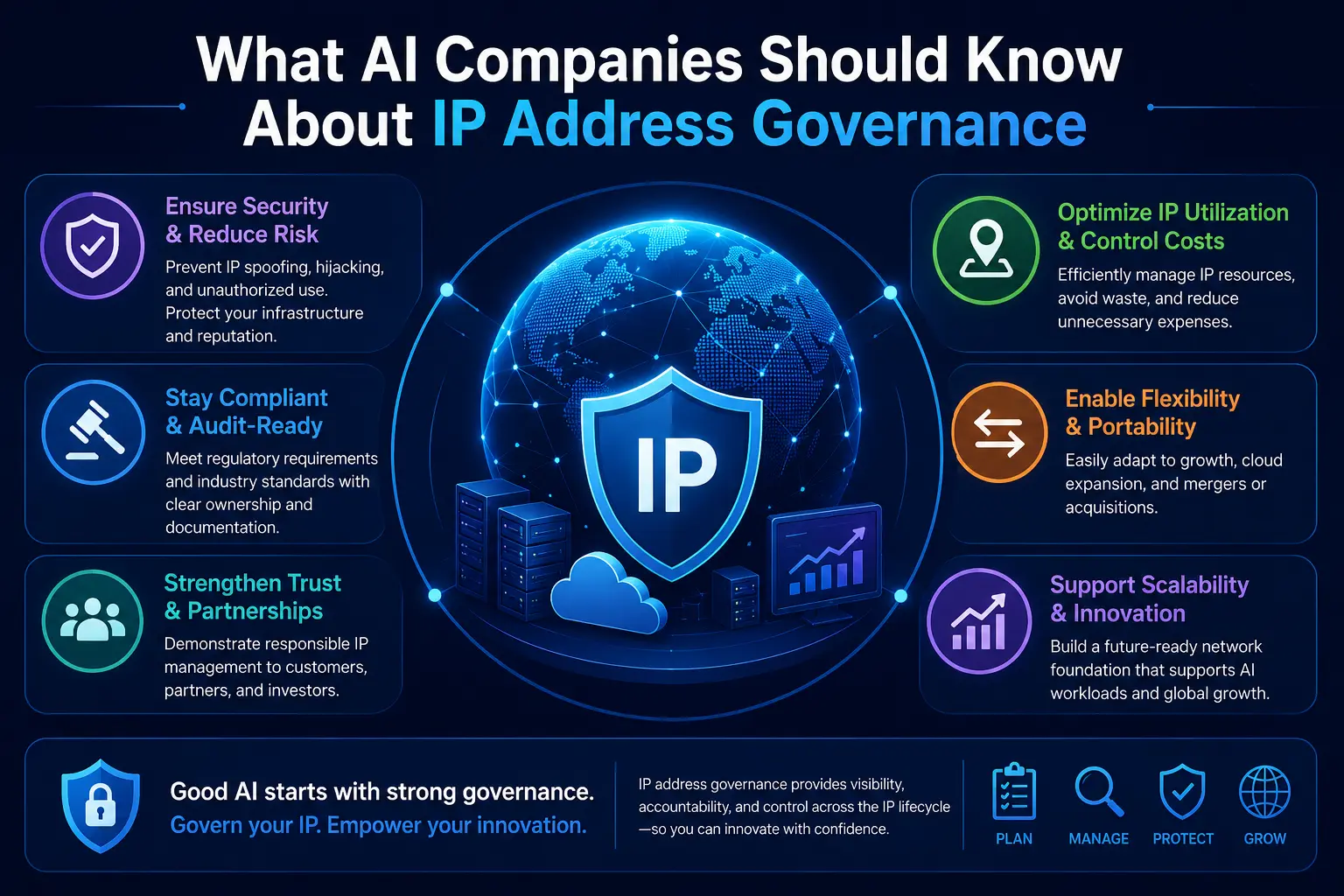
If the registry layer itself is fragile, how can networks reduce exposure to governance risk? One emerging response is the idea of first‑party IPv4 leasing with built‑in continuity guarantees—a model that removes much of the registry risk from operators and places it under a structured, contractual framework.
Under this model, network operators don’t own addresses in the traditional sense; instead, they lease them from a steward that holds and manages the address space while ensuring renewals, compliance, and operational continuity. This shifts the responsibility for governance risk from individual operators to a professional operational entity with legal and operational frameworks designed to withstand registry volatility.
This doesn’t eliminate registry governance—it makes continuity less dependent on voluntary policy and goodwill, and more dependent on contractual certainty and professional stewardship. Such arrangements aim not to centralize control, but to mitigate the structural risks inherent in the current model.
Who Really Controls the Internet?
Control is distributed, but not evenly. IP governance remains layered: private institutions manage registry entries under local law; sovereign states influence policy and jurisdiction; and network operators depend on these structures for their digital existence.
The internet isn’t controlled by one king or one government—but it is shaped by the assumptions and vulnerabilities of its underlying governance systems. The registry layer—once a benign coordinating function—now stands as a critical pivot point for continuity, stability, and resilience in global connectivity. Understanding these structural realities is the first step toward real control, not just technical participation, in the digital age.
Conclusion
The internet’s decentralized image masks a fragile reality: critical digital infrastructure relies on a small set of private institutions and voluntary governance systems. IPv4 addresses and the registry layer that manages them are at the heart of this structure, with scarcity and governance risk turning seemingly technical details into strategic vulnerabilities.
While no single entity “controls” the internet, understanding how registry governance works—and adopting measures like first-party IPv4 leasing with continuity guarantees—can give operators practical control over continuity, compliance, and operational stability. In the digital age, real influence comes not from myths of ownership, but from navigating and mitigating the structural risks embedded in the internet’s foundational systems.
FAQs
No single person, company, or government controls the internet. Control is distributed across private institutions, Regional Internet Registries (RIRs), sovereign laws, and the network operators that rely on these systems. The registry layer is the central pivot point for operational influence.