How IP Address Ownership Defines Digital Power
Control over IP address allocation remains a key axis of influence in the digital ecosystem. It determines Internet access, affects commercial activity, and shapes network architecture. Holding large IP allocations still offers specific operational, strategic, and economic advantages across the Internet infrastructure sector.
IP address allocation remains uneven, and legacy patterns persist. Together, these factors leave digital power highly concentrated in the hands of early-moving companies and regions.
The Architecture of IP Address Ownership
Internet Protocol (IP) addresses play a foundational role as identifiers for devices on the Internet. Every connected device needs a unique address. Without these addresses, routing cannot function properly and communication between systems fails. As one analyst observed: “For the Internet to work, we need two things: unique IP addresses and unique Autonomous System Numbers (ASNs).”
Many people assume that determining who holds IP addresses is straightforward, but it is not. A recent overview makes this clear. Technically, no single entity can absolutely own IP addresses; they are allocated through a specific system—a hierarchical registry structure.
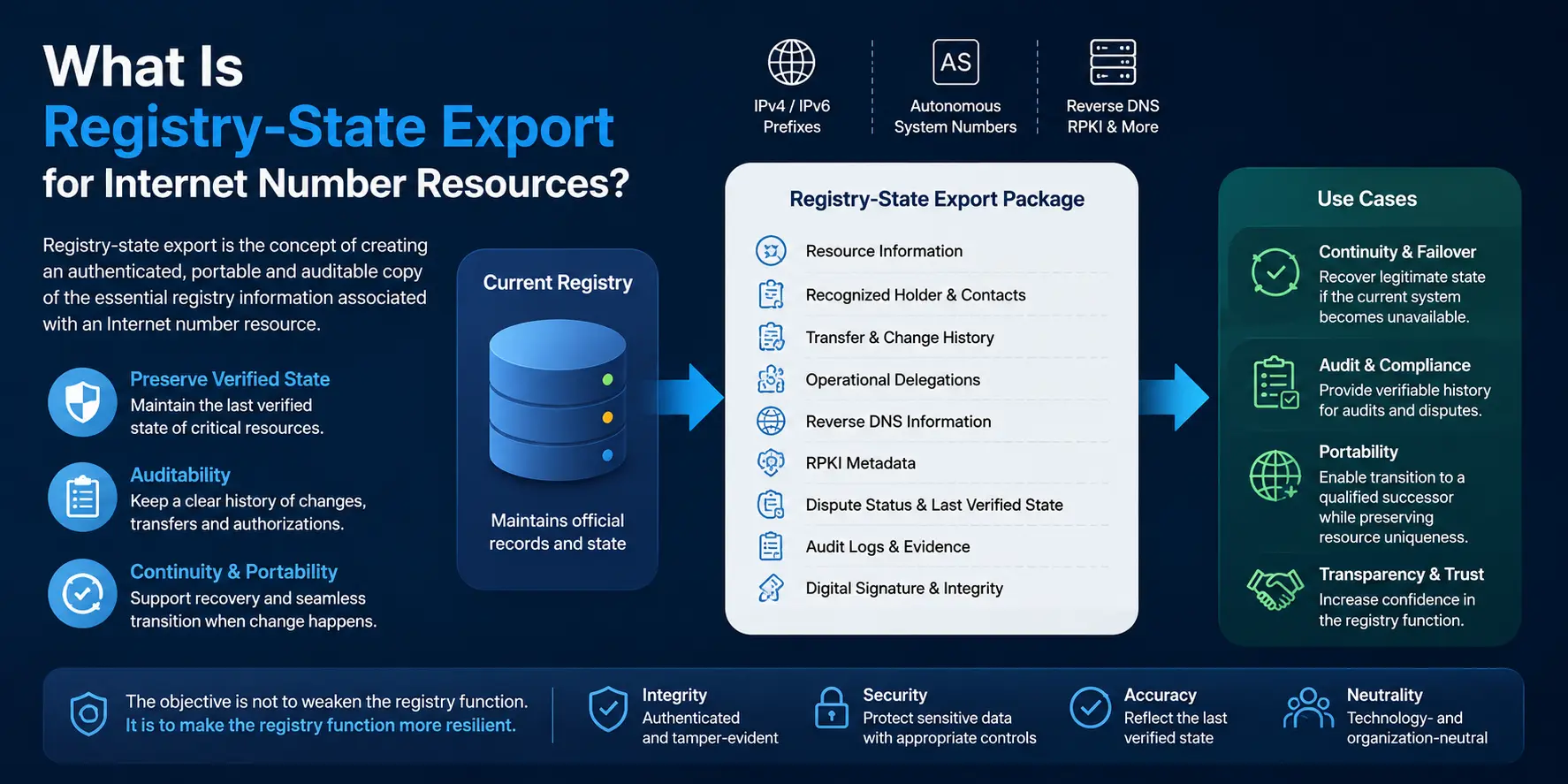
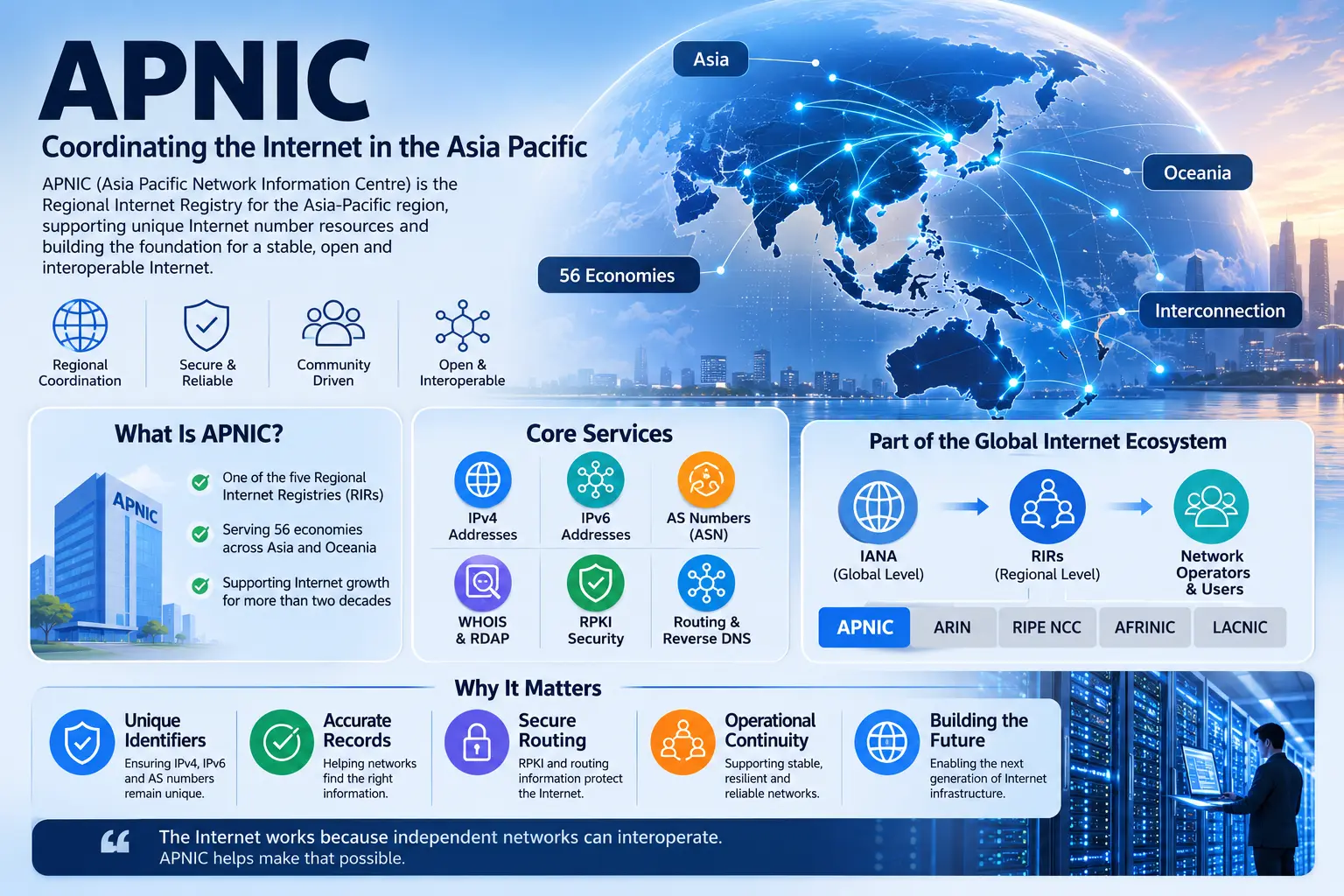
This hierarchy follows a defined structure. It is administered by the Internet Assigned Numbers Authority (IANA) and delegated to regional entities known as Regional Internet Registries (RIRs). The structure turns address blocks into assets and allocations into an expression of resource power.
Historical Privilege and the Rise of Digital Power
The Internet went through an early stage in which large blocks of IP addresses were allocated with few restrictions. This was particularly evident in North America and Europe.
At the time, a classful model was used, under which entities received generous allocations. Those allocations later became operational advantages. One study noted that “most address delegations were made to a small number of organizations,” revealing a high concentration of address control.
These early allocations created legacy advantages. Organizations holding large, contiguous blocks gained specific operational benefits, including:
Simplified routing
Prefix aggregation
Improved cost efficiency
As IPv4 addresses became exhausted, these advantages translated into real competitiveness: fewer advertisements in global routing tables, lower administrative overhead, and greater flexibility.
The Regional Dimension and Digital Sovereignty
Ownership of IP addresses confers additional influence at both national and regional levels. Address space is closely tied to geography, policy frameworks, and national regulation. A paper on “IP neocolonialism” argued that address allocation still reflects entrenched power structures. Regions that joined later in the Internet’s development face tighter quotas and receive smaller allocations.
Countries and network operators derive value from controlling address resources. This can support government policy, strengthen the resilience of critical infrastructure, and advance digital-sovereignty goals.
Countries with large address holdings can attract cloud providers, data centers, and network operators. This attraction further increases their digital ecosystems’ capacity to capture value.
Ownership, Economic Factors, and the Scarce IPv4 Market
Unallocated IPv4 address space has been exhausted. Large address holdings have tangible economic value. A policy paper published by the International Telecommunication Union (ITU) noted that conserving resources remains a legitimate concern and that economic incentives are essential to resource management.
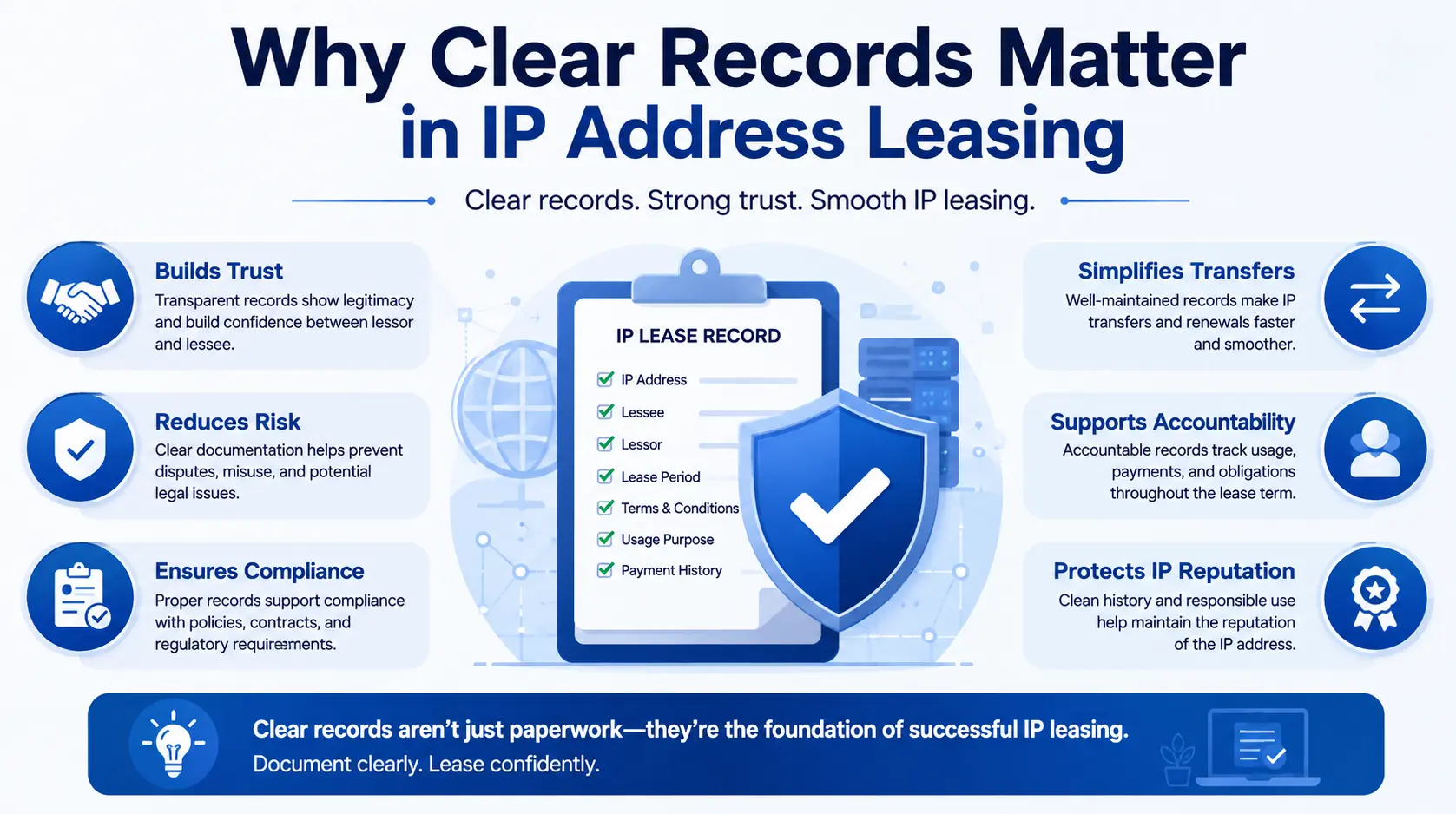
A secondary market for IPv4 addresses has emerged. Organizations with legacy allocations can lease or sell address blocks, effectively monetizing their address assets. Their structural advantage includes the ability to influence market prices and move more easily into new opportunities.
New entrants face a different situation: they lack large legacy holdings, pay higher costs, transact more frequently, and have less strategic flexibility.
Routing Control and the Strategic Dimension of IP Address Blocks
Large amounts of address space let organizations exert influence at the routing layer. Prefix aggregation plays a key role by reducing the size of the global routing table, conserving router memory, and lowering administrative overhead.
This technical efficiency becomes real power through fewer interconnection requirements, simpler peering arrangements, and a stronger bargaining position in negotiations with transit providers.
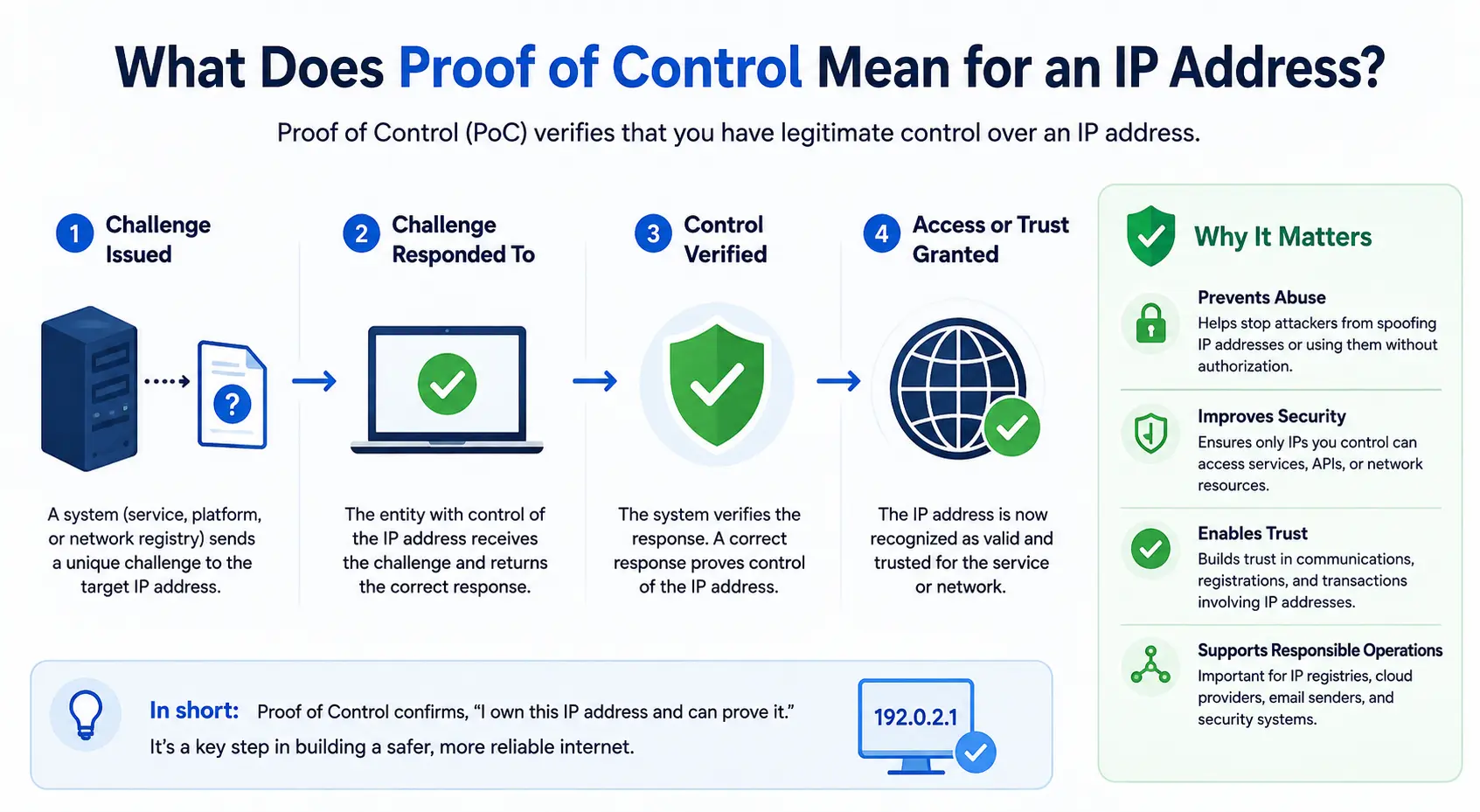
Control of IP address allocation is closely linked to security concerns such as route-hijacking risk. BGP hijacking is one such risk, exploiting gaps in ownership and registration transparency. The ability to manage address space responsibly is itself an advantage, bringing both operational and reputational benefits.
The Transition to IPv6 and the Persistence of Legacy Power
IPv6 was designed with a clear goal: eliminate address scarcity and help create a level playing field. Despite the availability of IPv6, IPv4 remains dominant and is widely used across many networks and scenarios. Legacy ownership of IPv4 blocks still matters, and historically privileged organizations retain an advantage.
IPv6 has not yet achieved universal adoption. Until it does, the strategic value of IPv4 blocks will persist. Digital power remains deeply rooted in the past. Even when new networks deploy IPv6, they must compete in mixed-protocol environments where IPv4 holdings still matter for compatibility, routing relationships, and global reach.
Governance, Transparency, and Contested Ownership
The concept of ownership in address space raises governance questions: are address blocks merely “allocated resources,” or are they quasi-assets that confer power? Transparency gaps remain. RIR records document allocations, but questions persist: how are the addresses used, transferred, and exploited?
One article examined IP allocation through the lens of public-goods theory and found that address-block transactions sometimes violate policy while enforcement remains weak.
Calls for more transparent ownership frameworks are growing. Digital-policy advocates argue that control of address space should align with the public interest, not merely serve those who obtained it first. Transparency and equitable design are essential; otherwise, the Internet’s resource base may entrench power instead of truly unleashing innovation.
Implications for Networks, Companies, and Countries
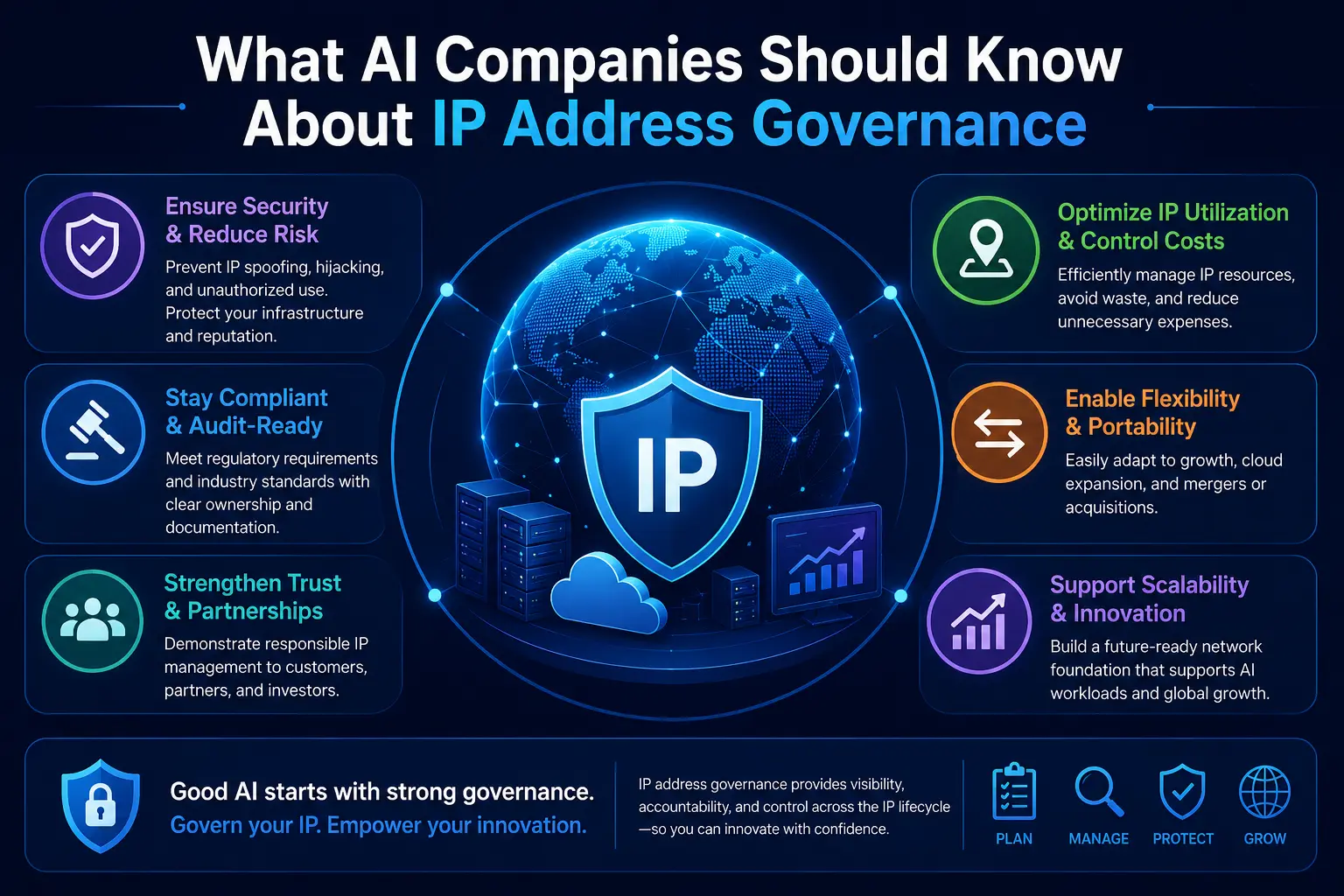
Network operators and companies benefit from large IP address holdings through significant operational advantages, including easier peering, lower costs, fewer route announcements, and greater bargaining power in strategic negotiations.
National governments and regulators also incorporate control over address allocation into digital-sovereignty frameworks.
Countries without large historical allocations face a particular challenge: establishing an equal position in the address economy while scarcity creates structural barriers.
Organizations holding large blocks still have opportunities beyond using the addresses themselves, including strategic monetization, data-center deployment, and international negotiating capacity.
The Future of the P Address Power Landscape
The Internet continues to evolve, and the measures of digital power will evolve with it. Ownership of address space remains an important, though often overlooked, indicator among many.
New technologies are emerging, including network slicing, edge computing, and non-terrestrial networks. The topology of the address ecosystem may change. Until it does, organizations holding legacy blocks will continue to wield disproportionate influence.
Policy attention to resource rebalancing may increase, potentially through transfer restrictions, greater transparency, and redesigned regulation. The era of inherited address power may therefore come under pressure.
Without such policy changes, historical allocations will persist and continue to underpin the contemporary landscape of digital power.
Frequently Asked Questions
What Does “IP Address Ownership” Actually Mean?
Ownership is a misnomer. IP addresses are allocated, not owned in the traditional sense. The hierarchical registry structure grants rights of use, not absolute ownership.
Why Do Large IP Address Allocations Confer a Strategic Advantage?
Large contiguous blocks provide specific benefits: efficient route aggregation, fewer route announcements, lower overhead, and asset-like value, especially in transfer and leasing markets.
Will the Transition to IPv6 Eliminate Power Imbalances?
Not immediately. IPv6 provides an enormous address space, but IPv4 remains widespread and legacy allocations still matter for compatibility, routing, and value.
How Do Regional Allocation Differences Affect Digital Power?
Early-moving regions received large allocations under looser policies. Regions that joined later face stricter conditions and receive fewer addresses, deepening structural disadvantages.
Can Policy Change the Power Landscape of Address Ownership?
Yes, but the process is complex. Policy options include stricter transfer rules, more transparent registry administration, and incentives for efficient use. Change requires technical, regulatory, and political will.