RPKI Deployment Guide
The Internet works because networks exchange information about data-delivery paths. Each network tells other networks which address ranges it can reach, allowing packets to travel from one place to another. For years, this exchange relied entirely on trust: one network claimed control of a block of addresses, and the others believed it. At first, this was sufficient because the Internet was smaller and errors were rare.
As the Internet grew, blind trust became a weakness. A typing error could affect large numbers of users, while a false announcement could redirect traffic worldwide. Attackers began exploiting this weakness by hijacking routes to intercept data, block access, or cause disruption. The absence of verification made the entire system vulnerable.
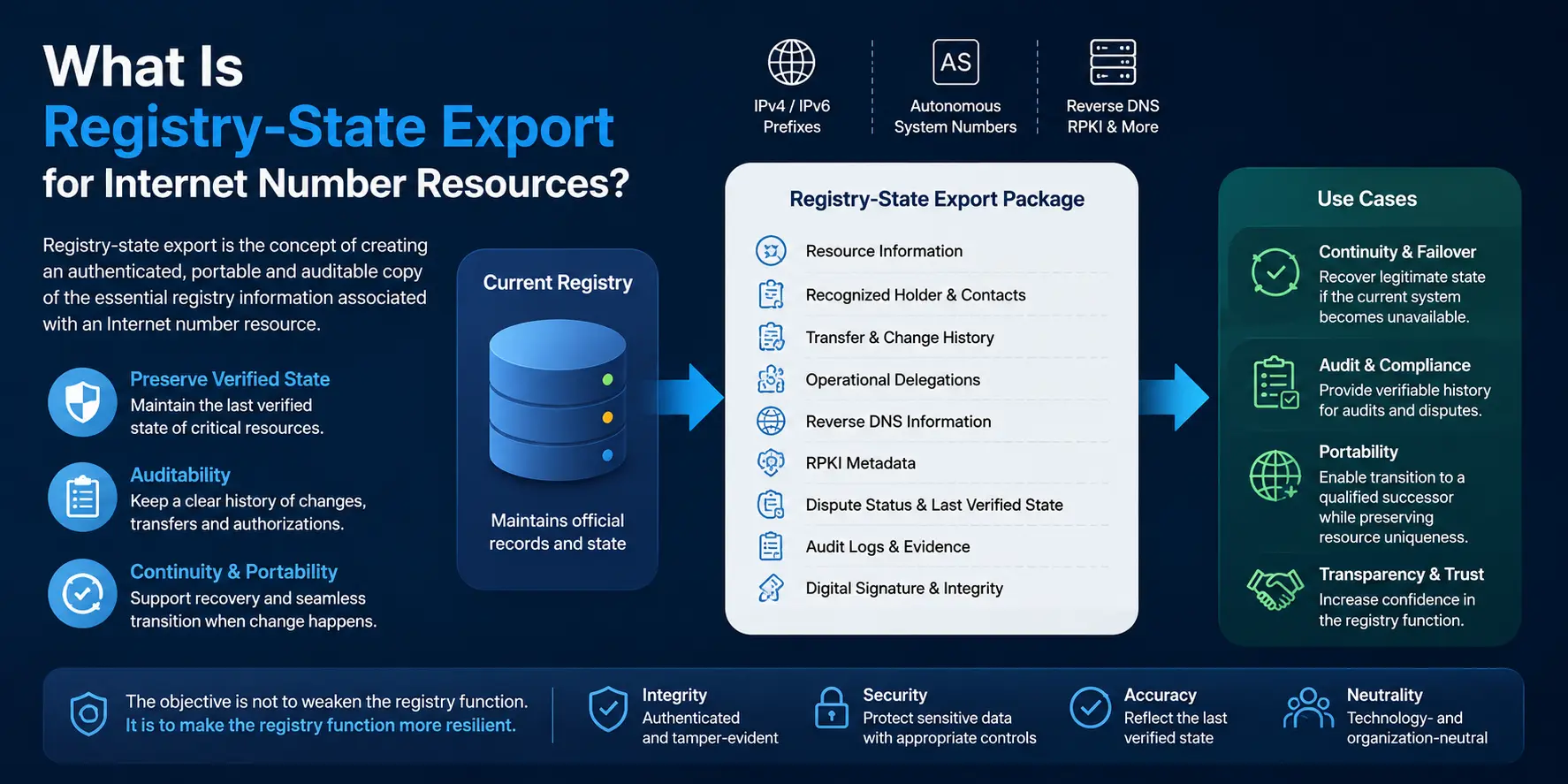
Resource Public Key Infrastructure (RPKI) was created to address this problem. It links IP addresses to digital proofs, enabling networks to verify an announcement before accepting it. Deploying RPKI improves routing security and demonstrates that an operator values network stability
Why Routing Without RPKI Is Vulnerable
Internet routing relies on the Border Gateway Protocol (BGP). Each network announces the addresses it can reach. These announcements spread quickly, and other networks use them to build their routing tables. The problem is that BGP has no verification mechanism: it requires no proof and does not prevent false announcements. Any network can announce any prefix, and the rest of the system will accept it.
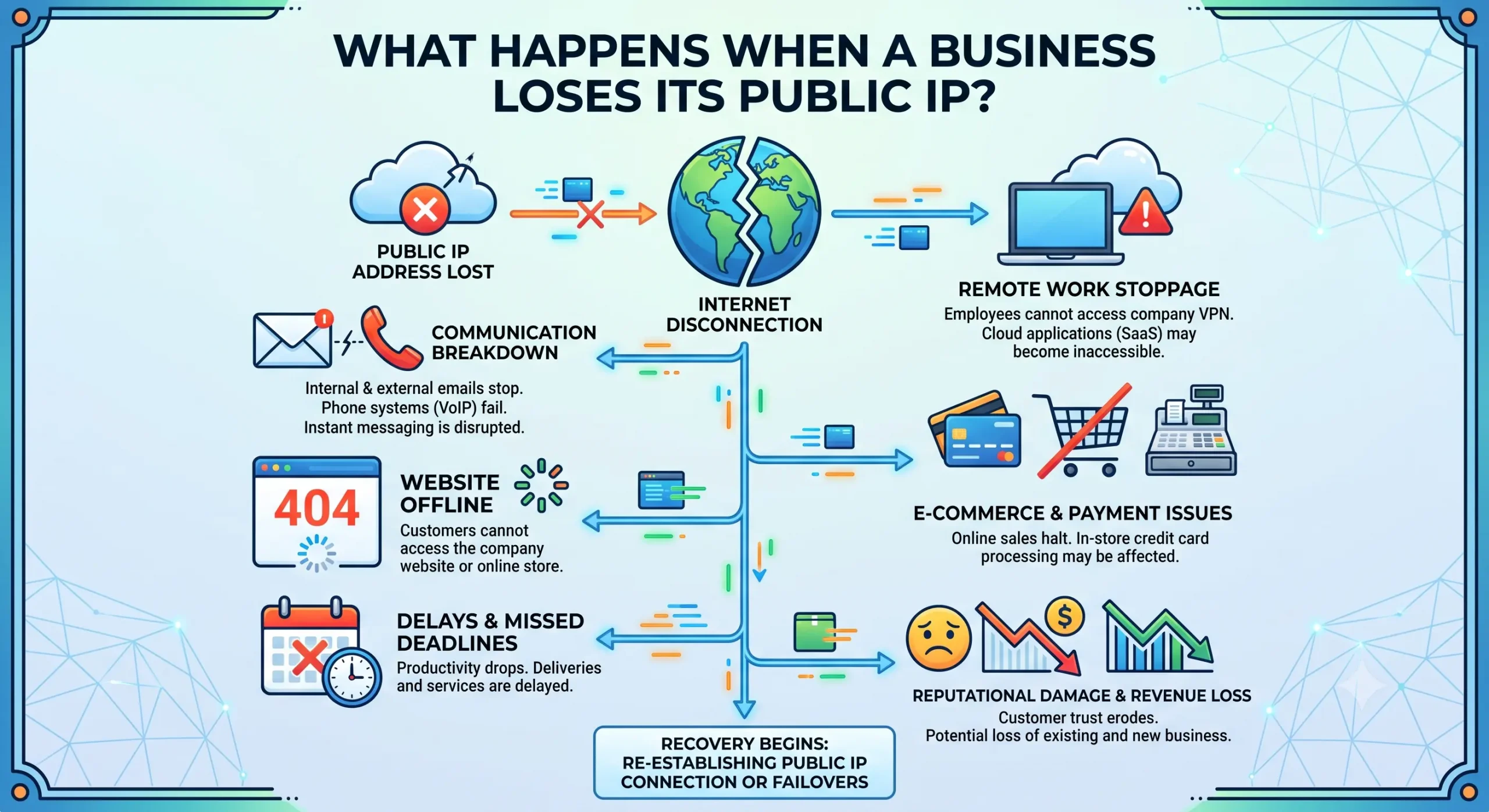
This open model frequently causes problems. Sometimes the error is small, such as an engineer entering the wrong number, but the incorrect route still propagates. In other cases, it is an attack: a hijacker can announce a prefix belonging to someone else and send traffic to the wrong destination. Historically, both errors and attacks of this kind have caused major network outages, leaving users unable to reach services and companies losing business. Without verification, routing continues to operate on blind trust.
Creating a Route Origin Authorization (ROA)
The most straightforward part of RPKI is the Route Origin Authorization (ROA). A ROA links a prefix to the Autonomous System (AS) authorized to announce it. Creating a ROA is simple but extremely important: the operator logs in to the registry portal, enters the prefix, selects the authorized system, and signs the record. The signature uses a digital certificate supplied by the registry.
Once published, the ROA is available across the Internet. Other operators can download it, verify it, and use it for route checks. A prefix without a ROA can still be announced, but cannot be validated; a prefix covered by an incorrect ROA may be marked invalid and blocked. Records must be kept accurate, and every ROA must match the actual routing plan, otherwise traffic may be rejected in error.
Setting Up an RPKI Validator
Creating ROAs is only one part of the system; the other is validation. Every network therefore needs a validator. The validator downloads all published ROAs from the registries, checks their signatures, stores the records, and makes them available to routers.
Running a validator does not require high-end equipment; it can run on a small server or virtual machine. Open-source software is available and most operators can install it with basic tools. The key is to keep the validator online and up to date. If it goes offline, it cannot obtain the latest records, and routers that depend on it may accept invalid routes. For RPKI to work properly, the validator must be stable and reliable.
Configuring Routers for Validation
Routers must be configured to use the validator. Whenever a route announcement arrives, the router queries the validator to determine whether it is valid. If the route is invalid, the router can discard it. Some operators initially mark invalid routes but retain them for review; others discard them immediately.
The precise configuration steps vary by vendor. Cisco, Juniper, Nokia, and others have their own validation commands, but the principle is the same: the router must communicate with the validator, understand the returned result, and enforce the appropriate policy. Once configured, the network is protected by RPKI.
Testing and Monitoring an RPKI Deployment
After setup, the system must be tested. Operators can announce their own prefix and check whether it is marked valid; they can also try announcing an incorrect prefix or system number to see whether it is blocked. These tests confirm that the validator and routers work as intended.
Monitoring is equally important. RPKI is not static; new records are created every day. If a validator stops updating, routers may not receive the latest information.
Handling Errors and Common Problems
Errors can still occur even with RPKI. A common problem is entering the wrong number when creating a ROA, causing a route that should be valid to be marked invalid. Users may then be unable to reach the network. The solution is to correct the record quickly and publish an update. Once the update propagates, the route becomes valid again.
Another problem is a validator going offline. If the server fails, routers cannot check new routes. Some networks treat them as “unknown” and continue accepting them, while others treat them as invalid and discard them. Each operator must choose its own policy. The safer approach is to accept “unknown” routes temporarily while repairing the validator, preventing an outage while continuing to block genuinely invalid route announcements.
Operational Experience from Early Adopters
Many large networks have already deployed RPKI. Their experience shows that the system operates reliably when properly planned. Operators report that RPKI blocks invalid routes every day. Most are small errors, but some are clear hijacking attempts. In both cases, RPKI prevents the damage from spreading.
Small networks also report benefits. They say it is easier to trust peer networks when verification is active. Customers feel safer, and partners are more willing to work with operators that deploy RPKI. Early adopters show that RPKI is not only for large enterprises; networks of any size can deploy it and benefit.
RPKI and Internet Exchange Points (IXP)
Internet Exchange Points (IXP) are central locations where many networks meet. They allow traffic to pass directly between operators without taking long paths, so they handle large volumes of routes every day. If one participant publishes an incorrect route, the error can spread quickly through the exchange.
Deploying RPKI at an IXP reduces this risk. Validation at the exchange layer means only correct routes are passed between members. If a hijack occurs, the route is filtered before it reaches hundreds of peers. This gives every participant greater confidence. Some exchanges now include RPKI in their membership rules, and members regard it as a sign of trustworthiness.
RPKI in the Global Security Context
Routing is one of the Internet’s hidden layers and rarely receives public attention. When a social network or bank goes offline, users see the surface problem, not its cause. In many cases, the root cause is a routing error. Without verification, these errors spread freely.
RPKI provides a global layer of security. Individual regions can set their own rules, but the certificates are built on the same shared system, enabling cross-border validation. A prefix issued in one country can be validated by a network in another. Global coverage is one of RPKI’s most powerful features because the Internet itself has no borders.
The Future of RPKI Deployment
RPKI adoption continues to grow. Many large providers already run RPKI, and smaller operators are gradually following. In the future, it may become a standard expectation. Just as encryption has become normal for network traffic, route validation may also become the norm.
The outlook also depends on education and better tools. If validators become easier to install and registries provide clearer guidance, more networks will deploy RPKI. Governments may also intervene through policy and make it a requirement for critical infrastructure. The overall trend is toward broader use, not less.
Community Support and Training
RPKI may initially appear complex, but many community groups provide assistance. Operators share guides, hold workshops, and publish case studies. These resources lower the barrier for small companies without dedicated security staff. By learning from others’ experience, they can deploy RPKI with less risk.
Training is also essential to long-term success. Teams that understand how ROAs work and how validators operate are less likely to make mistakes. As more employees understand the system, the whole organization becomes more secure. Community support and training can drive continued RPKI adoption.
RPKI and Its Role in Building Trust
The Internet operates through agreements among independent networks. Each network must trust that others will act fairly. In the past, that trust rested only on verbal promises or contractual terms. With RPKI, trust becomes technical and proof replaces blind faith.
Technical trust matters greatly to businesses. Customers want to know their data is safe; partners want assurance that routes will not disappear; investors want evidence that a network follows best practices. Deploying RPKI sends a clear signal that the operator takes security seriously. Over time, this trust becomes part of its reputation, and that reputation can be as valuable as the network itself.
RPKI and Cloud Providers
Cloud platforms depend on stable, uninterrupted routing. They host millions of websites and applications, and any outage can cause major losses. Many providers have begun deploying RPKI to protect their address space. This not only increases customer confidence but also prevents service interruptions caused by hijacking.
Cloud-service companies often face complex routing environments because they operate in multiple regions at once. RPKI makes it easier to control which paths are valid. Once routes are filtered through validation, traffic follows the expected paths. This is why cloud operators now see RPKI as part of the foundation of business trust.
Regional Adoption and Policy Trends
Progress is not the same in every region. In some regions, RPKI adoption is rapid because registries provide strong policy support. Elsewhere, adoption is slower because operators are cautious or resources are limited.
Some jurisdictions have begun recommending RPKI as a requirement for operators, while others promote its adoption through incentives or training support. These trends indicate that RPKI will become a basic global expectation, although adoption rates may vary by region.
The Costs and Benefits of Deploying RPKI
For small operators, these tasks can seem burdensome, but the benefits are clear. RPKI can reduce hijacking risk, keep routing stable, and show partners that the network is secure and reliable. Many companies now regard RPKI as a basic component of sound operations. Compared with the losses caused by one major hijack or network outage, the cost is negligible. This is why more networks begin adopting RPKI every year.
Frequently Asked Questions
What Is the Main Purpose of RPKI?
It gives networks a way to prove that they are authorized to announce specific prefixes. This prevents false announcements and keeps routing secure.
Can RPKI Solve Every Routing Problem?
No. It can stop origin-level hijacks and errors, but other problems such as route leaks remain. Other tools are needed for comprehensive protection.
Do All Routers Support RPKI Validation?
Not all of them. Older equipment may need to be upgraded. Most modern routers already support RPKI, and open-source tools can also help.
What Happens If the Validator Goes Down?
Routers may treat routes as unknown. Policy can permit unknown routes until the validator recovers, keeping traffic flowing while the problem is repaired.
Is RPKI Deployment Mandatory?
Not in most regions, but it is strongly recommended. Some industry organizations and regulators have begun making it a requirement.