A Beginner’s Guide to Lu Heng’s Notes

The Internet’s Invisible Foundations
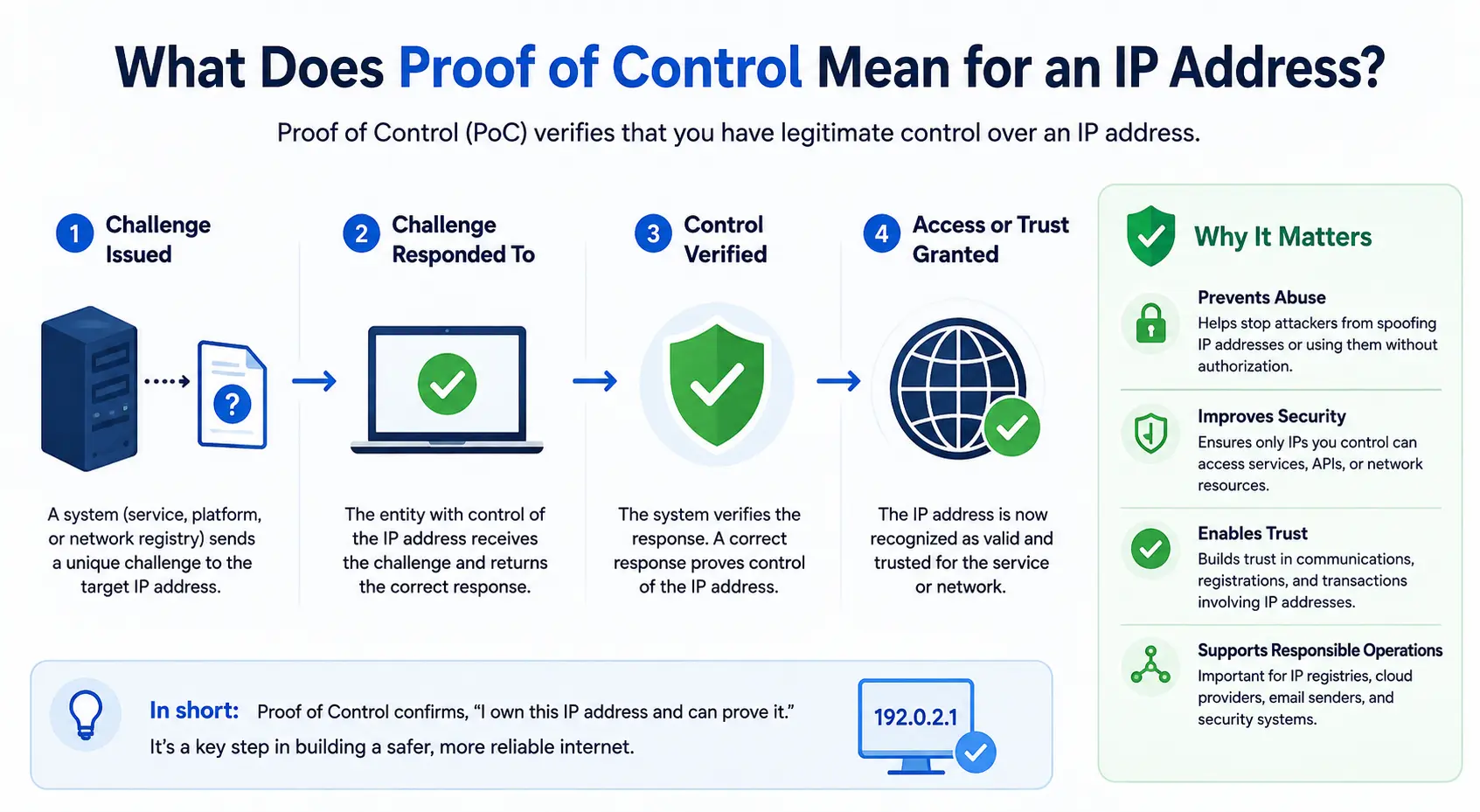
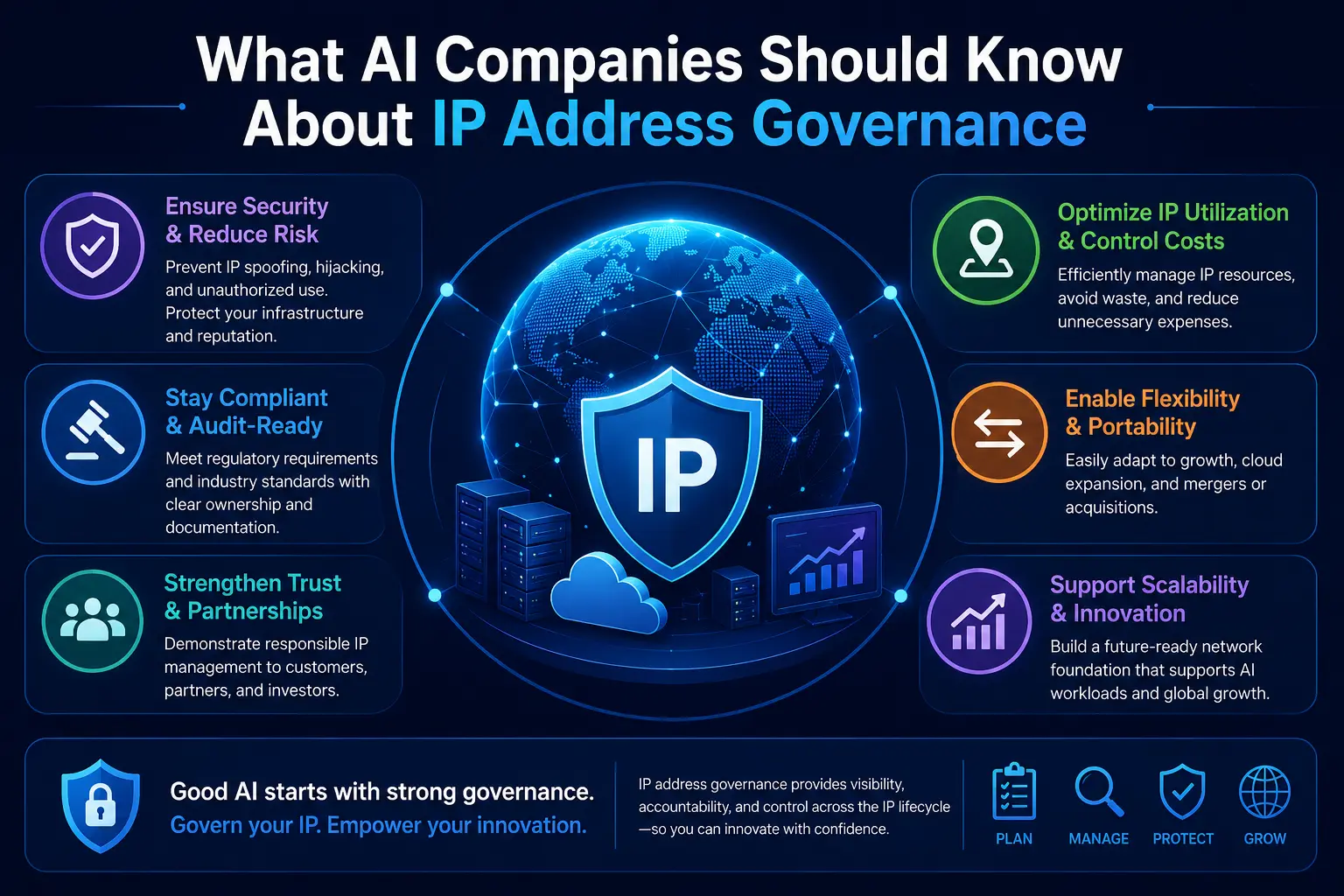
Most of us use the Internet every day without thinking about what makes it work. One of the invisible foundations of the Internet is the system of IP addresses – the unique numbers that every computer and smartphone needs to connect online. You can think of IP addresses like the street addresses or phone numbers of the Internet. They are a limited resource and absolutely essential: without an IP address, a device simply cannot go online. Yet, despite their importance, the way these addresses are managed and valued is little-known to the public and often misunderstood . These notes shine a light on this hidden but crucial aspect of the Internet in clear, everyday language.
Why Are These Notes Written?
The author of these notes, Lu Heng, has been deeply involved in how the Internet is run at a global level . As the CEO of an IP address solutions company and the founder of an Internet governance foundation, he has first-hand experience with the organizations and policies that oversee IP addresses . Over the years, Lu Heng has encountered real-world disputes and issues in the management of Internet resources, across all five of the world’s regional Internet registries (the bodies that allocate IP addresses) . Through these experiences, he realized that the Internet’s most critical assets – like IP addresses – are widely misunderstood, even by people who depend on them . This misunderstanding isn’t just an academic problem; it has real consequences for our digital world . For example, the prevailing policies and old ways of thinking have kept IPv4 addresses (the main type of IP addresses in use) artificially undervalued and hard to trade, even though they underpin every online service from websites to cloud apps . At the same time, a few centralized organizations hold a lot of power over this system, with little accountability, which can create points of failure in Internet governance . In fact, there have been incidents like scam emails (phishing attempts) targeting address holders by pretending to be these authorities, exploiting people’s fear and confusion – a sign that the current system can be opaque and easily abused . Lu Heng started writing these notes to explain these problems in plain terms and to suggest a better path forward.
What Key Ideas Will You Find Here?
In simple language, the notes break down several big ideas about how to improve the Internet’s core systems so they serve everyone more fairly and efficiently. Some of the key themes include:
• Recognizing the True Value of IP Addresses: Today, IP addresses are treated almost like trivial technical bits, but in reality they are valuable assets that make every online service possible. The notes explain why an IP address isn’t just “a number,” but a scarce resource that could even be worth trillions of dollars in total if valued like a property or commodity . This is important because undervaluing IP addresses can hold back investment in network infrastructure and cloud services that we all rely on.
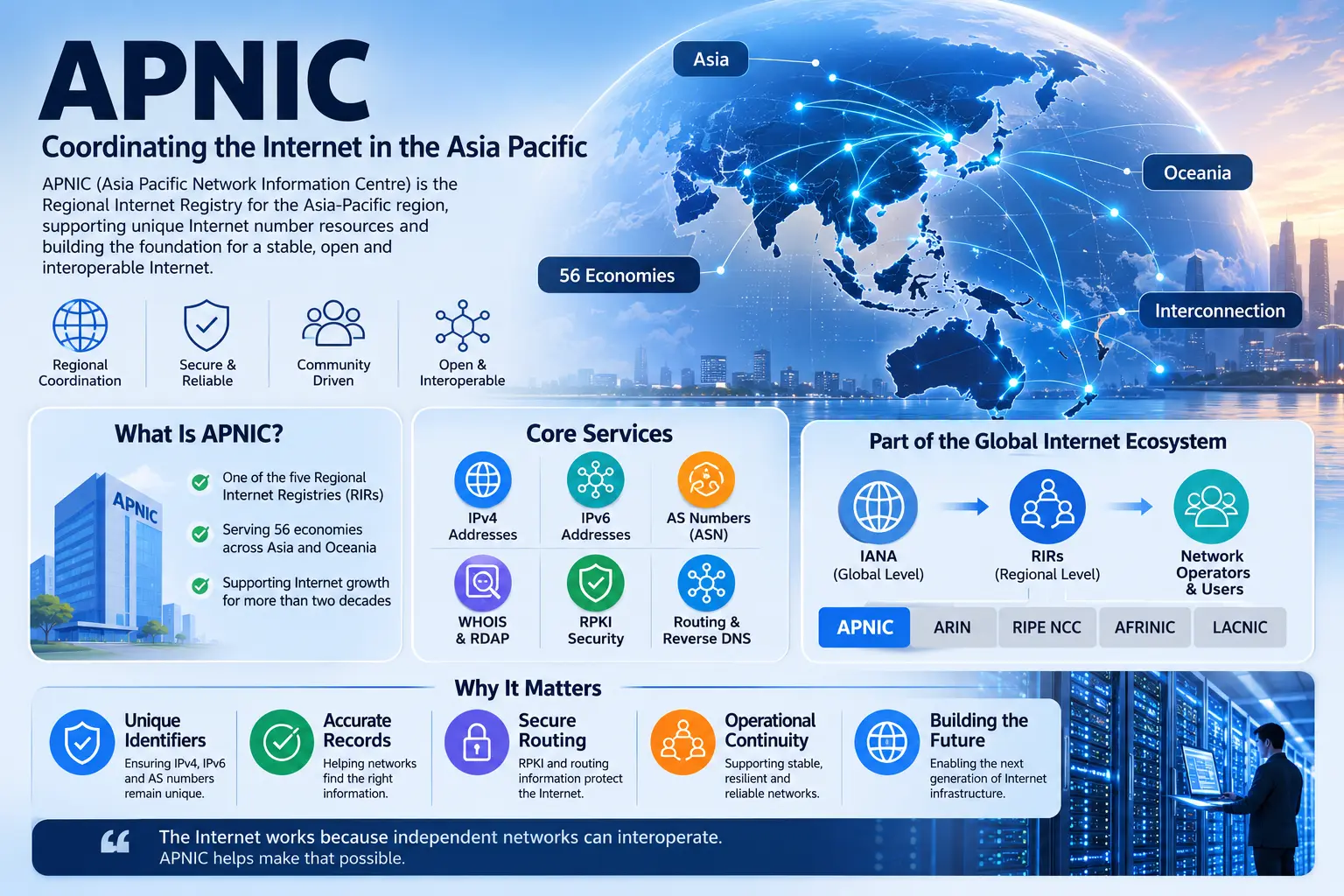
• How the Internet’s Address System is Managed: Right now, a handful of nonprofit agencies around the world (called Regional Internet Registries) oversee who gets IP addresses and how. The notes describe how this old governance model works and why it’s starting to show cracks. For instance, when too much control is centralized in a single organization, problems there – whether financial troubles, lawsuits, or mismanagement – can threaten Internet connectivity in entire regions . The author provides insider insights into incidents where this nearly happened, illustrating the risks of an overly centralized system.
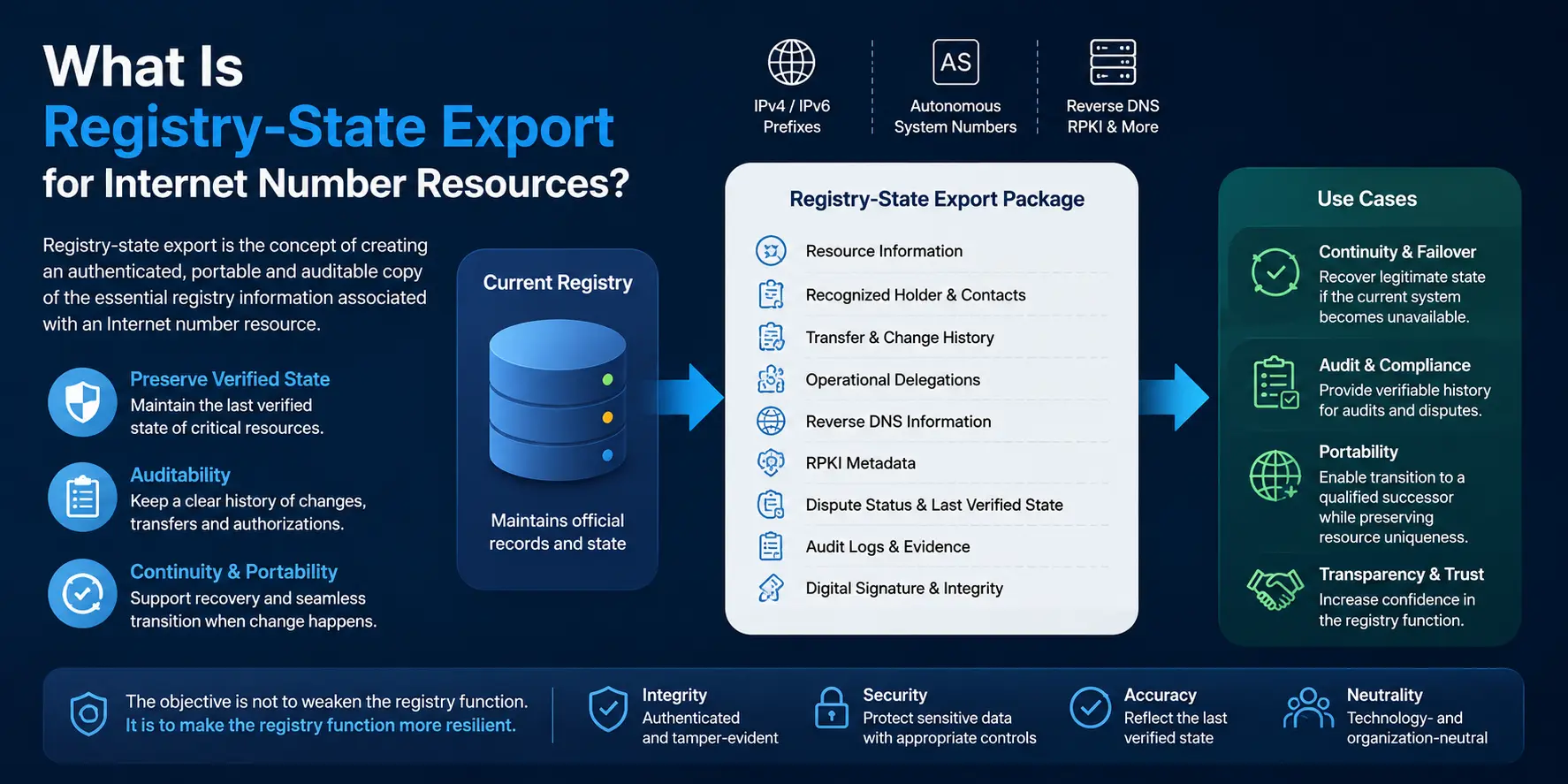
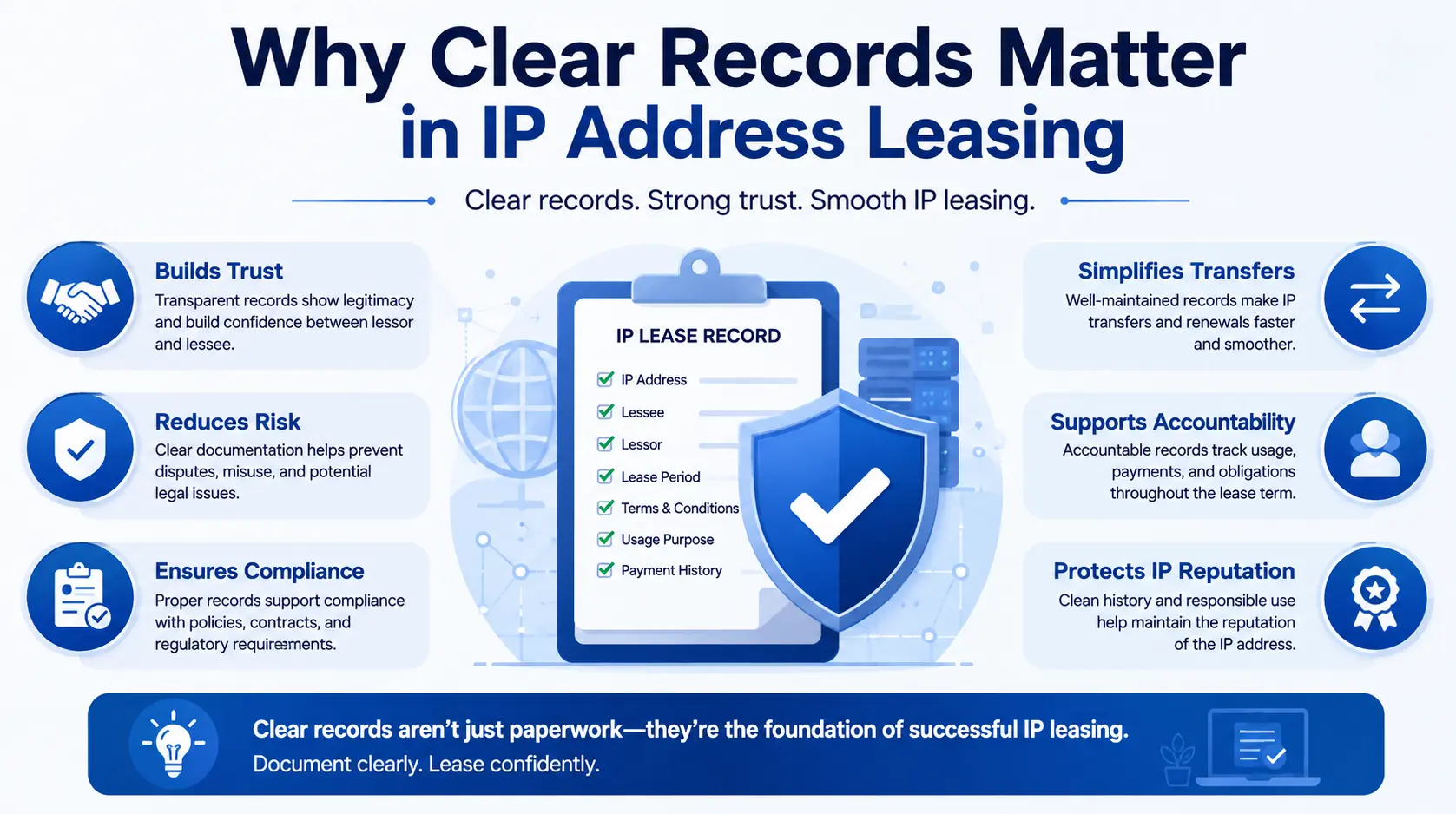
• Making the System Fairer and More Open: A core purpose of these notes is to propose solutions. Lu Heng advocates for changes that would make the management of IP addresses more fair, transparent, and resilient. This includes ideas like giving individuals and companies true ownership rights over the IP addresses they use (rather than the current system where addresses are often just rented under strict terms) . With real ownership, those who need addresses could buy and sell them more freely, which would encourage a healthier market and better allocation of resources. Another idea is mandatory portability – allowing users to move their IP addresses between service providers without hassle , much like keeping your phone number when you change carriers. The notes also suggest slimming down fees charged by registries to only what’s truly necessary , and eventually decentralizing the IP address database itself so that no single organization can hold the Internet’s connectivity hostage. All these reforms aim to prevent bottlenecks and make the Internet’s foundation more robust for everyone.
• Accountability and Trust: Throughout the writings, there is an emphasis on accountability – ensuring that the bodies in charge of Internet resources play by clear rules and serve the wider public interest, not just their own norms. By increasing transparency and spreading out control, the goal is to build trust in how the Internet is governed. When people and businesses can trust the system (for example, knowing that no one can suddenly revoke their addresses without due cause, or raise fees arbitrarily), they are more likely to invest in and innovate on the Internet. Ultimately, these changes could expand access to connectivity and spur growth, benefiting ordinary users with a more reliable and inclusive Internet .
Why Should You Care?
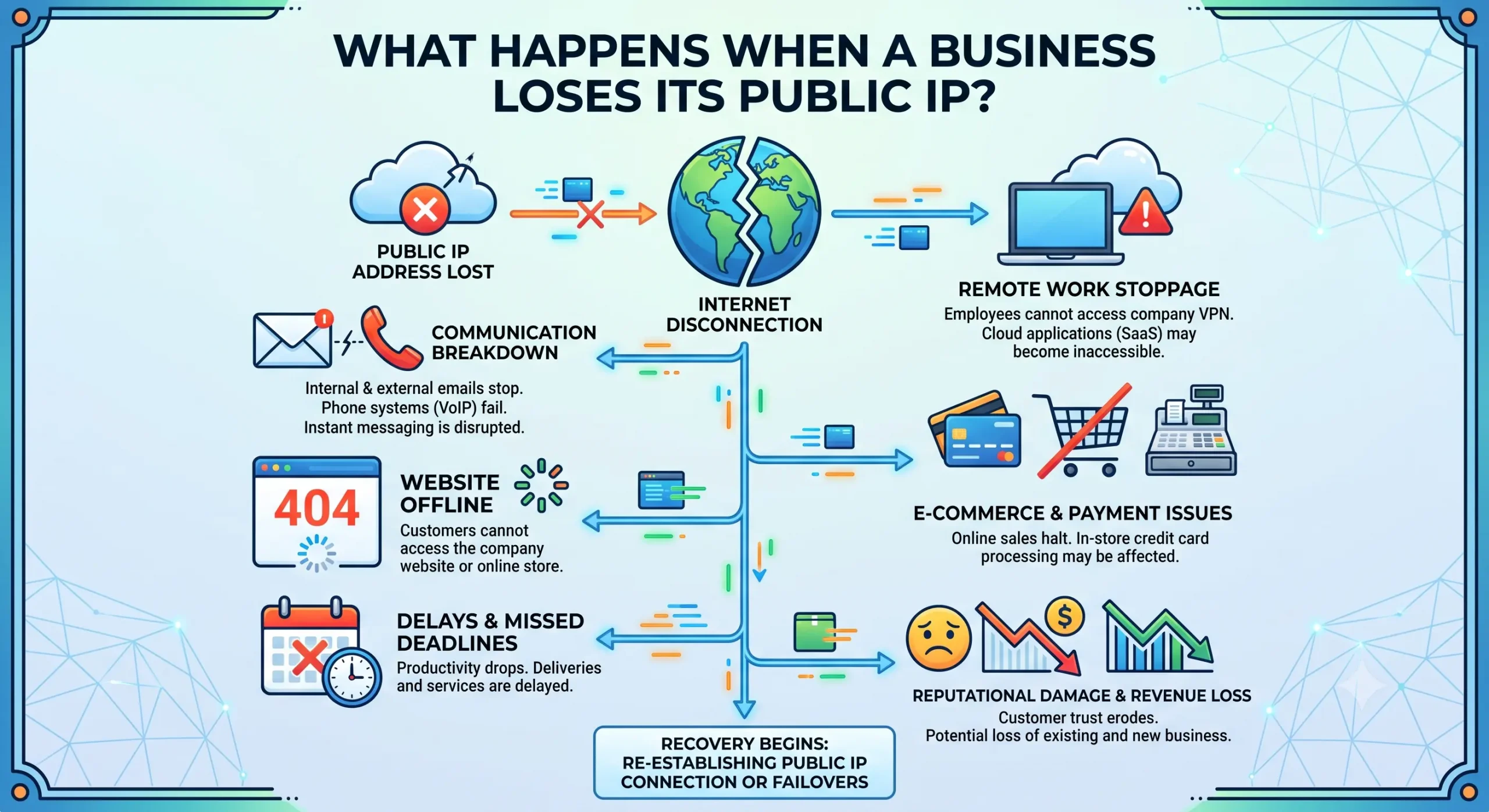
You might be thinking, “This sounds very technical – why does it matter to me?” The truth is that these behind-the-scenes issues affect everyone who uses the Internet. If the system that allocates IP addresses is unfair or unstable, it can impact the cost, quality, and expansion of Internet services. For example, if businesses cannot get the addresses they need or are unsure of the rules, that might slow down the launch of new websites or online applications, or raise costs for users. Conversely, if we improve the system, it could lead to faster growth of networks, more innovation, and possibly lower costs or better access as companies find it easier to expand connectivity. Lu Heng’s notes are written not just for engineers and policy experts, but also for business leaders, policymakers, and everyday Internet users who don’t usually think about these issues . The writing avoids heavy jargon and instead uses clear examples and explanations so that anyone can follow the arguments. By reading these notes, you’ll gain insight into the Internet’s plumbing – insight that’s increasingly important now that the Internet touches almost every aspect of our lives.
Finally, be prepared for some thought-provoking viewpoints. The author isn’t afraid to challenge the status quo in Internet governance. Some of the ideas here may even feel uncomfortable or surprising at first – and that’s on purpose . These notes are meant to spark discussion and reflection. They invite all of us, technical or not, to re-imagine how the Internet is run so that it remains open, secure, and equitable for future generations. In short, this collection of notes is a guided tour of an unseen but vital world, told in a way that everyone can understand and care about. Welcome, and enjoy your exploration of the Internet’s hidden backbone!