Why enterprises should audit IP risk scores before any transaction
Why enterprises should audit IP risk scores before any transaction Cyber fraud continues to increase. Enterprises need to examine IP […]
Read More
Why enterprises should audit IP risk scores before any transaction Cyber fraud continues to increase. Enterprises need to examine IP […]
Read More
How IP Address Ownership Defines Digital Power Control over IP address allocation remains a key axis of influence in the digital ecosystem. It determines Internet access, affects commercial activity, and shapes network architecture. Holding large IP allocations still offers specific operational, strategic, and economic advantages across the Internet infrastructure sector. IP address allocation remains uneven, and legacy patterns persist. Together, these factors leave digital power highly concentrated in the hands of early-moving companies and regions. The Architecture of IP Address Ownership […]
Read More
Why Global Connectivity the Foundation of the Digital Economy Global connectivity is the backbone of the digital economy. Businesses use […]
Read More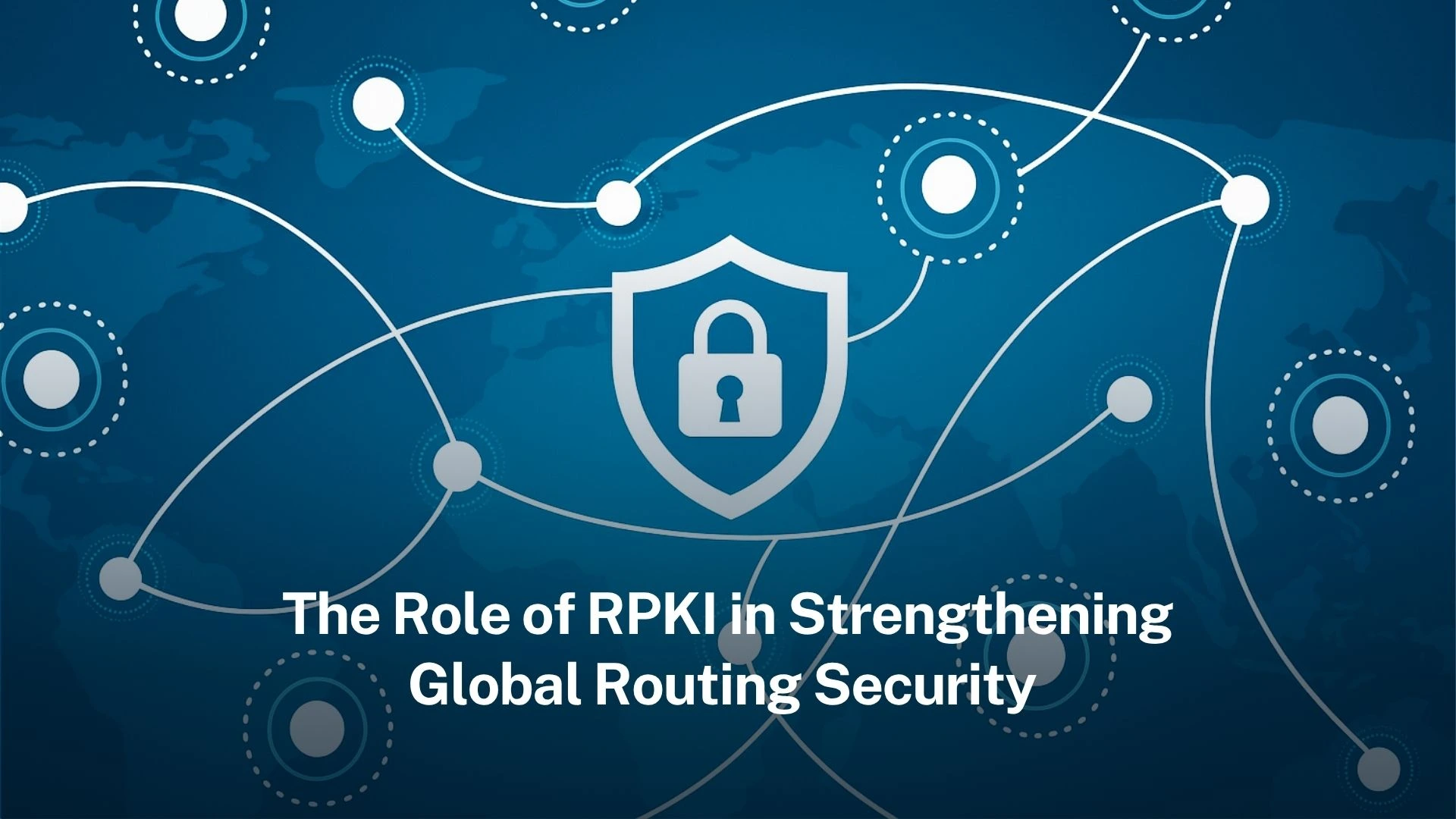
What is RPKI and why it matters Traffic across networks on the internet is routed according to BGP (Border Gateway […]
Read More
Infrastructure and digital divide challenges Internet governance is the development and application of shared principles, norms, rules, decision-making procedures, and […]
Read More
Why Network Operators Need Route Origin Authorization The internet moves because networks share routes. Each network tells others which paths […]
Read More
RPKI vs BGP security The internet works because networks trust each other. BGP has weaknesses that can cause problems. RPKI […]
Read More
RPKI Deployment Guide The Internet works because networks exchange information about data-delivery paths. Each network tells other networks which address ranges it can reach, allowing packets to travel from one place to another. For years, this exchange relied entirely on trust: one network claimed control of a block of addresses, and the others believed it. At first, this was sufficient because the Internet was smaller and errors were rare. As the Internet grew, blind trust became a weakness. A typing error could affect large numbers of users, while a false announcement could redirect traffic worldwide. Attackers began exploiting this weakness by hijacking routes to intercept data, block access, or cause disruption. The absence of verification made the entire system vulnerable. Resource Public Key Infrastructure (RPKI) was created to address this problem. It links IP addresses to digital proofs, enabling networks to verify an announcement before accepting it. Deploying RPKI improves routing security and demonstrates that an operator values network stability Why Routing Without RPKI Is Vulnerable Internet routing relies on the Border Gateway Protocol (BGP). Each network announces the addresses it can reach. These announcements spread quickly, and other networks use them to build their routing tables. The problem is […]
Read More
How Resource Public Key Infrastructure Work Resource Public Key Infrastructure (RPKI) improves BGP routing security by checking that route announcements […]
Read More
What is RPKI Every online activity depends on routing. Messages, videos, and websites must move from one point to another […]
Read More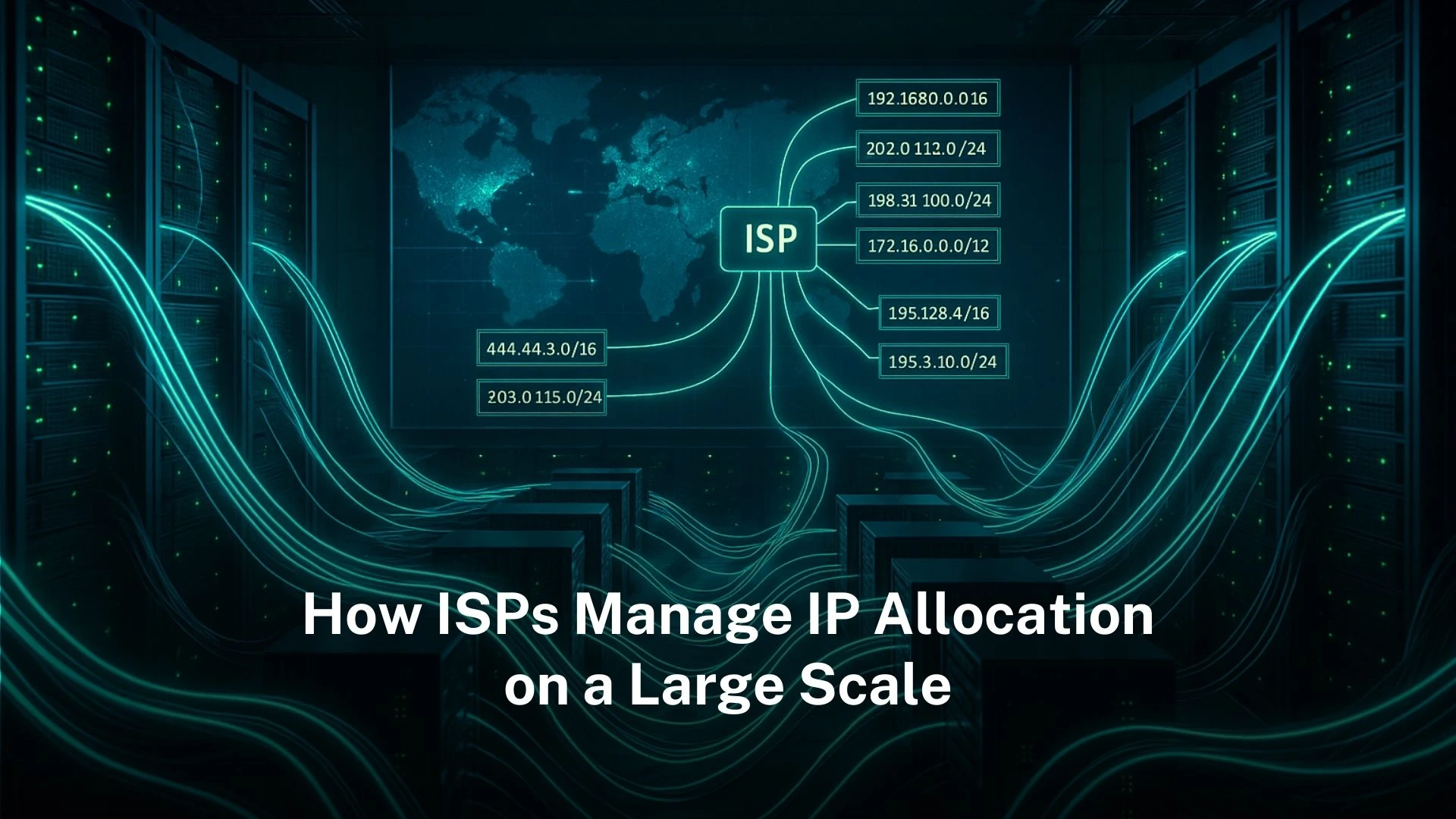
How ISPs Manage IP Allocation at Large Scale ISPs use hierarchical IP address distribution from registries like IANA and RIRs […]
Read More
Top Challenges IP Brokers Face in the IPv4 Market ISPs use hierarchical IP address distribution from registries like IANA and […]
Read More